Werner Burton upon Trent investment: manufacturing and safety takeaways for engineers
Reviewed by Tom Sullivan
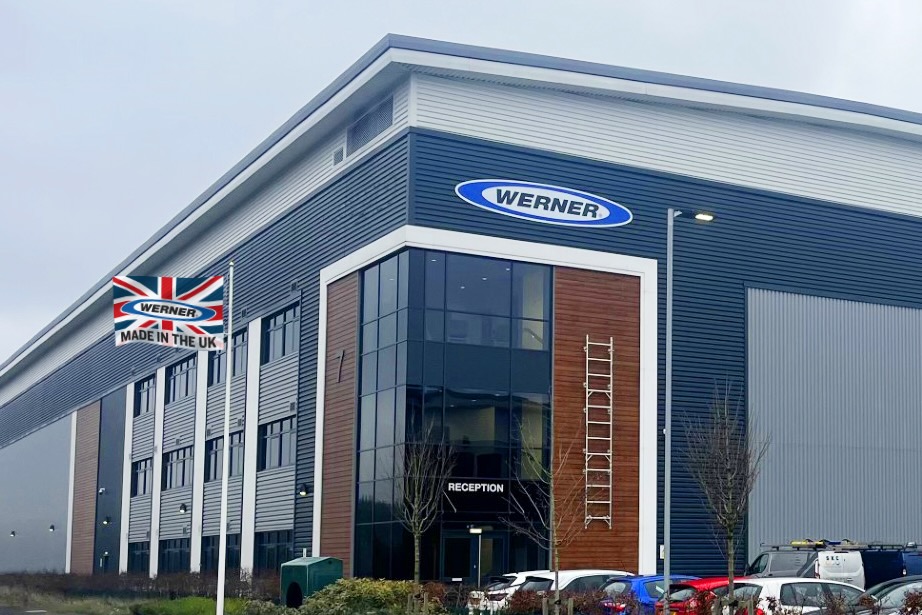
First reported on The Construction Index
30 Second Briefing
Werner has opened a new Centre of Excellence in Burton upon Trent, consolidating UK extension ladder manufacturing and making the site the country’s highest-volume ladder production facility. New manufacturing and operational roles will support extra production lines at Burton, while several existing lines are being transferred from Werner’s Maldon, Essex plant to expand capacity and centralise operations. The lean-manufacturing-based site is intended as a key UK hub, shortening supply chains and improving quality control and delivery responsiveness for height safety products.
Technical Brief
- Facility operates under a lean manufacturing regime, implying just-in-time material flows and reduced in-process inventory.
- Consolidation of Maldon production lines into Burton reduces inter-site transport legs and associated handling damage risk.
- Localised UK production shortens replenishment lead times for contractors needing rapid replacement of damaged access equipment.
- Concentration of extension ladder fabrication enables tighter process control over rung-to-stile joints and locking mechanisms.
- Burton investment is framed as part of a longer-term UK manufacturing growth strategy rather than a short-term capacity uplift.
- For other OEMs, the model illustrates how centralised, lean plants can de-risk long ladder supply chains.
Our Take
Locating activity in both Burton upon Trent and Werner’s Maldon factory in Essex suggests a two-node UK footprint, which can shorten lead times for contractors on large rail, civils and utilities projects that increasingly demand just‑in‑time delivery of access and safety products.
Prepared by collating external sources, AI-assisted tools, and Geomechanics.io’s proprietary mining database, then reviewed for technical accuracy & edited by our geotechnical team.


