Wednesbury–Dudley Metro extension delay: safety-critical issue explained for engineers
Reviewed by Joe Ashwell
First reported on New Civil Engineer
30 Second Briefing
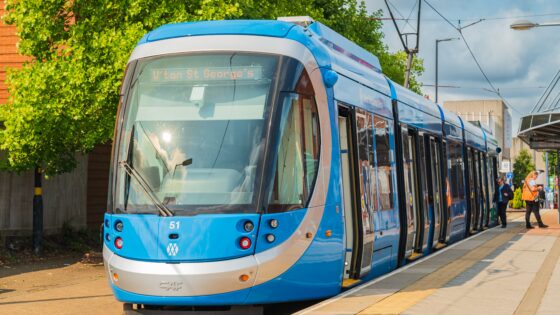
Passenger services on the Wednesbury–Dudley Metro extension in the West Midlands have been pushed back to early 2027 after engineers identified a “safety-critical issue” during final testing and commissioning. The new line, part of the Midland Metro network and designed to run modern low-floor trams on segregated track, now requires additional validation of systems integration, including signalling and power supply interfaces. Contractors and the transport authority must re-sequence dynamic testing and approvals, with potential implications for handover dates, operational readiness, and cost risk allocation.
Technical Brief
- For similar UK light rail schemes, the case reinforces the need for earlier whole‑system integration rehearsals and fault‑mode testing.
Our Take
A passenger service start now pushed into early 2027 effectively shifts risk from construction into the early operations window, which typically forces operators and local authorities in regions like the West Midlands to revisit whole-life cost assumptions and contingency in their business cases.
New Civil Engineer’s recent webinar coverage on the ‘data handover gap’ at project close-out suggests that any late-arising safety-critical findings on this Metro extension may expose weaknesses in digital assurance and commissioning data flows, rather than purely in physical construction quality.
Prepared by collating external sources, AI-assisted tools, and Geomechanics.io’s proprietary mining database, then reviewed for technical accuracy & edited by our geotechnical team.


