VIC Gov invests $352m to fix potholes: pavement and resealing lens for engineers
Reviewed by Tom Sullivan
First reported on Roads & Infrastructure (AU)
30 Second Briefing
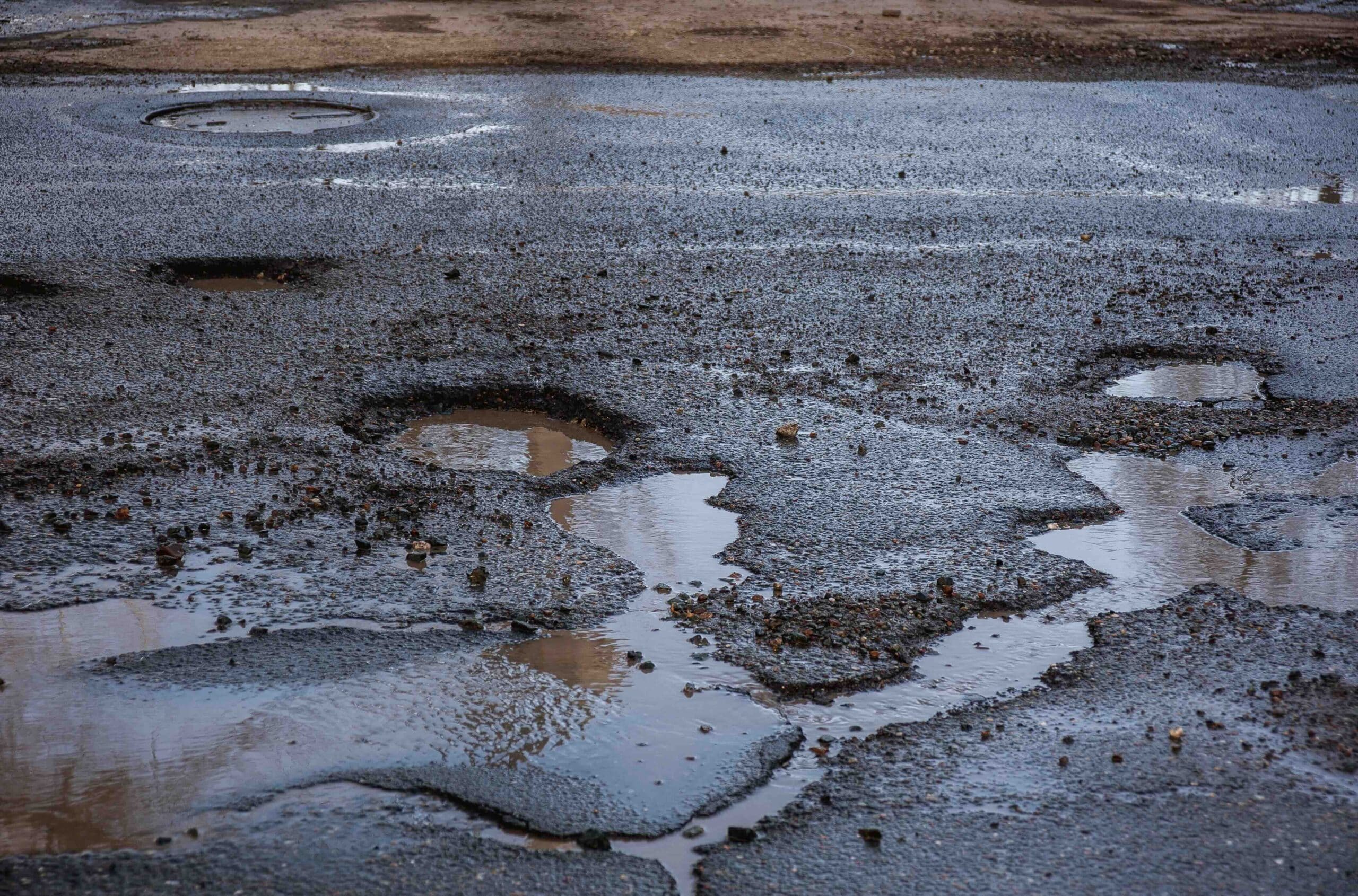
Victoria is injecting an extra $352 million into road maintenance to double the number of potholes repaired across the state’s sealed network through late 2026 and January, with works focused on key arterials such as the Geelong Ring Road, Western Highway, Calder Highway and Princes Highway. The program will prioritise resealing and heavy patching on high‑volume freight and commuter corridors, where AfPA guidance suggests at least 7 per cent of sealed roads should be resealed annually to maintain pavement condition.
Technical Brief
- Focus on sealed network defects means structural pothole repairs, not just surface patching, to restore bearing capacity.
- Concentration on key arterials targets high-speed environments where potholes drive loss‑of‑control crash risk.
- Freight corridors benefit from reduced dynamic wheel loads, limiting fatigue cracking and rutting around previous patches.
- Increased resealing frequency improves skid resistance, directly affecting wet‑weather stopping distances and run‑off‑road incidents.
- Program scale will require tighter traffic management planning to control work‑zone speeds and taper lengths.
- Asset managers gain a larger intervention dataset, improving deterioration modelling and safety‑risk based maintenance prioritisation.
Our Take
The stated 7 per cent annual reseal minimum aligns with what asset managers in other Australian states quote as the threshold to avoid exponential growth in pavement rehab costs, so this funding window to the end of 2026 is likely aimed at pulling Victoria back towards that preventative-maintenance band rather than pure reactive patching.
Across the 936 Infrastructure stories in our database, relatively few focus on existing arterial corridors like the Geelong Ring Road and Western, Calder and Princes Highways, signalling that this package is more about shoring up the current freight and commuter backbone than adding new capacity.
Commentary in Roads & Infrastructure Magazine’s recent “Roads Review: Looking Forward” piece suggests industry capacity constraints, which means delivering a large resurfacing program by early 2027 may require careful staging and night‑shift work on these Victorian corridors to avoid both labour bottlenecks and safety risks in live traffic environments.
Prepared by collating external sources, AI-assisted tools, and Geomechanics.io’s proprietary mining database, then reviewed for technical accuracy & edited by our geotechnical team.
Related Articles


Related Industries & Products
Mining
Geotechnical software solutions for mining operations including CMRR analysis, hydrogeological testing, and data management.
Construction
Quality control software for construction companies with material testing, batch tracking, and compliance management.
CMRR-io
Streamline coal mine roof stability assessments with our cloud-based CMRR software featuring automated calculations, multi-scenario analysis, and collaborative workflows.
HYDROGEO-io
Comprehensive hydrogeological testing platform for managing, analysing, and reporting on packer tests, lugeon values, and hydraulic conductivity assessments.
GEODB-io
Centralised geotechnical data management solution for storing, accessing, and analysing all your site investigation and material testing data.