Geomechanics.io

  • Free Tools
Sign UpLog In

Geomechanics.io

Geomechanics, Streamlined.

© 2026 Geomechanics.io. All rights reserved.

Geomechanics.io

CMRR-ioGEODB-ioHYDROGEO-ioQCDB-ioFree Tools & CalculatorsBlogLatest Industry News

Industries

MiningConstructionTunnelling

Company

Terms of UsePrivacy PolicyLinkedIn
    Standard/Guideline
    Sustainability
    Projects

    UK–US AI fusion agreements: design and modelling takeaways for engineers

    September 15, 2026|

    Reviewed by Tom Sullivan

    UK–US AI fusion agreements: design and modelling takeaways for engineers

    First reported on New Civil Engineer

    30 Second Briefing

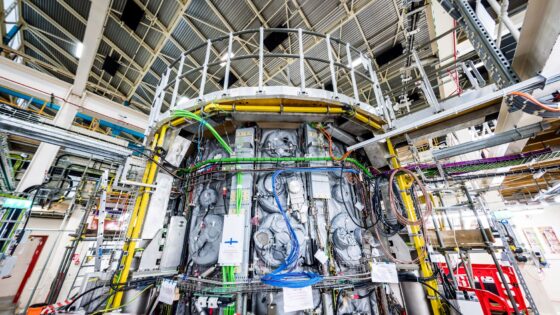
    UK and US governments are signing two agreements to accelerate commercial nuclear fusion development by combining national expertise in artificial intelligence and high‑performance computing. The pacts are expected to support faster optimisation of plasma confinement and reactor control algorithms, and to improve simulation of tokamak and stellarator designs that currently demand exascale‑class computing. For civil and nuclear engineers, this signals future design programmes where structural, thermal and neutronic load cases for fusion plants are iterated rapidly using shared AI‑driven modelling frameworks.

    Technical Brief

    • Regulatory engagement is baked in, with outputs intended to inform future fusion plant licensing pathways in both jurisdictions.

    Our Take

    For practitioners in the United Kingdom and United States, AI-focused fusion agreements signal that future project standards and guidelines may start to treat high-fidelity simulation, optimisation and digital twins as baseline requirements rather than optional tools.

    New Civil Engineer’s recent webinar on BIM, CDEs and the ‘data handover gap’ suggests that if AI is embedded into fusion projects early, UK and US regulators will likely push for more robust data governance frameworks spanning design, construction and long-term operations.

    Geotechnical Software for Modern Teams

    Centralise site data, logs, and lab results with GEODB-io, CMRR-io, and HYDROGEO-io.

    No credit card required.

    • Save and export unlimited calculations
    • Advanced data visualisation
    • Generate professional PDF reports
    • Cloud storage for all your projects

    Prepared by collating external sources, AI-assisted tools, and Geomechanics.io’s proprietary mining database, then reviewed for technical accuracy & edited by our geotechnical team.

    Related Articles
    Junior explorer CGT protection push: funding and project risk lens for engineers
    Policy
    about 15 hours ago

    Junior explorer CGT protection push: funding and project risk lens for engineers

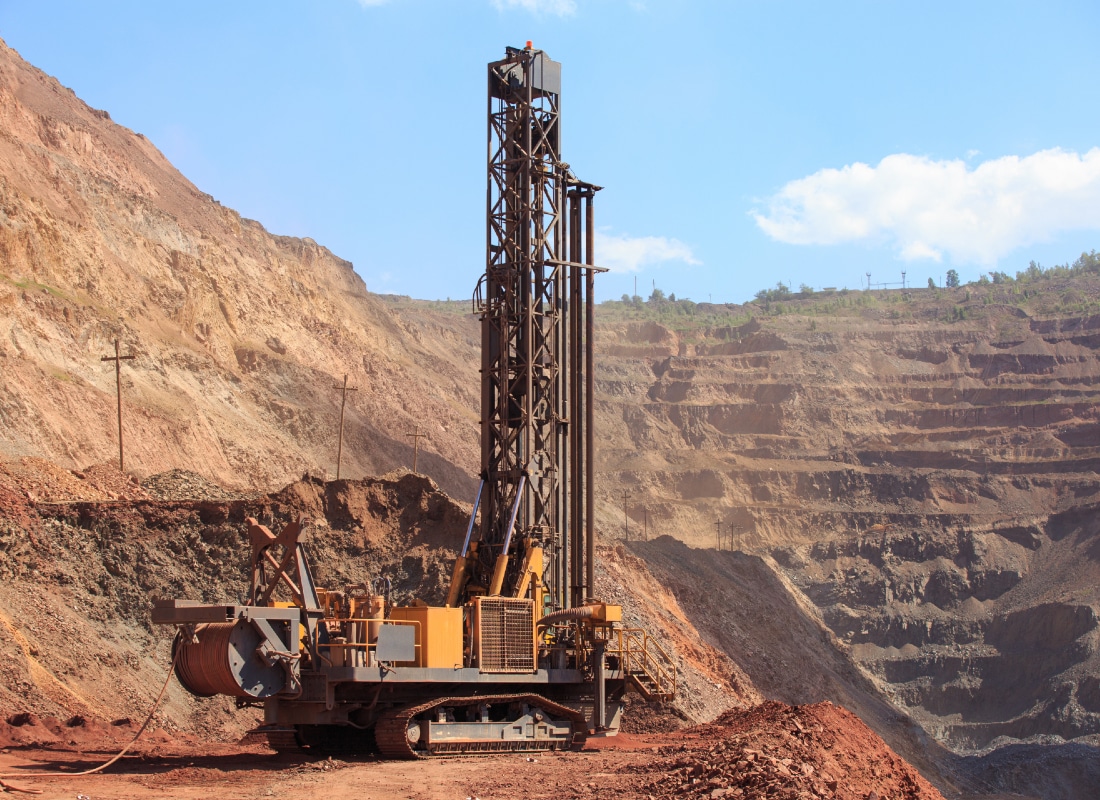
    Australian mining bodies are urging the Federal Government to extend capital gains tax (CGT) concessions to junior mineral explorers, matching relief already available to tech and other start-up sectors. The Minerals Council of Australia and the Association of Mining and Exploration Companies warn proposed CGT changes could deter high-risk greenfields exploration, particularly for early-stage ASX-listed juniors reliant on equity raisings. Industry groups argue that without tailored CGT treatment, pre-discovery investors may exit earlier and reduce funding for drilling campaigns and resource definition.

    Swiss gold ban and Sudan sanctions: compliance notes for project teams
    Policy
    4 days ago

    Swiss gold ban and Sudan sanctions: compliance notes for project teams

    Switzerland has banned the purchase, import and transit of Sudanese gold and restricted mining supplies such as mercury and cyanide, aligning its sanctions with European Union measures adopted on 13 July to cut funding to Sudan’s three-year conflict between the SAF and RSF. The Swiss rules also block related technical, brokering and financial services, and will be folded into its existing Ordinance on measures against Sudan, which already enforces a UN arms embargo and financial and travel bans on 36 listed individuals and entities. For refiners, traders and chemical suppliers, this tightens due-diligence and effectively closes a key European route for Sudan-linked gold flows.

    TfL environment plan: carbon and resilience design shifts for engineers
    Policy
    4 days ago

    TfL environment plan: carbon and resilience design shifts for engineers

    Transport for London has released an updated Corporate Environment Plan detailing more than 70 actions to cut operational and embodied carbon and improve network resilience to extreme weather across the Underground, bus and road systems. Measures include accelerating fleet electrification, retrofitting stations and depots for energy efficiency, and upgrading drainage and track assets to cope with more intense rainfall and heat events. Civil and geotechnical engineers can expect tighter carbon requirements in design, materials selection and asset renewal, alongside higher design thresholds for flooding, overheating and slope stability.

    Related Industries & Products

    Construction

    Quality control software for construction companies with material testing, batch tracking, and compliance management.

    Mining

    Geotechnical software solutions for mining operations including CMRR analysis, hydrogeological testing, and data management.

    QCDB-io

    Comprehensive quality control database for manufacturing, tunnelling, and civil construction with UCS testing, PSD analysis, and grout mix design management.

    AllGeotechnicalInfrastructureHazardsEnvironmental