UK tree planting shortfall: flood and carbon removal risks for infrastructure teams
Reviewed by Tom Sullivan
First reported on New Civil Engineer
30 Second Briefing
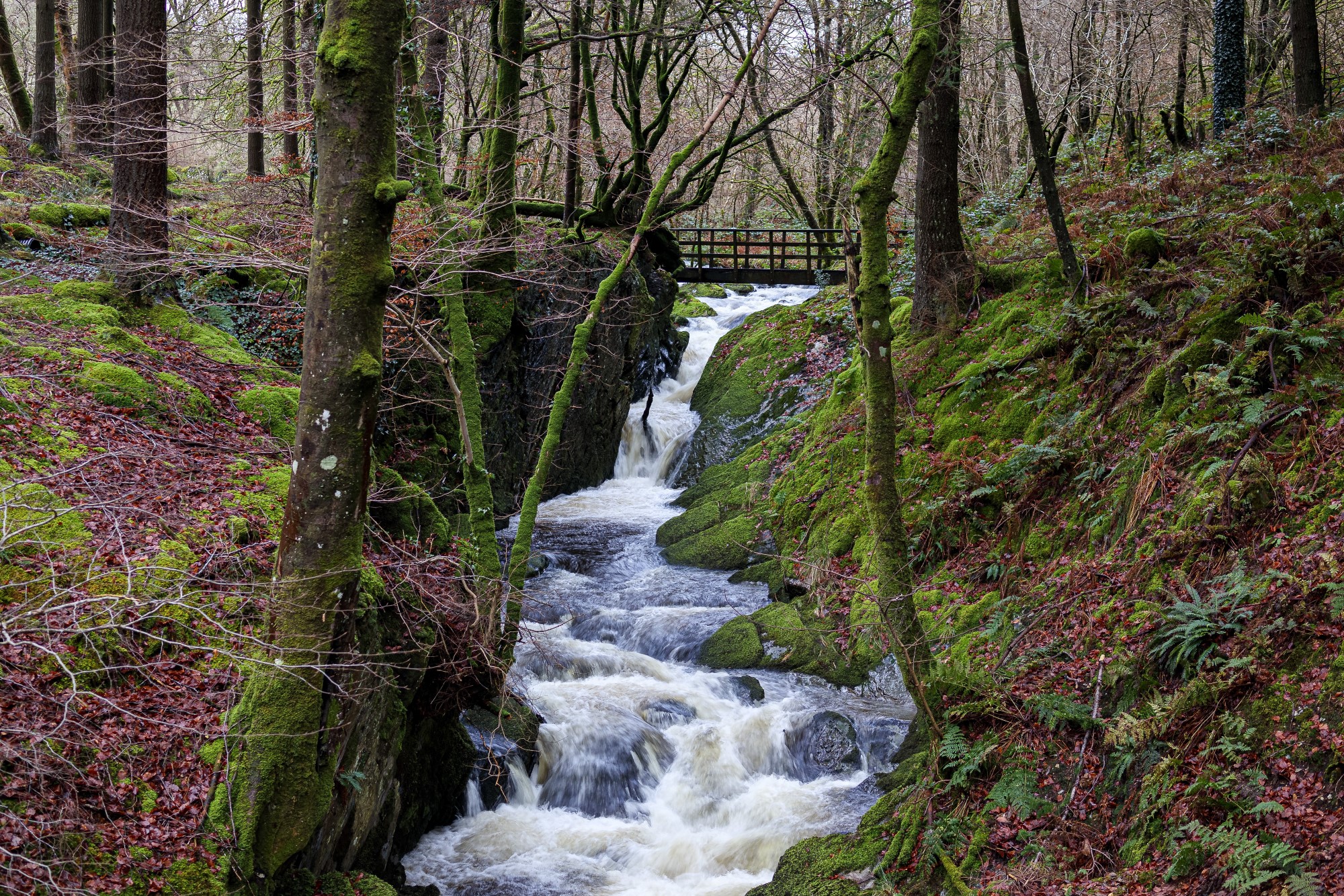
UK tree‑planting rates are falling far short of the UK’s statutory 2050 net‑zero pathway, with the Energy and Climate Intelligence Unit warning that missed planting during this Parliament could create a long‑term “carbon removal gap” and weaker natural flood defences. The analysis points to delayed woodland creation in upland catchments and along floodplains, where riparian planting and shelterbelts could slow overland flow, stabilise soils and reduce peak river levels. For infrastructure planners, this signals greater reliance on hard‑engineered flood schemes and more expensive carbon removal options later in the century.
Technical Brief
- Warning centres on a quantified “carbon removal gap”, implying shortfall against statutory 2050 pathways.
- Missed woodland creation is treated as a locked‑in deficit, given multi‑decadal forest growth timescales.
- Flood protection loss is framed as foregone natural capital, not just delayed environmental co‑benefits.
- Upland and riparian planting are implicitly treated as catchment‑scale hydraulic roughness interventions.
- For flood scheme appraisals, findings imply revisiting benefit–cost assumptions for nature‑based measures.
- Infrastructure planners may need to model higher residual flood risk where woodland schemes are not delivered.
- Carbon accounting for major projects could face tighter engineered removal requirements if the gap persists.
Our Take
Within our largely project-focused Sustainability coverage, the United Kingdom appears more often in stories on retrofit and coastal defence than on nature-based solutions, so ECIU’s warning points to a relative policy and investment gap on tree- and catchment-based resilience measures by 2050.
For UK infrastructure planners reading New Civil Engineer, a carbon removal and flood-resilience shortfall by 2050 implies that more engineered flood schemes and hard defences may be required later, with higher lifecycle costs, if tree planting and catchment restoration are not scaled in the near term.
Because only a handful of Environmental stories in our database centre on national-level planning rather than single assets, this ECIU analysis is likely to feed directly into how regional authorities and utilities justify long-term green infrastructure lines in their capital programmes to 2050.
Prepared by collating external sources, AI-assisted tools, and Geomechanics.io’s proprietary mining database, then reviewed for technical accuracy & edited by our geotechnical team.
Related Articles



Related Industries & Products
Construction
Quality control software for construction companies with material testing, batch tracking, and compliance management.
Mining
Geotechnical software solutions for mining operations including CMRR analysis, hydrogeological testing, and data management.
CMRR-io
Streamline coal mine roof stability assessments with our cloud-based CMRR software featuring automated calculations, multi-scenario analysis, and collaborative workflows.
HYDROGEO-io
Comprehensive hydrogeological testing platform for managing, analysing, and reporting on packer tests, lugeon values, and hydraulic conductivity assessments.
GEODB-io
Centralised geotechnical data management solution for storing, accessing, and analysing all your site investigation and material testing data.