Transpennine route bridge replacement: design and possession lessons for engineers
Reviewed by Joe Ashwell
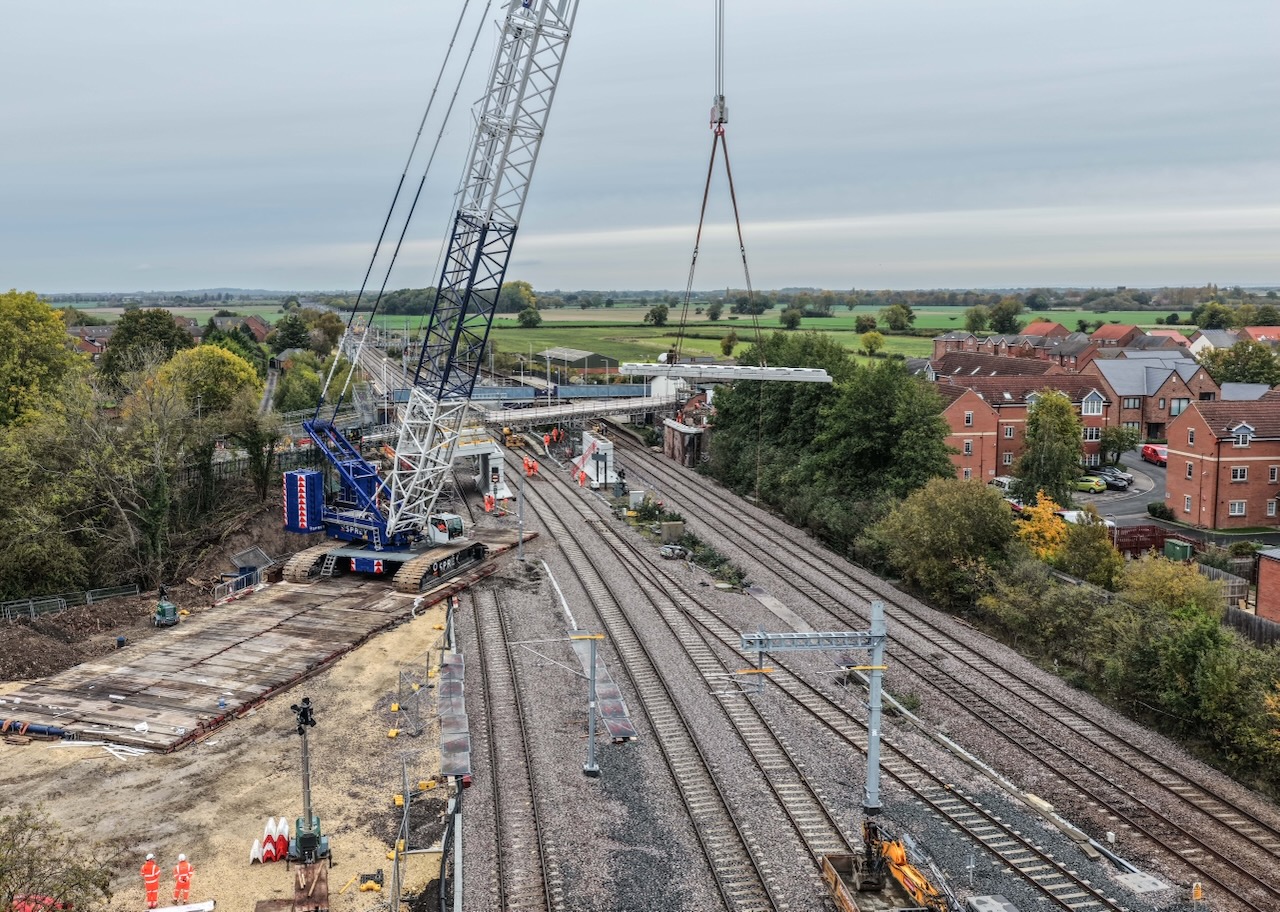
First reported on The Construction Index
30 Second Briefing
The Transpennine Route Upgrade East Alliance has completed a nine-day blockade to replace a rail bridge and install overhead line equipment on the Leeds–York section of the Transpennine route. Network Rail, VolkerRail, Murphy, Siemens and Systra coordinated the bridge swap-out and wiring works under continuous possession to avoid multiple shorter closures. The intervention prepares the corridor for future electrification and higher-capacity services, with immediate implications for track alignment, structural clearances and OLE support foundations on this key east–west artery.
Technical Brief
- Alliance partners coordinated rail, civils and OLE works under a single integrated construction programme.
- Single extended blockade reduces cumulative disruption compared with multiple weekend closures on this intensively used corridor.
- Delivery model reflects UK alliancing practice on complex rail upgrades, sharing risk across Network Rail and contractors.
Our Take
Network Rail appears repeatedly in our recent infrastructure coverage, from the £115M Manchester Airport station upgrade to rural track renewals near Snelland, signalling that the Transpennine bridge work sits within a wider push to remove reliability pinch points across the northern network.
The involvement of the Transpennine Route Upgrade East Alliance partners VolkerRail, Murphy, Siemens and Systra suggests that bridge replacement between Leeds and York is being tightly integrated with signalling and systems upgrades, reducing future possession needs compared with a stand‑alone civil intervention.
With 917 infrastructure stories and over 2,300 project-tagged pieces in our database, this Leeds–York asset renewal reinforces a pattern of Network Rail using alliance and framework-style delivery models for complex rail corridors rather than isolated contracts let on a lowest-price basis.
Prepared by collating external sources, AI-assisted tools, and Geomechanics.io’s proprietary mining database, then reviewed for technical accuracy & edited by our geotechnical team.


