Tiaro Bypass procurement: geotechnical and design takeaways for highway engineers
Reviewed by Joe Ashwell
First reported on Roads & Infrastructure (AU)
30 Second Briefing
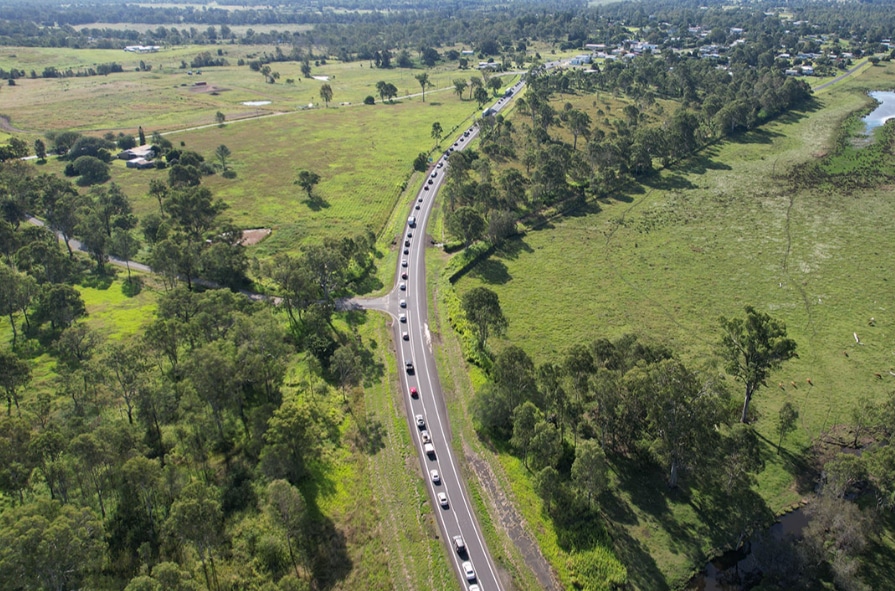
Procurement has begun for the main construction contract on Queensland’s Tiaro Bypass, an 8.5‑kilometre, four‑lane highway realignment east of Tiaro on the Bruce Highway north of Brisbane. The project will create a new divided carriageway section, removing through‑traffic from the existing town main street and improving continuity on this nationally significant freight and cyclone evacuation route. Geotechnical and civil design will need to address greenfield earthworks, floodplain behaviour and tie‑ins to existing Bruce Highway geometry and pavement structures.
Technical Brief
- Market engagement phase signals transition from planning and early works into full delivery procurement.
- Contract packaging is expected to bundle bulk earthworks, structures and pavement into a single D&C-style package.
- Tenderers will need demonstrated experience on highway upgrade contracts under relevant specifications.
- Early contractor involvement is likely to focus on optimising haul distances, borrow sources and floodplain embankment staging.
- Interface management with existing highway traffic will be a key evaluation criterion in bid methodologies.
- Procurement timing positions award to align with typical funding cycles for major transport infrastructure.
- Similar bypass contracts have used performance-based pavement warranties, which may be replicated here.
Our Take
Within our 916 Infrastructure stories, Queensland highway upgrades like the Tiaro Bypass tend to precede incremental safety and flood-resilience works on adjacent Bruce Highway sections, so this procurement phase is likely to trigger follow-on packages in the wider corridor.
For the Department of Transport and Main Roads, an 8.5 km four-lane bypass typically implies substantial geotechnical interface with existing local roads and services, which in our database often leads to early utility relocation and ground improvement contracts being let in parallel with main works.
Roads & Infrastructure Magazine’s recent emphasis on people and delivery culture in its “Roads Review: Looking Forward” coverage suggests this Tiaro Bypass contract award will be scrutinised not just for cost and schedule, but for how TMR structures workforce, training and local participation requirements in the procurement documents.
Prepared by collating external sources, AI-assisted tools, and Geomechanics.io’s proprietary mining database, then reviewed for technical accuracy & edited by our geotechnical team.


