Geomechanics.io

  • Free Tools
Sign UpLog In
Built byBoxcut Studio

Geomechanics.io

Geomechanics, Streamlined.

© 2026 Geomechanics.io. All rights reserved.

Geomechanics.io

CMRR-ioGEODB-ioHYDROGEO-ioQCDB-ioFree Tools & CalculatorsBlogLatest Industry News

Industries

MiningConstructionTunnelling

Company

Terms of UsePrivacy PolicyLinkedIn
    Product
    Contract Award

    Terex buys Keestrack: integration timeline and fleet impacts for plant engineers

    November 5, 2026|

    Reviewed by Tom Sullivan

    Terex buys Keestrack: integration timeline and fleet impacts for plant engineers

    First reported on The Construction Index

    30 Second Briefing

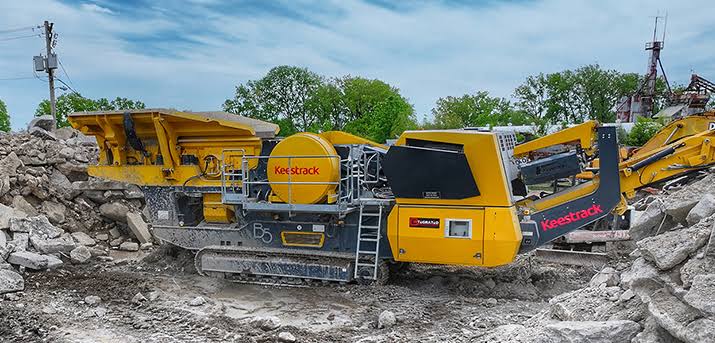
    Terex Corporation has agreed to acquire Belgian mobile crushing and screening specialist Keestrack, folding it into the Terex Materials Processing division while retaining Keestrack as an independent brand. Keestrack, founded in 1988 and supplying mobile crushers, screening units and processing plants in more than 65 countries through over 70 distributors, will keep its existing management structure, with Peter and Frederik Hoogendoorn remaining in leadership roles. Completion is targeted for Q4 2026, subject to regulatory approvals, with both firms trading separately until closing.

    Technical Brief

    • Acquisition explicitly targets aggregates, demolition and recycling equipment markets rather than general construction plant.
    • Keestrack’s mobile offering spans crushing plants, screening units and associated processing machinery for on-site materials handling.
    • Co‑founder Kees Hoogendoorn and Annet Hoogendoorn only committed for an initial post‑transaction transition phase.
    • Peter and Frederik Hoogendoorn will hold ongoing leadership roles within Terex’s Aggregates-focused organisational structure.
    • Pat Brian, Terex Vice President for Aggregates, positions Keestrack as complementary to existing Terex aggregates lines.
    • Keestrack executives emphasise access to Terex corporate resources while retaining operational autonomy at brand level.

    Our Take

    Keestrack’s reach into more than 65 customer countries and a 70‑plus distributor network gives Terex immediate aftermarket depth that contrasts with Volvo CE’s planned closure of the Rokbak articulated hauler line in Scotland, suggesting Terex is leaning into segments where scale and dealer density still support profitability.

    Geotechnical Software for Modern Teams

    Centralise site data, logs, and lab results with GEODB-io, CMRR-io, and HYDROGEO-io.

    No credit card required.

    • Save and export unlimited calculations
    • Advanced data visualisation
    • Generate professional PDF reports
    • Cloud storage for all your projects

    Prepared by collating external sources, AI-assisted tools, and Geomechanics.io’s proprietary mining database, then reviewed for technical accuracy & edited by our geotechnical team.

    Related Articles

    Heidelberg Materials Q3 growth: low‑carbon cement supply signals for designers
    Materials
    about 4 hours ago

    Heidelberg Materials Q3 growth: low‑carbon cement supply signals for designers

    Heidelberg Materials reported third-quarter revenues up 10% to €6,413m, with financial result from continuing operations rising 9% to €1,281m, signalling strong demand across its cement, aggregates and ready-mix portfolio. Management is prioritising low carbon products, implying further investment in clinker substitution, alternative fuels and supplementary cementitious materials. For infrastructure contractors and designers, this points to wider availability of lower-CO₂ binders and concretes, potentially easing specification of reduced-embodied-carbon structures under tightening European climate regulations.

    Lawton turns to stainless steel: corrosion and lifecycle notes for specifiers
    Materials
    about 15 hours ago

    Lawton turns to stainless steel: corrosion and lifecycle notes for specifiers

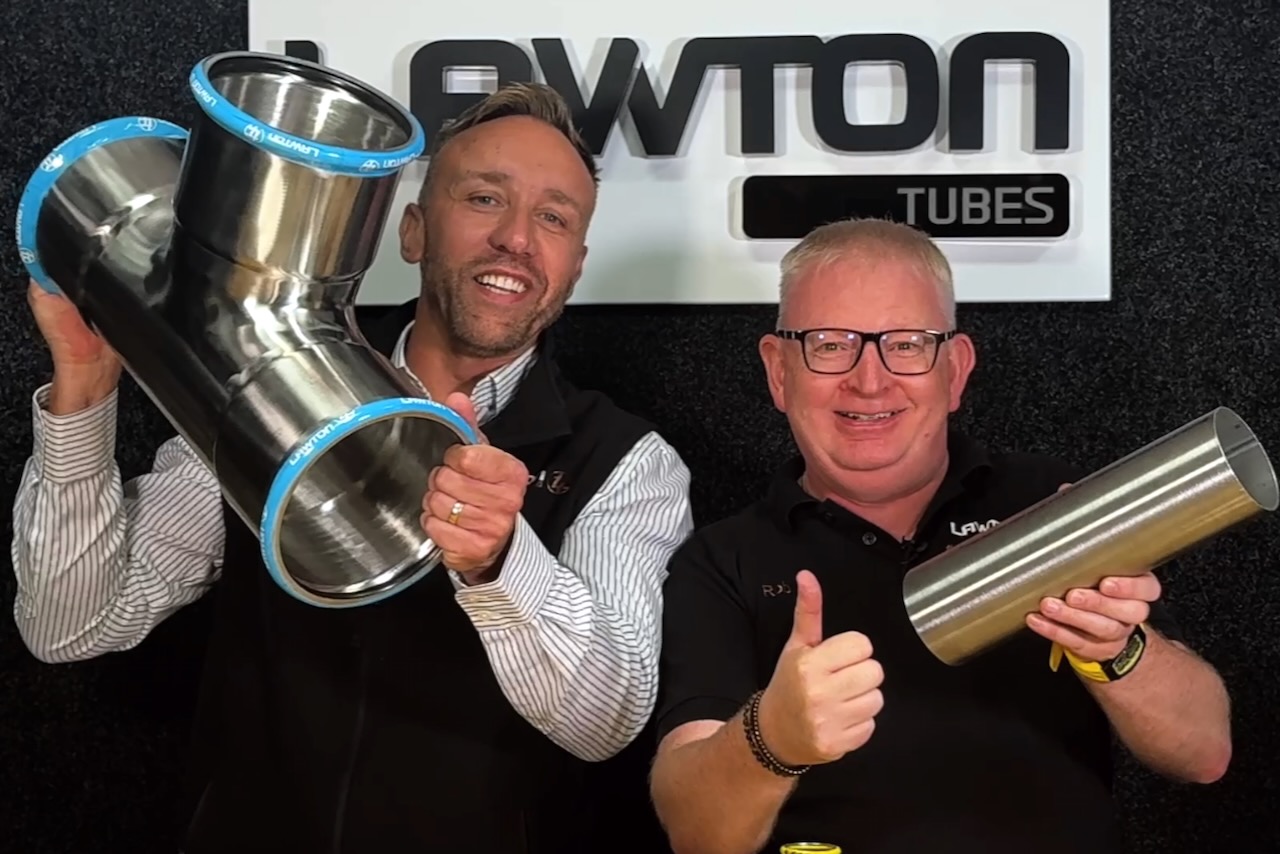
    Lawton Tubes has launched its first stainless steel product range after more than 100 years focused solely on copper tubes and fittings, adding systems specifically designed for corrosive environments. The new stainless steel lines target applications where copper suffers from pitting or stress corrosion, such as aggressive industrial process pipework and chemically treated water systems. For specifiers and contractors, this widens material options on mixed-metal installations and may shift lifecycle cost and corrosion-risk calculations on future building services and infrastructure projects.

    Radical AI autonomous alloy labs: implications for critical minerals supply
    Materials
    6 days ago

    Radical AI autonomous alloy labs: implications for critical minerals supply

    Radical AI has built a commercial “self‑driving lab” at Brooklyn Navy Yard that uses AI, robotics and an active learning loop to design, manufacture and test 50–200 g alloy samples, generating 300 new compositions in about 16 weeks for aerospace and defence clients. Backed by RTX and Nvidia and partnering with Sandia National Laboratories on metal–hydrogen interactions, the platform lets users exclude supply‑constrained elements such as hafnium while targeting specific strength, oxidation and hypersonic‑relevant high‑temperature properties. By collapsing 10–20 year alloy development cycles to roughly 1–3 years, the approach could reshape demand patterns for certain critical minerals.

    Related Industries & Products

    Construction

    Quality control software for construction companies with material testing, batch tracking, and compliance management.

    Mining

    Geotechnical software solutions for mining operations including CMRR analysis, hydrogeological testing, and data management.

    QCDB-io

    Comprehensive quality control database for manufacturing, tunnelling, and civil construction with UCS testing, PSD analysis, and grout mix design management.

    AllGeotechnicalInfrastructureHazardsEnvironmental