Ruthven Street level crossing replacement: design and staging notes for engineers
Reviewed by Tom Sullivan
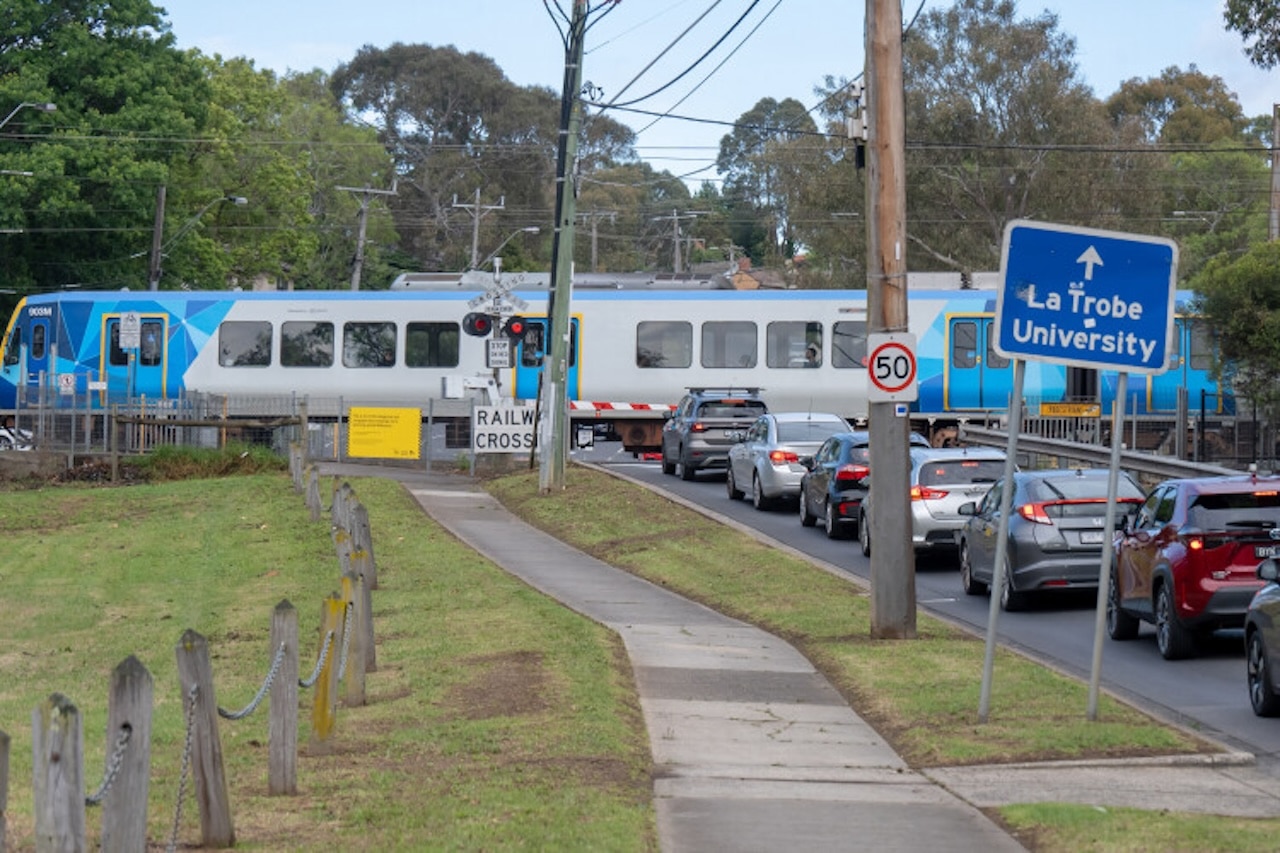
First reported on Roads & Infrastructure (AU)
30 Second Briefing
Final designs for removing the Ruthven Street level crossing in Macleod, Melbourne, confirm a new rail bridge will carry the Hurstbridge line over the road, eliminating a crossing the Victorian Government has labelled dangerous and highly congested. Early works will focus on relocating utilities, piling for bridge piers and rail occupation planning to maintain services during construction. For civil and geotechnical teams, key tasks will include foundation design for the elevated structure in a constrained suburban corridor and managing traffic staging on Ruthven Street.
Technical Brief
- Rail-over-road configuration inherently removes train–vehicle conflict points, eliminating level-crossing strike risk.
- Early works will require detailed services mapping and staged utility diversions to avoid third-party damage incidents.
- Piling for bridge piers will need vibration and noise controls to protect adjacent residential structures and amenity.
- Temporary traffic management layouts will be critical to prevent rear-end and side-swipe crashes near the former crossing.
Our Take
In our database, the Macleod/Ruthven Street works sit alongside other Victorian Government level crossing removals such as the Old Calder Highway and Watsons Road bridges at Diggers Rest (27 Nov 2025), signalling a consistent preference for grade-separated solutions rather than signalling upgrades on busy suburban routes.
The involvement of Roads & Infrastructure Magazine in multiple Victorian Government pieces, including the TAC Best Client Outcomes Grant Program (16 Mar 2026), indicates that safety messaging around projects like Macleod is being framed not just as transport efficiency but as part of a broader public health and injury-prevention narrative.
Prepared by collating external sources, AI-assisted tools, and Geomechanics.io’s proprietary mining database, then reviewed for technical accuracy & edited by our geotechnical team.


