Rustington Southern network fire: resilience and maintenance lessons for engineers
Reviewed by Tom Sullivan
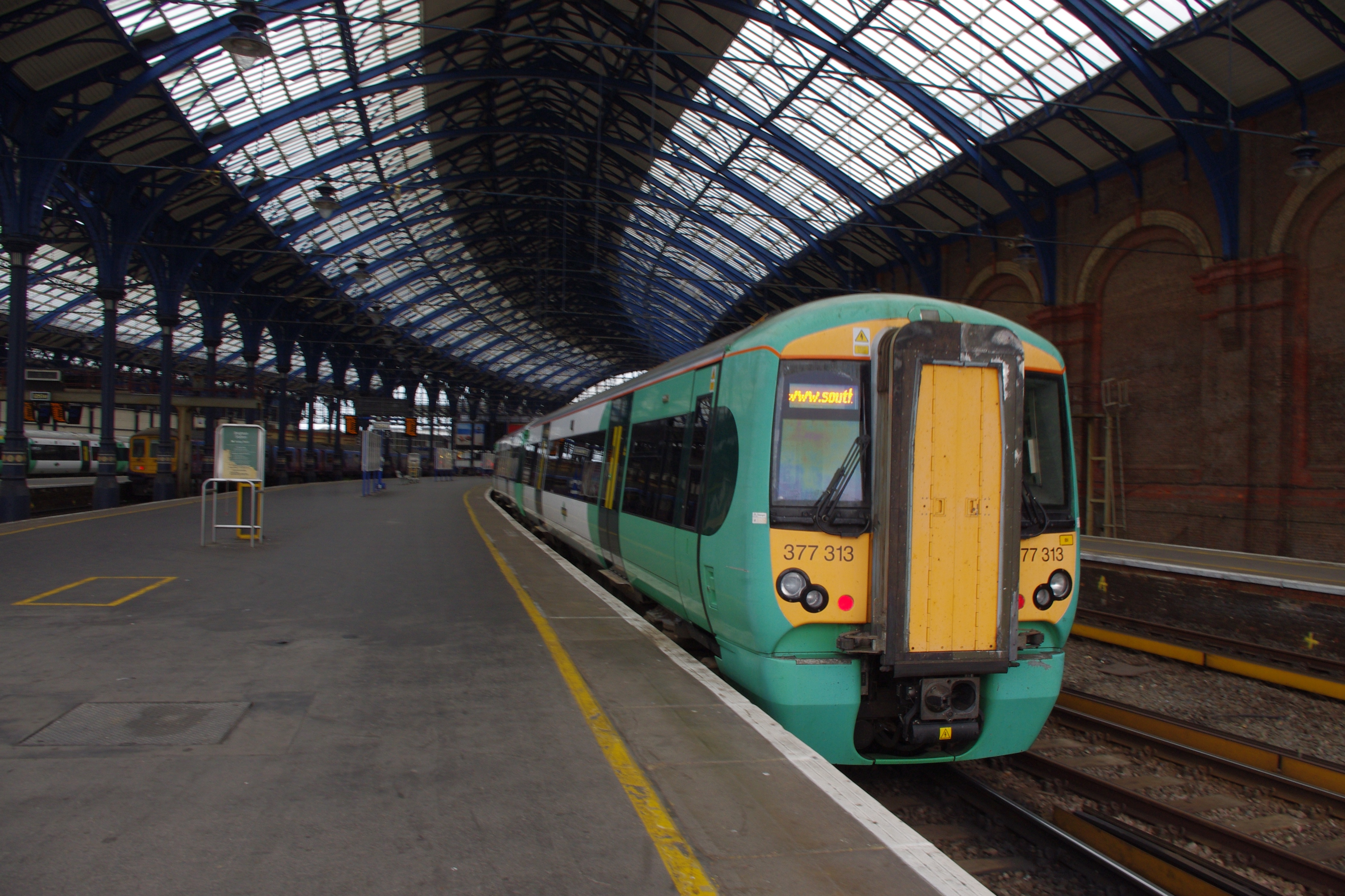
First reported on New Civil Engineer
30 Second Briefing
A lineside fire near Rustington in West Sussex forced the suspension of all Southern Railway services between Worthing and Littlehampton/Barnham, with Network Rail classing the incident as “major disruption”. Engineers were deployed to inspect and repair affected track, signalling cables and associated lineside equipment before services could be safely restored. The event underlines the vulnerability of coastal commuter corridors to relatively small infrastructure faults, with knock-on impacts for timetable resilience and maintenance planning.
Technical Brief
- Network Rail’s “major disruption” categorisation would have triggered formal incident response and safety management procedures.
- Isolation of affected track sections and signalling circuits was required before engineers could access the site.
- Lineside fire damage likely focused on cable troughing, insulation and junction boxes rather than primary track structure.
- Temporary speed restrictions or blockades would be maintained until post-fire inspections confirmed no heat-induced rail distortion.
- Incident investigation will need to determine ignition source: vegetation, electrical fault, trespass, or external activity.
- Event underlines the need for rigorous vegetation management and combustible-material control along electrified commuter corridors.
- For similar coastal routes, resilience planning typically includes redundant signalling paths and sectionalised power feeds.
Our Take
Network Rail features across several recent pieces in our database not only for incident response, as here in West Sussex, but also for major planned works such as the Severn Tunnel upgrades and the York Central bridge possessions, signalling a network that is simultaneously in heavy renewal and under operational strain.
The safety-tagged nature of this Rustington–Worthing disruption contrasts with the largely project-delivery focus of other recent Network Rail coverage (e.g. the CP7 Wales & Western framework with AtkinsRéalis), suggesting that incident management is increasingly being scrutinised alongside capital works performance.
With the Department for Transport’s £1.1bn innovation spend under National Audit Office review in another related article, operational events on the Southern Railway route give DfT and Network Rail concrete case studies for justifying investment in resilience technologies and better real-time asset condition monitoring on busy commuter corridors.
Prepared by collating external sources, AI-assisted tools, and Geomechanics.io’s proprietary mining database, then reviewed for technical accuracy & edited by our geotechnical team.
Related Articles


Related Industries & Products
Mining
Geotechnical software solutions for mining operations including CMRR analysis, hydrogeological testing, and data management.
Construction
Quality control software for construction companies with material testing, batch tracking, and compliance management.
CMRR-io
Streamline coal mine roof stability assessments with our cloud-based CMRR software featuring automated calculations, multi-scenario analysis, and collaborative workflows.
HYDROGEO-io
Comprehensive hydrogeological testing platform for managing, analysing, and reporting on packer tests, lugeon values, and hydraulic conductivity assessments.
GEODB-io
Centralised geotechnical data management solution for storing, accessing, and analysing all your site investigation and material testing data.