Resilient bridges as integrated systems: lifecycle design notes for engineers
Reviewed by Tom Sullivan
First reported on New Civil Engineer
30 Second Briefing
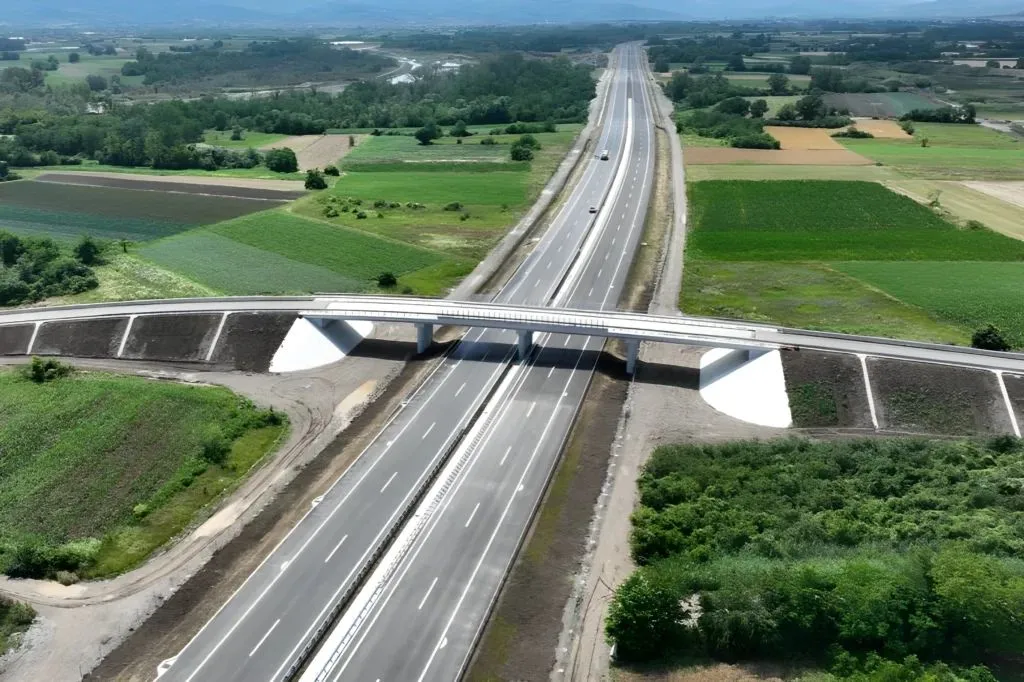
Resilient bridges are framed as components of a single transport system, where bearings, expansion joints, drainage, parapets and approach embankments must be designed and maintained as one rather than as isolated elements. The author, a senior infrastructure delivery specialist with over 20 years’ experience, stresses that hidden details such as deck waterproofing, movement joints and substructure–pavement interfaces often govern lifecycle performance more than the visible superstructure. For practitioners, the message is to integrate bridge design with road geometry, utilities, inspection access and maintenance regimes from concept stage to avoid premature deterioration and costly retrofits.
Technical Brief
- Bearings and joints are singled out as primary initiators of structural distress when detailing is poor.
- Drainage misalignment between deck, verges and approach pavements is identified as a frequent cause of hidden deterioration.
- Poorly co-ordinated parapet and safety barrier fixings are noted for creating local deck cracking and leakage paths.
- Utility corridors within or adjacent to bridge decks are flagged as critical interfaces needing early structural and access planning.
- Inspection access platforms, recesses and safe verge widths are emphasised as design-time safety provisions, not retrofits.
- For future programmes, the author argues that safety cases should explicitly treat bridges and highway links as one asset system.
Our Take
New Civil Engineer’s recent coverage of the ‘data handover gap’ in BIM and asset management suggests that viewing bridges as part of an integrated system increasingly depends on how well digital information is structured and transferred at project close-out.
The Beyond Design Early Careers Bridges Challenge items in our database, including the National Bridge Retrofit Library proposal, indicate that system-level resilience for bridges is now being tackled not just through new builds but through standardised retrofit knowledge and tools.
Prepared by collating external sources, AI-assisted tools, and Geomechanics.io’s proprietary mining database, then reviewed for technical accuracy & edited by our geotechnical team.
Related Articles


Related Industries & Products
Construction
Quality control software for construction companies with material testing, batch tracking, and compliance management.
Mining
Geotechnical software solutions for mining operations including CMRR analysis, hydrogeological testing, and data management.
CMRR-io
Streamline coal mine roof stability assessments with our cloud-based CMRR software featuring automated calculations, multi-scenario analysis, and collaborative workflows.
HYDROGEO-io
Comprehensive hydrogeological testing platform for managing, analysing, and reporting on packer tests, lugeon values, and hydraulic conductivity assessments.
GEODB-io
Centralised geotechnical data management solution for storing, accessing, and analysing all your site investigation and material testing data.