Ramelius Eridanus gold mine expansion: haulage and mill feed lens for planners
Reviewed by Joe Ashwell
First reported on Australian Mining
30 Second Briefing
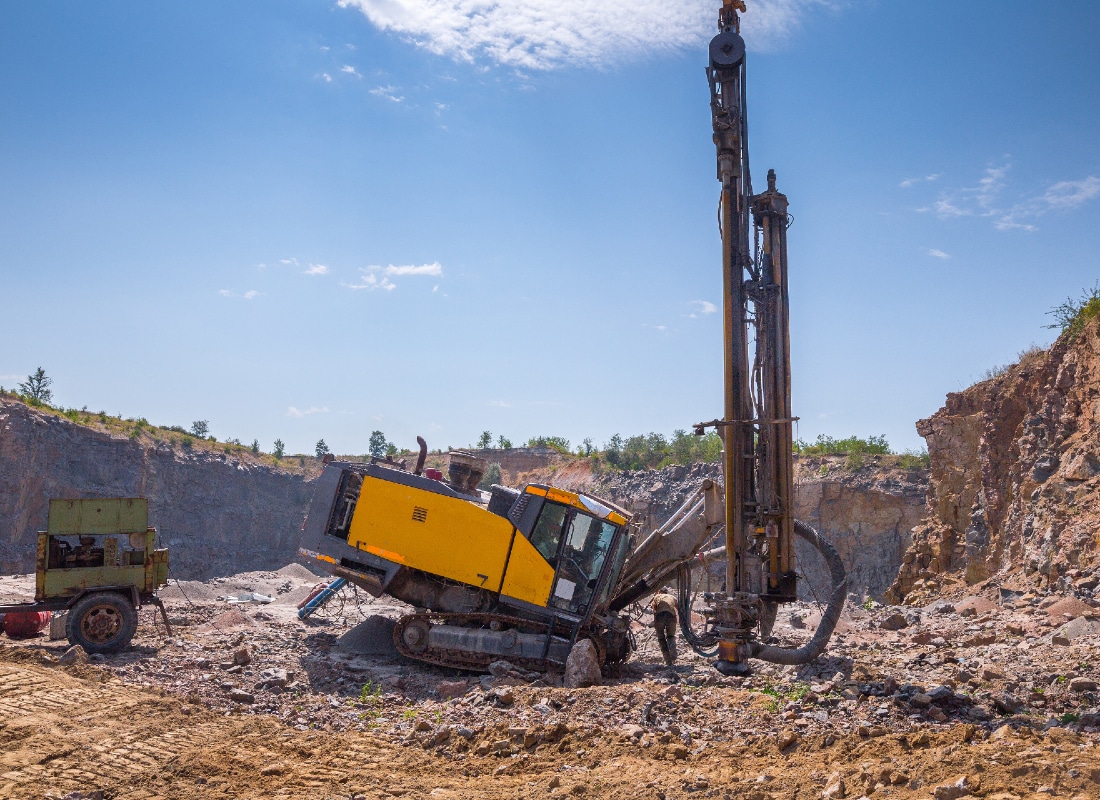
Ramelius Resources has begun the stage 3 open-pit cutback at the Eridanus gold deposit in Western Australia, progressing a key ore source for its Mt Magnet processing hub, which currently treats multiple satellite deposits through a centralised plant. Discovered by Ramelius in 2017, Eridanus has since grown into one of the operation’s major open pits, with successive cutbacks extending pit walls and deepening access to fresh ore. The new stage will concentrate on maintaining mill feed continuity and optimising haul profiles and strip ratios across the broader Mt Magnet complex.
Technical Brief
- Stage 3 cutback involves deepening existing Eridanus pit walls rather than opening a new pit.
- Cutback design is expected to modify haul ramp geometry to suit longer ore and waste hauls.
- Wall re-optimisation will likely require updated geotechnical domains and revised slope design sectors.
- Progressive pushback sequencing will be critical to maintain access to multiple ore horizons during mining.
- Additional dewatering bores and in-pit sumps are typically required as pits deepen into fresh rock.
- Drill-and-blast patterns will need adjustment for higher bench heights and harder fresh-rock conditions.
- Similar staged cutbacks at Western Australian gold pits often trigger updated resource models and reserve conversions.
Our Take
The Eridanus gold deposit feeds directly into Ramelius Resources’ Mt Magnet processing hub, which in other recent coverage is being expanded by 3Mtpa under an EPC contract with Primero Group, so this stage 3 cutback is likely timed to ensure ore supply for the enlarged plant rather than just sustaining current throughput.
Eridanus was only discovered in 2017, and its rapid progression to a stage 3 open-pit cutback underlines how Ramelius is prioritising short lead-time Western Australian gold assets to back its FY30 production ambitions of around 560,000–610,000 ounces per year reported in our other Mt Magnet expansion coverage.
Prepared by collating external sources, AI-assisted tools, and Geomechanics.io’s proprietary mining database, then reviewed for technical accuracy & edited by our geotechnical team.
Related Articles
Related Industries & Products
Mining
Geotechnical software solutions for mining operations including CMRR analysis, hydrogeological testing, and data management.
CMRR-io
Streamline coal mine roof stability assessments with our cloud-based CMRR software featuring automated calculations, multi-scenario analysis, and collaborative workflows.
HYDROGEO-io
Comprehensive hydrogeological testing platform for managing, analysing, and reporting on packer tests, lugeon values, and hydraulic conductivity assessments.
GEODB-io
Centralised geotechnical data management solution for storing, accessing, and analysing all your site investigation and material testing data.