QLD road works acceleration: geotechnical design notes for congestion relief
Reviewed by Tom Sullivan
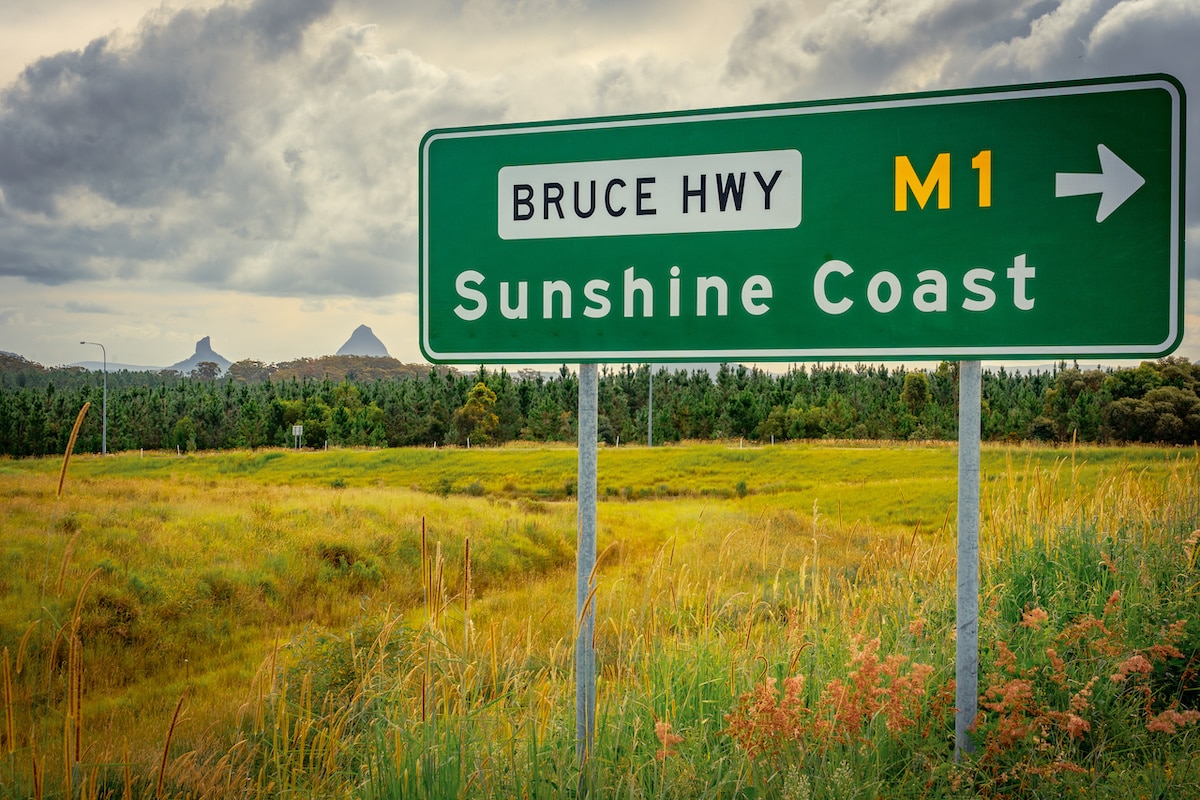
First reported on Roads & Infrastructure (AU)
30 Second Briefing
Queensland’s Department of Transport and Main Roads is fast‑tracking intersection upgrades on the Sunshine Coast, with site investigations now underway at Caloundra Road and Bellvista Road in Little Mountain to define geometry, pavement condition and underground services for a future signalised layout. The works form part of broader congestion‑reduction measures on key Bruce Highway access routes, targeting peak‑hour queuing and turning conflicts at suburban junctions. Geotechnical findings from the Caloundra investigations will drive pavement reconstruction depth, drainage design and any required ground improvement in the coastal sand profile.
Technical Brief
- Fast-tracked delivery compresses design, approvals and procurement windows, increasing pressure on constructability and safety-by-design reviews.
- Night and off-peak working windows are likely to dominate, driving specific temporary traffic management and lighting safety controls.
- Coastal setting implies shallow groundwater and potentially saturated sands, increasing risk of excavation instability and trench inundation during services works.
- Existing underground utilities at a suburban intersection require detailed service proving to avoid strike incidents and unplanned outages.
- Intersection upgrade will need to integrate pedestrian crossings and cycle facilities, tightening sight-distance and conflict-point safety checks.
- Construction near residential areas will trigger noise, vibration and dust controls, influencing compaction methods and allowable working hours.
Our Take
Queensland features heavily in our 818-item Infrastructure corpus for targeted congestion relief rather than new corridors, signalling that upgrades around nodes like Caloundra and Little Mountain are likely to focus on intersection performance, lane reconfiguration and signal optimisation rather than greenfield highways.
Safety-tagged pieces in our database show that accelerated road programmes in Australia often bundle in low-cost treatments—barrier upgrades, shoulder sealing and speed management—so contractors on these Sunshine Coast works should anticipate tight staging and night-shift windows to maintain traffic while lifting safety standards.
Roads & Infrastructure Magazine’s recent “Roads Review: Looking Forward” coverage, which also involves Roads & Infrastructure Magazine as a key platform, suggests that delivery agencies in Queensland are under pressure not just to cut congestion but to demonstrate better workforce conditions and community engagement on fast-tracked projects.
Prepared by collating external sources, AI-assisted tools, and Geomechanics.io’s proprietary mining database, then reviewed for technical accuracy & edited by our geotechnical team.
Related Articles


Related Industries & Products
Construction
Quality control software for construction companies with material testing, batch tracking, and compliance management.
Mining
Geotechnical software solutions for mining operations including CMRR analysis, hydrogeological testing, and data management.
HYDROGEO-io
Comprehensive hydrogeological testing platform for managing, analysing, and reporting on packer tests, lugeon values, and hydraulic conductivity assessments.
GEODB-io
Centralised geotechnical data management solution for storing, accessing, and analysing all your site investigation and material testing data.
QCDB-io
Comprehensive quality control database for manufacturing, tunnelling, and civil construction with UCS testing, PSD analysis, and grout mix design management.