PLS Pilgangoora lithium output surge: scheduling and plant notes for engineers
Reviewed by Joe Ashwell
First reported on Australian Mining
30 Second Briefing
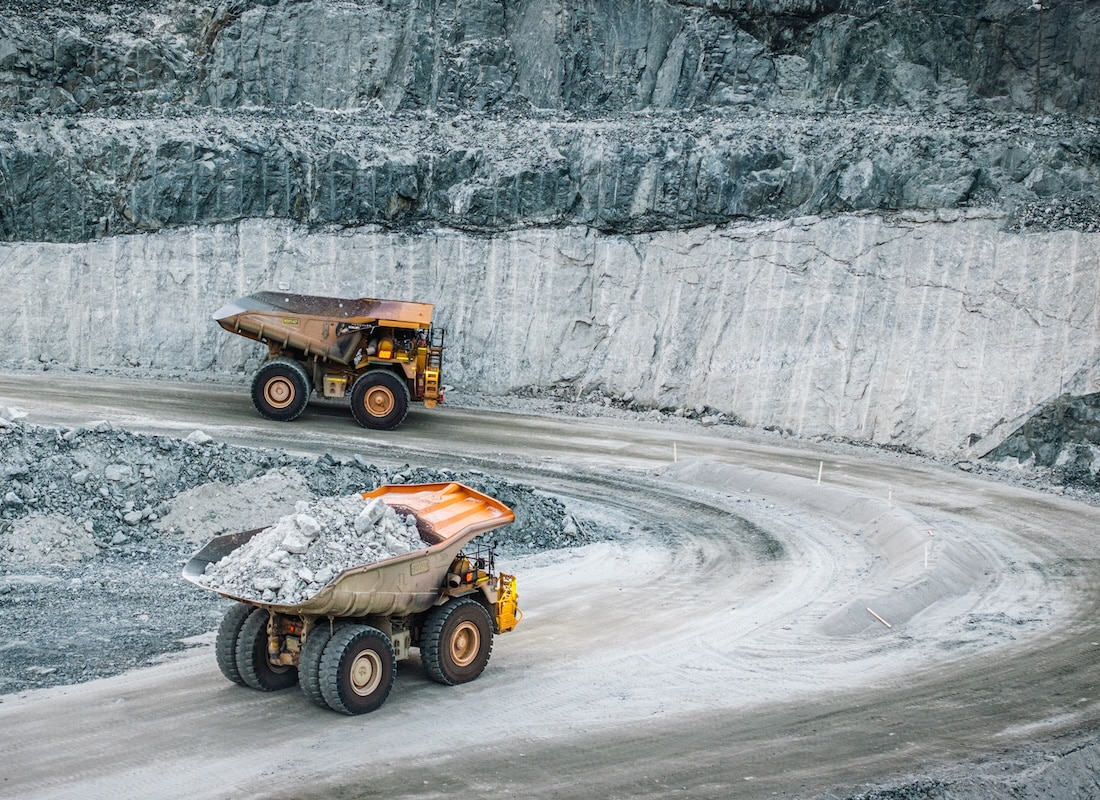
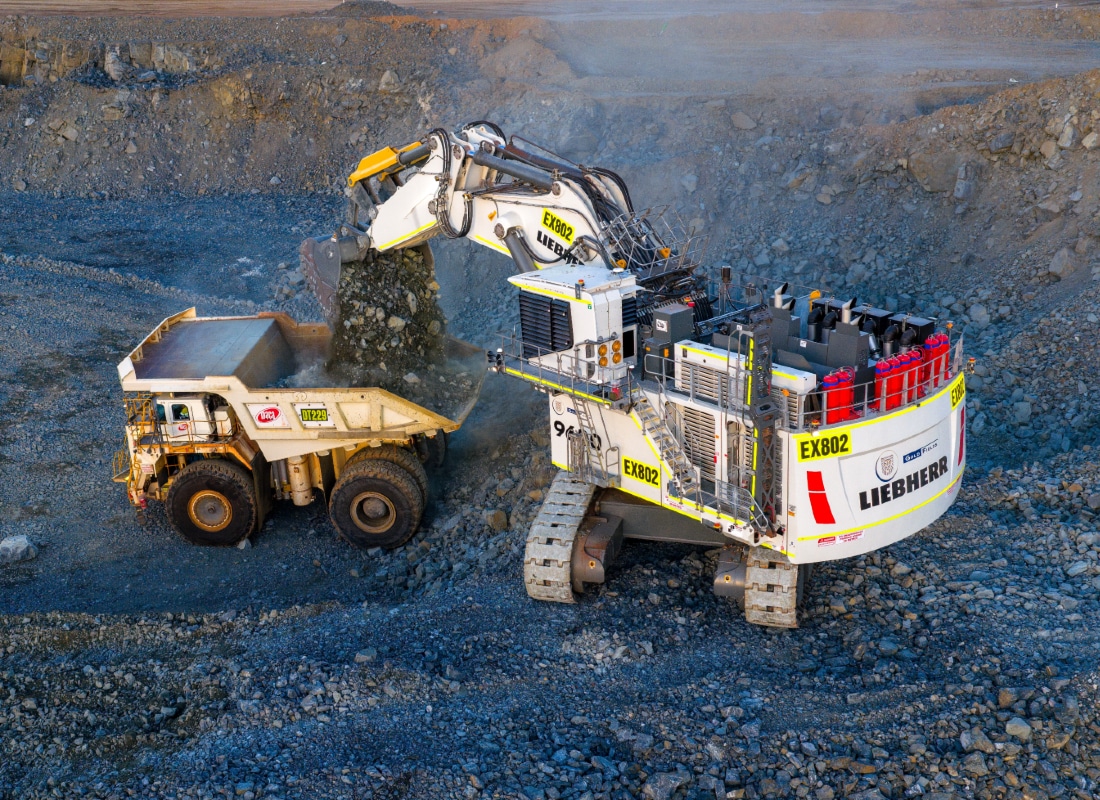
PLS delivered record quarterly spodumene concentrate output of 267,600 tonnes from its Pilgangoora operation in Western Australia, a 25 per cent increase driven by the restart of the Ngungaju processing plant. Additional Ngungaju throughput is complementing higher-grade or more consistent feed from the main Pilgan plant, lifting overall plant utilisation early in the 2026–27 financial year. The step-up in concentrate tonnage will pressure mine scheduling, tailings capacity and haulage logistics, and may justify further debottlenecking of crushing and classification circuits.
Technical Brief
- Higher utilisation will load-test existing traffic management plans, especially light–heavy vehicle separation and intersection controls.
- Tailings deposition rates must now be reassessed against embankment raise schedules, freeboard criteria and decant capacity.
- Increased concentrate haulage from site to port elevates fatigue risk, requiring tighter roster, journey and in‑vehicle monitoring.
- Maintenance windows on crushers, mills and thickeners will shorten, demanding stricter isolation, lock‑out and permit systems.
- Any future debottlenecking of crushing/classification circuits will require updated HAZOPs and revised process safety envelopes.
- For similar high‑growth mining operations, rapid throughput ramps typically drive leading indicators like near‑misses and equipment damage.
Our Take
The 25 per cent lift in spodumene concentrate output tied to the Ngungaju processing plant restart aligns with the related FY26 result of 879,500–879,543 tonnes, signalling that Pilgangoora is already operating near the upper end of its current nameplate ahead of further debottlenecking.
The contract for 22 TOMRA sensor-based ore sorters at the Pilgangoora operation suggests that sustaining or improving unit costs on higher lithium throughput will rely heavily on pre-concentration and ore characterisation rather than simply adding conventional milling capacity.
Prepared by collating external sources, AI-assisted tools, and Geomechanics.io’s proprietary mining database, then reviewed for technical accuracy & edited by our geotechnical team.
Related Articles

Related Industries & Products
Mining
Geotechnical software solutions for mining operations including CMRR analysis, hydrogeological testing, and data management.
CMRR-io
Streamline coal mine roof stability assessments with our cloud-based CMRR software featuring automated calculations, multi-scenario analysis, and collaborative workflows.
HYDROGEO-io
Comprehensive hydrogeological testing platform for managing, analysing, and reporting on packer tests, lugeon values, and hydraulic conductivity assessments.
GEODB-io
Centralised geotechnical data management solution for storing, accessing, and analysing all your site investigation and material testing data.