Place-based infrastructure: design and resilience lessons for project engineers
Reviewed by Tom Sullivan
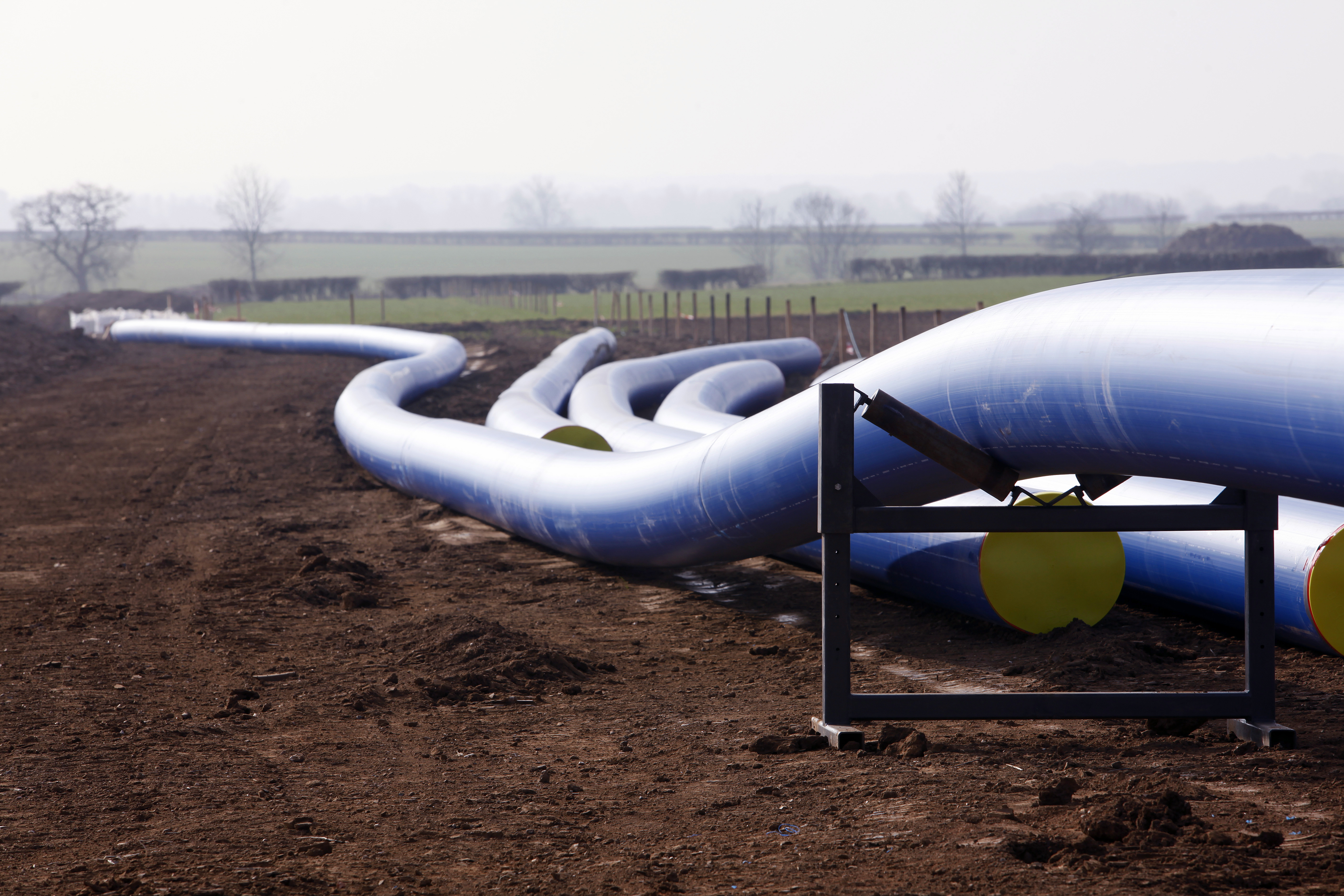
First reported on New Civil Engineer
30 Second Briefing
Place-based infrastructure is being promoted as a way to design transport, flood defence and public realm schemes that respond to specific local social, economic and environmental conditions rather than standardised templates. Advocates argue that early engagement with communities, integration of green–blue infrastructure, and re-use of existing assets can reduce whole-life carbon and cost while improving resilience to climate-related stresses. For engineers, this approach shifts emphasis towards multidisciplinary planning, data-led understanding of local behaviours, and performance metrics that capture social value alongside traditional capacity and safety criteria.
Technical Brief
- Place-based schemes are framed as essential under constrained future resources and increasingly polarised stakeholder views.
- Delivery focus shifts towards projects that explicitly support long-term community “thriving”, not just baseline service provision.
- Social cohesion and conflict risk are treated as design constraints alongside hydraulic capacity, traffic flow and structural safety.
- Engineers are expected to evidence how infrastructure choices mediate competing local interests, not merely comply with standards.
- Governance discussions centre on who defines “community benefit”, and how that definition steers option selection and phasing.
- Procurement models are questioned where lowest-capex tendering conflicts with locally optimised, long-horizon asset performance.
- Risk engineers gain a wider brief, incorporating social licence, perception risk and distributional impacts into project risk registers.
Our Take
New Civil Engineer’s recent coverage of BIM, common data environments and asset management ‘data handover gaps’ suggests that place-based infrastructure will increasingly depend on robust digital asset records if communities are to see long-term benefits rather than just construction-phase gains.
The Bridges Conference ‘National Bridge Retrofit Library’ proposal in our database points to a shift in UK practice from new-build to smarter reuse and retrofit, which aligns with place-based thinking by prioritising incremental upgrades that respond to specific community needs and constraints.
With 910 Infrastructure stories and 2,436 tag-matched pieces on sustainability and projects, New Civil Engineer is building a sizeable reference set that practitioners can mine for precedents when arguing for more locally tailored, socially focused design choices in business cases and planning submissions.
Prepared by collating external sources, AI-assisted tools, and Geomechanics.io’s proprietary mining database, then reviewed for technical accuracy & edited by our geotechnical team.
Related Articles


Related Industries & Products
Construction
Quality control software for construction companies with material testing, batch tracking, and compliance management.
Mining
Geotechnical software solutions for mining operations including CMRR analysis, hydrogeological testing, and data management.
QCDB-io
Comprehensive quality control database for manufacturing, tunnelling, and civil construction with UCS testing, PSD analysis, and grout mix design management.