ORR cuts third party rail charges: project delivery implications for engineers
Reviewed by Tom Sullivan
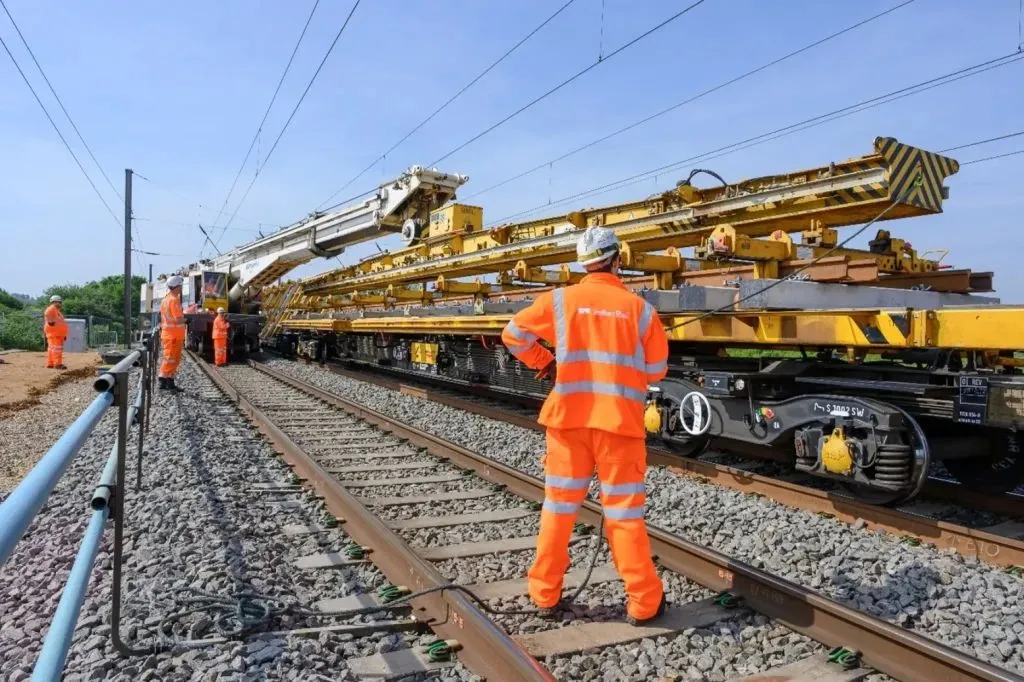
First reported on New Civil Engineer
30 Second Briefing
The Office of Rail and Road has reduced the charges that third parties pay to fund upgrades and maintenance on the UK rail network, aiming to cut project costs for developers and investors. Lower access and investment charges are expected to make it more viable for ports, freight terminals and property-led schemes to finance track, signalling and station enhancements tied to their own developments. For civil and rail engineers, the change could unlock more privately backed schemes and require closer early-stage coordination on asset standards, possession planning and long-term maintenance responsibilities.
Technical Brief
- Charge reductions apply where non‑railway promoters fund physical assets on the national rail network.
- Lowered rates affect both initial upgrade works and ongoing maintenance cost allocations to third parties.
Our Take
In our database of 117 Policy stories, the Office of Rail and Road features frequently in pieces about both rail and strategic road regulation, signalling that any change to third party investment rates will likely ripple into future regulated asset base discussions such as those flagged for the Lower Thames Crossing review.
The recent Government Actuary’s Department work for ORR on climate-related hazards suggests that lower financing rates for third party upgrades in the United Kingdom may be framed not just as cost relief but as a way to crowd in private capital for resilience works against flooding, heat and extreme rainfall.
ORR’s earlier rejection of a new Hampshire–London passenger service on upgrade-cost grounds, combined with this move on third party investment terms, points to a more explicit price signal: schemes that can leverage cheaper private capital for infrastructure enhancement are more likely to clear regulatory hurdles than those relying on full network-funded works.
Prepared by collating external sources, AI-assisted tools, and Geomechanics.io’s proprietary mining database, then reviewed for technical accuracy & edited by our geotechnical team.
Related Articles



Related Industries & Products
Construction
Quality control software for construction companies with material testing, batch tracking, and compliance management.
Mining
Geotechnical software solutions for mining operations including CMRR analysis, hydrogeological testing, and data management.
CMRR-io
Streamline coal mine roof stability assessments with our cloud-based CMRR software featuring automated calculations, multi-scenario analysis, and collaborative workflows.
HYDROGEO-io
Comprehensive hydrogeological testing platform for managing, analysing, and reporting on packer tests, lugeon values, and hydraulic conductivity assessments.
GEODB-io
Centralised geotechnical data management solution for storing, accessing, and analysing all your site investigation and material testing data.