NTRO autonomous bus ‘Rita’: design and safety insights for transport engineers
Reviewed by Tom Sullivan
First reported on Roads & Infrastructure (AU)
30 Second Briefing
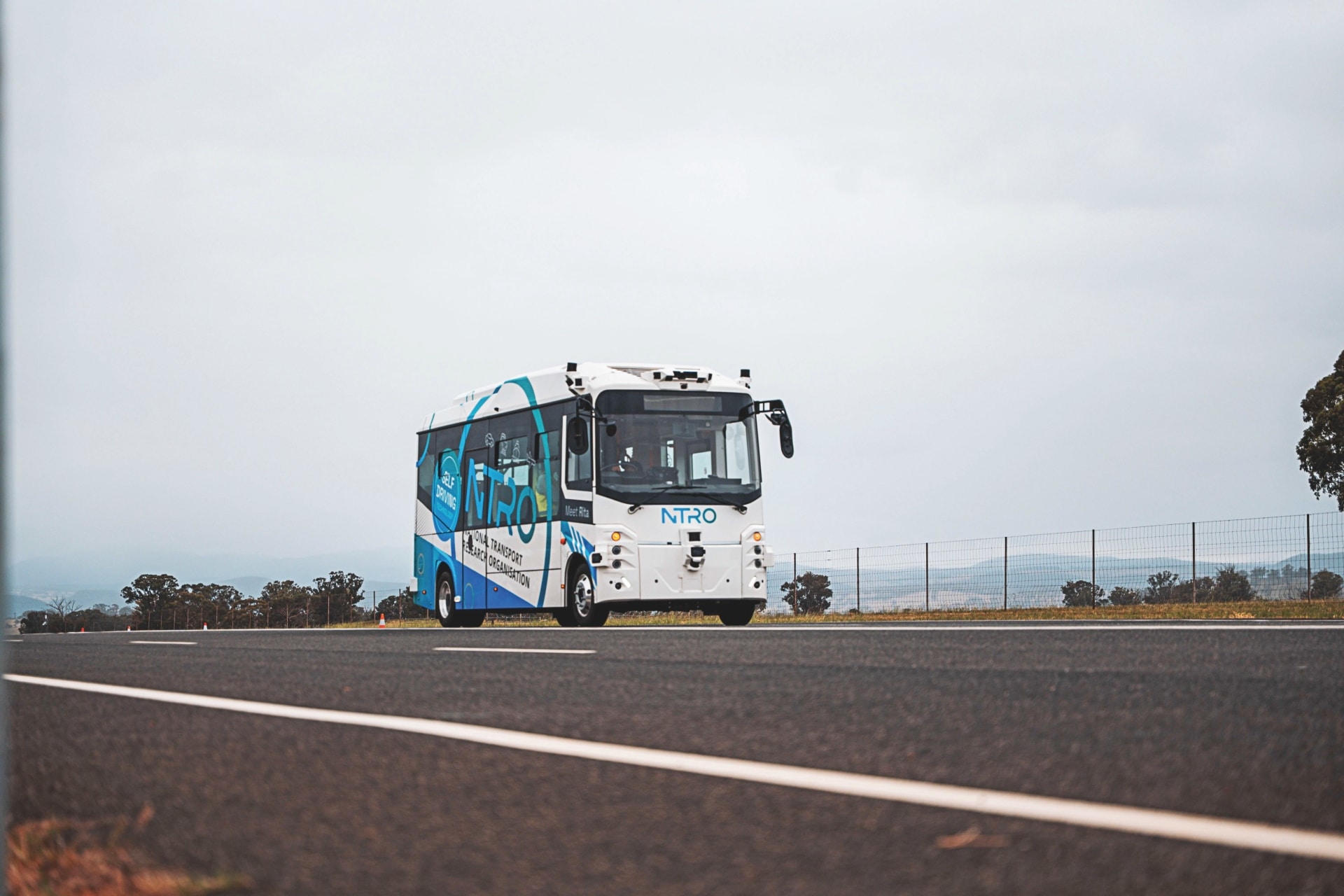
Australia’s first mid-sized autonomous bus, “Rita”, is being deployed by the National Transport Research Organisation (NTRO) as a national test platform for automated transport systems. NTRO Chief Executive Michael Caltabiano says Australia is roughly 15 years behind leading jurisdictions in automation, making this project a catch-up step for integrating driverless vehicles into existing road networks. For civil and transport engineers, Rita provides a live environment to assess lane-keeping performance, sensor behaviour and infrastructure interfaces before wider-scale deployment.
Technical Brief
- NTRO’s “Rita” platform is configured as a mid-sized bus, bridging gap between small shuttles and full-size coaches.
- Vehicle is owned and operated by NTRO as a national test asset, not a commercial service.
- Test program is structured to examine how existing road markings, signs and intersections interact with autonomous control.
- NTRO intends to run Rita across multiple jurisdictions, exposing the system to differing road standards and regulations.
- Safety focus includes validating fail-safe behaviours when sensors lose line-of-sight or encounter ambiguous lane delineation.
- Data from Rita will inform future updates to Australian road design and traffic control device guidelines for automation.
- NTRO positions the platform to de-risk future upgrades to brownfield road corridors by understanding automation requirements early.
- Lessons from Rita are expected to shape national safety protocols for mixed human–autonomous traffic environments.
Our Take
NTRO’s estimate of a 15‑year automation lag in Australia aligns with Michael Caltabiano’s other flagged priorities in our coverage, where he links emerging vehicle technologies directly to road‑safety outcomes rather than treating them as standalone innovation plays.
For Australian project owners, the 15‑year lag implies that design lives for current road and bridge projects may need to accommodate retrofitting for higher levels of vehicle automation, a theme that is echoed in NTRO’s Pacific partnerships article where best‑practice design and asset management are being embedded upfront rather than added later.
Prepared by collating external sources, AI-assisted tools, and Geomechanics.io’s proprietary mining database, then reviewed for technical accuracy & edited by our geotechnical team.
Related Articles


Related Industries & Products
Mining
Geotechnical software solutions for mining operations including CMRR analysis, hydrogeological testing, and data management.
Construction
Quality control software for construction companies with material testing, batch tracking, and compliance management.
CMRR-io
Streamline coal mine roof stability assessments with our cloud-based CMRR software featuring automated calculations, multi-scenario analysis, and collaborative workflows.
HYDROGEO-io
Comprehensive hydrogeological testing platform for managing, analysing, and reporting on packer tests, lugeon values, and hydraulic conductivity assessments.
GEODB-io
Centralised geotechnical data management solution for storing, accessing, and analysing all your site investigation and material testing data.