NT Sandover Highway upgrades: arid-zone design and logistics notes for engineers
Reviewed by Joe Ashwell
First reported on Roads & Infrastructure (AU)
30 Second Briefing
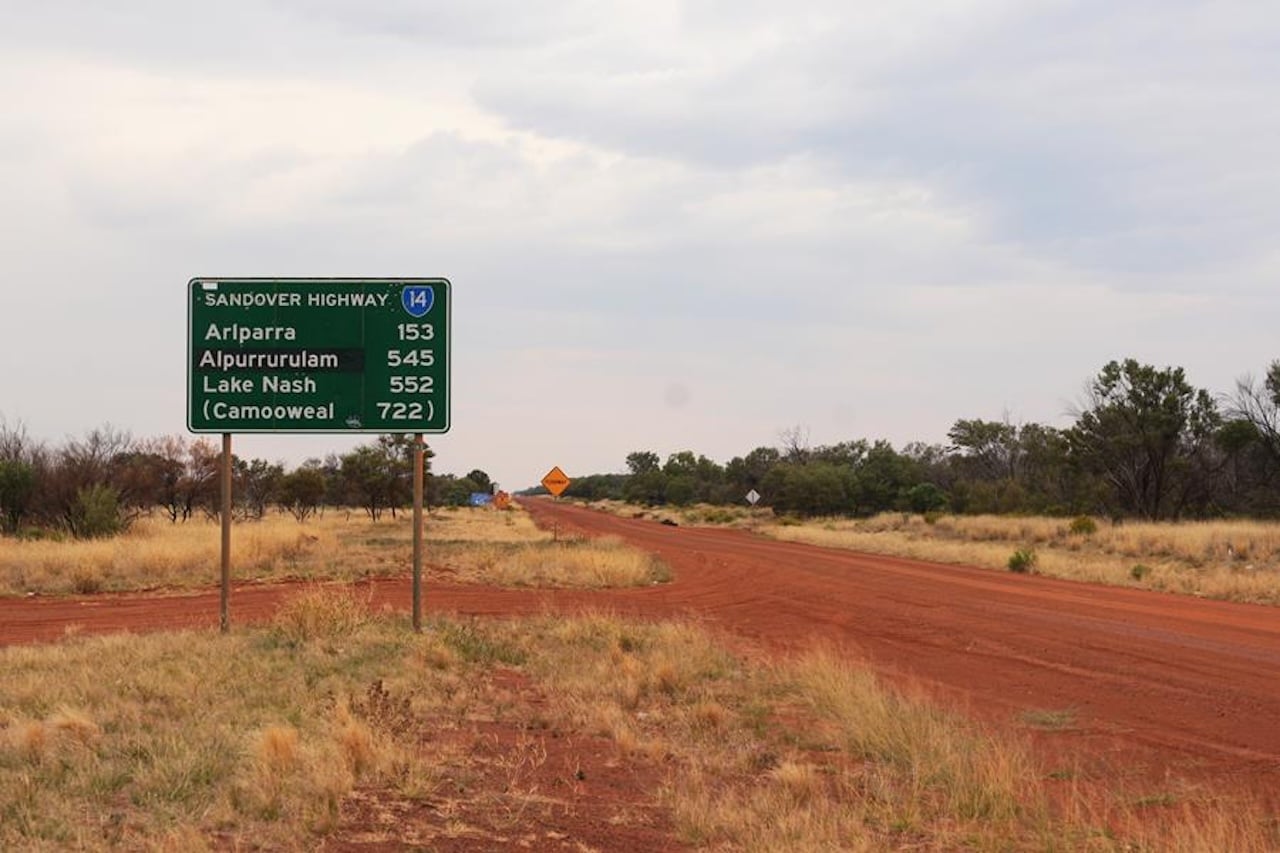
The Northern Territory Government has called tenders to upgrade and seal a further 12 kilometres of the 561‑kilometre Sandover Highway, a key east–west freight and access route linking the Plenty Highway to Camooweal in Queensland. The unsealed sections currently constrain heavy vehicle access and reliability for remote communities and cattle stations that depend on the corridor for supplies and livestock transport. Contractors will need to address arid-zone pavement design, drainage over long flat reaches and construction logistics in a sparsely serviced region.
Technical Brief
- Tender scope is limited to a discrete 12 km section, enabling staged design and mobilisation.
- Sealing additional length incrementally reduces maintenance grading frequency and associated plant haul distances on remaining gravel.
- Freight task includes livestock transport, so pavement and surfacing must tolerate high axle loads and seasonal mass peaks.
- Contractors will need to plan fuel, water and aggregate sourcing over long distances from established depots.
Our Take
Within our 916 Infrastructure stories, sealed-road upgrades in remote parts of the Northern Territory are relatively sparse, so work on the 561‑kilometre Sandover Highway signals that secondary east–west links towards Queensland (via Camooweal and the Plenty Highway) are starting to attract more programmatic investment attention.
For contractors, a 12‑kilometre sealing package on Sandover Highway is typical of how NT road agencies break long outback corridors into bite‑sized contracts, which can favour mid‑tier and local firms able to mobilise quickly and manage logistics over long supply lines.
Roads & Infrastructure Magazine’s recent “Roads Review: Looking Forward” coverage has highlighted a shift away from mega‑projects, and this targeted Northern Territory highway package fits that pattern of smaller, distributed works that collectively improve network resilience rather than headline capacity.
Prepared by collating external sources, AI-assisted tools, and Geomechanics.io’s proprietary mining database, then reviewed for technical accuracy & edited by our geotechnical team.
Related Articles


Related Industries & Products
Construction
Quality control software for construction companies with material testing, batch tracking, and compliance management.
Mining
Geotechnical software solutions for mining operations including CMRR analysis, hydrogeological testing, and data management.
QCDB-io
Comprehensive quality control database for manufacturing, tunnelling, and civil construction with UCS testing, PSD analysis, and grout mix design management.