NSW coal workforce deep dive: skills audit takeaways for mine planners and engineers
Reviewed by Joe Ashwell
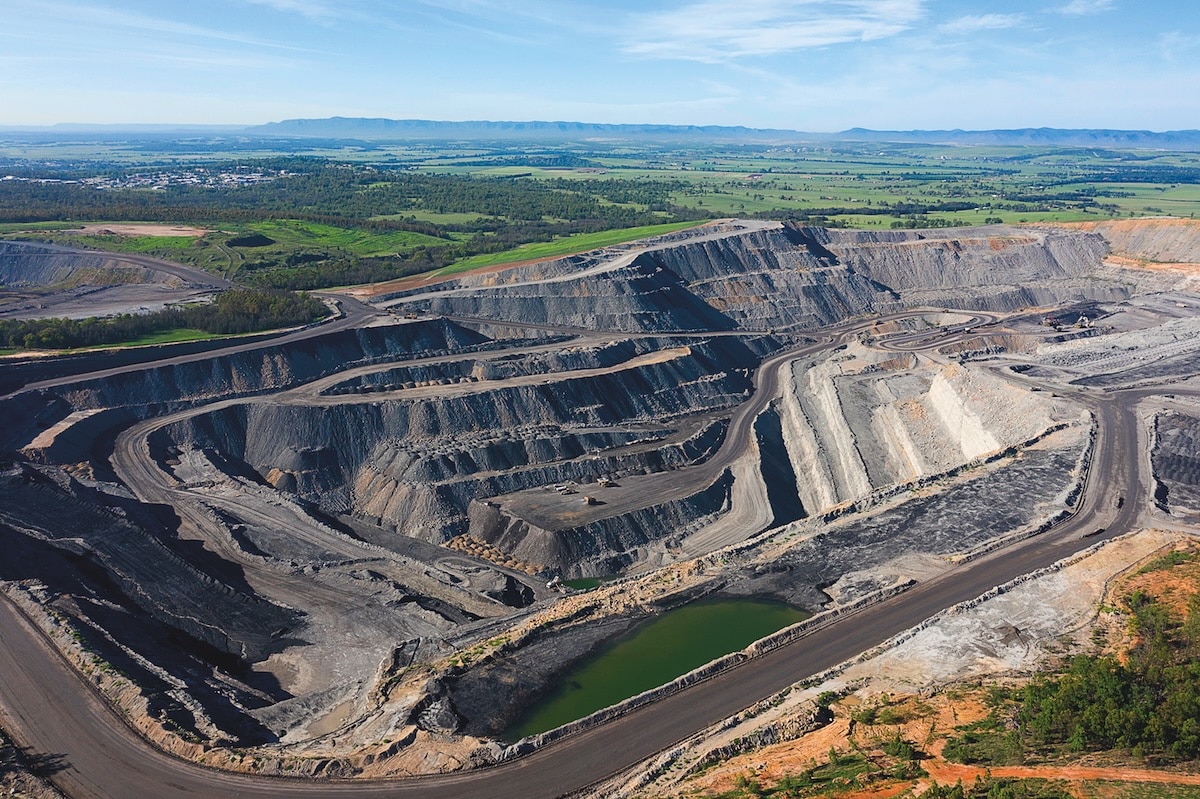
First reported on Australian Mining
30 Second Briefing
New South Wales’ first coal industry Skills Audit shows over 60 per cent of the state’s coal workforce is based in the Hunter Valley, with 93 per cent of those workers also residing locally, confirming a highly regionalised labour pool. The audit maps roles across open-cut and underground operations, coal handling and preparation plants, and maintenance trades, identifying critical skills in mine planning, dragline and shovel operation, and CHPP process control. Findings signal that any production, automation or closure decisions in NSW coal will have concentrated workforce impacts in Hunter communities.
Technical Brief
- Workforce mapping supports scenario planning for automation, ensuring supervision and emergency response coverage remain adequate.
- Concentration of specialised operators raises risk of simultaneous skill loss affecting critical controls if multiple sites downsize.
- Audit outputs can be overlaid with fatigue, roster and travel-time data to refine risk profiles.
- Findings provide a baseline to align training, refresher intervals and competency assurance with site principal hazard plans.
- Similar skills audits in other coal basins could de-risk transition planning by quantifying safety‑sensitive labour dependencies.
Our Take
With more than 60 per cent of the coal workforce based in the Hunter Valley and 93 per cent living locally, NSW coal has a far higher local residency rate than many FIFO-heavy regions covered in our broader Mining category, which tends to lock in community dependence on coal-related employment.
The strong regional concentration of coal workers in New South Wales means that any safety innovations highlighted in other Australian Mining coverage—such as real-time separation of people and plant from the 20 September 2026 risk-management piece—are likely to have outsized social and political impact if adopted here.
Given that coal is one of the more frequently tagged commodities in our 62 keyword-matched pieces, the Hunter Valley workforce profile will be closely watched as a test case for how established coal regions manage the twin pressures of safety expectations and long-term transition planning.
Prepared by collating external sources, AI-assisted tools, and Geomechanics.io’s proprietary mining database, then reviewed for technical accuracy & edited by our geotechnical team.
Related Articles

Related Industries & Products
Mining
Geotechnical software solutions for mining operations including CMRR analysis, hydrogeological testing, and data management.
Tunnelling
Specialised solutions for tunnelling projects including grout mix design, hydrogeological analysis, and quality control.
CMRR-io
Streamline coal mine roof stability assessments with our cloud-based CMRR software featuring automated calculations, multi-scenario analysis, and collaborative workflows.
HYDROGEO-io
Comprehensive hydrogeological testing platform for managing, analysing, and reporting on packer tests, lugeon values, and hydraulic conductivity assessments.
GEODB-io
Centralised geotechnical data management solution for storing, accessing, and analysing all your site investigation and material testing data.