Neso’s record week of EMNs: capacity risk and grid design notes for engineers
Reviewed by Joe Ashwell
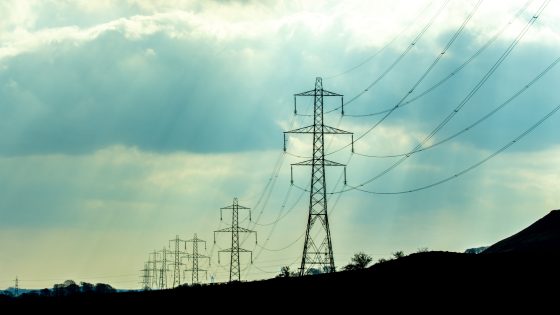
First reported on New Civil Engineer
30 Second Briefing
A record-breaking number and volume of electricity margin notices (EMNs) have been issued this week by the National Energy System Operator (Neso), signalling unusually tight capacity conditions on the GB grid. One EMN remains live today (26 November), indicating that available generation and interconnector imports are running close to forecast peak demand. Grid and civil engineers can expect increased scrutiny of network constraints, connection timings and reinforcement schemes as Neso leans more heavily on demand-side response and short-notice dispatchable plant.
Technical Brief
- EMNs trigger formal operational safety margins, compelling Neso to secure contingency generation and reserve.
- Each notice requires quantified assessment of credible loss-of-infeed events and system fault ride-through capability.
- Operational planning must verify N-1 and, where relevant, N-2 security under GB Security and Quality of Supply Standards.
- Protection settings and automatic low-frequency demand disconnection schemes are stress-tested during EMN conditions.
- Grid code compliance of fast-acting assets (batteries, OCGTs, pumped storage) becomes critical to manage transient stability.
- Civil and electrical works on substations and overhead lines may face restricted outage windows during EMNs for safety.
- Site emergency procedures for live construction near energised assets need review when system margins are constrained.
Our Take
Recent pieces in our database show Neso simultaneously warning about long‑term grid capacity needs (e.g. the October 2026 nuclear and 2030s transmission assessments) and dealing with short‑term security-of-supply events, so a ‘record-breaking’ week of capacity actions likely reflects both structural constraints and tighter real-time operating margins.
The Ofgem review of the 22 June heatwave, which found unresolved risks to Great Britain’s electricity security while clearing Neso of specific allegations, suggests that high volumes of capacity interventions will be scrutinised not just for outcomes but for how they evidence risk management and contingency planning.
Coverage linking Neso to interconnector use with France after an NGET outage overrun indicates that aggressive capacity actions can have cross‑border and contractual implications, so a spike in such actions may feed into future debates on interconnector reliance versus domestic reinforcement of the 400 kV backbone highlighted in Neso’s 2030s needs assessment.
Prepared by collating external sources, AI-assisted tools, and Geomechanics.io’s proprietary mining database, then reviewed for technical accuracy & edited by our geotechnical team.
Related Articles


Related Industries & Products
Construction
Quality control software for construction companies with material testing, batch tracking, and compliance management.
Mining
Geotechnical software solutions for mining operations including CMRR analysis, hydrogeological testing, and data management.
QCDB-io
Comprehensive quality control database for manufacturing, tunnelling, and civil construction with UCS testing, PSD analysis, and grout mix design management.