Mott MacDonald–Roughan & O’Donovan Irish Rail deal: workload signals for geotechnical teams
Reviewed by Tom Sullivan
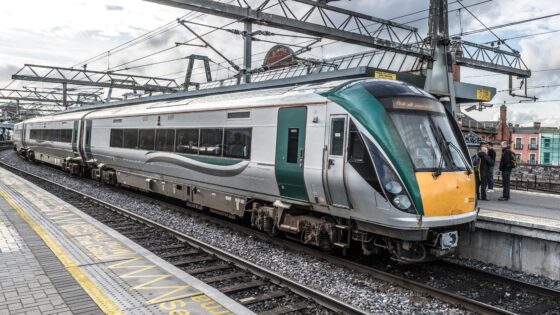
First reported on New Civil Engineer
30 Second Briefing
Mott MacDonald and Dublin-based Roughan & O’Donovan have been appointed to Iarnród Éireann’s new multi-party framework for multidisciplinary project consultancy, valued at about €600M (£515M). The long-term framework will support rail infrastructure planning, design and delivery across the Irish network, covering track, structures, stations and systems. For geotechnical and civil teams, this signals a substantial pipeline of investigation, ground engineering and structural assessment work tied to capacity upgrades and asset renewals.
Technical Brief
- Multi-party structure implies competitive mini-tenders for each package, affecting design programming and resource planning.
- Scope is likely to bundle geotechnical investigation, permanent works design and construction-phase services under single commissions.
- Long-term framework arrangement enables standardised design details and specifications across multiple rail corridors and stations.
- For ground engineering teams, expect recurring needs for trackbed renewal design, formation treatment and drainage upgrades.
- Structural specialists can anticipate portfolio-level assessment and strengthening strategies for ageing bridges and culverts.
Our Take
Across our infrastructure coverage, Mott MacDonald increasingly appears on complex, multi-asset programmes (Auckland motorways, UK bridges, nuclear siting), so its selection by Iarnród Éireann signals that the framework will probably tackle resilience, climate adaptation and capacity constraints at network scale.
With this Irish Rail consultancy framework sitting at the upper end of programme values in our database, it is likely to shape the pipeline for geotechnical, civils and systems design work in Ireland’s rail sector for several years, giving firms like Roughan & O’Donovan a platform to deepen rail-specialist capability.
Prepared by collating external sources, AI-assisted tools, and Geomechanics.io’s proprietary mining database, then reviewed for technical accuracy & edited by our geotechnical team.


