Low‑carbon concrete for infrastructure: design and durability notes for engineers
Reviewed by Joe Ashwell
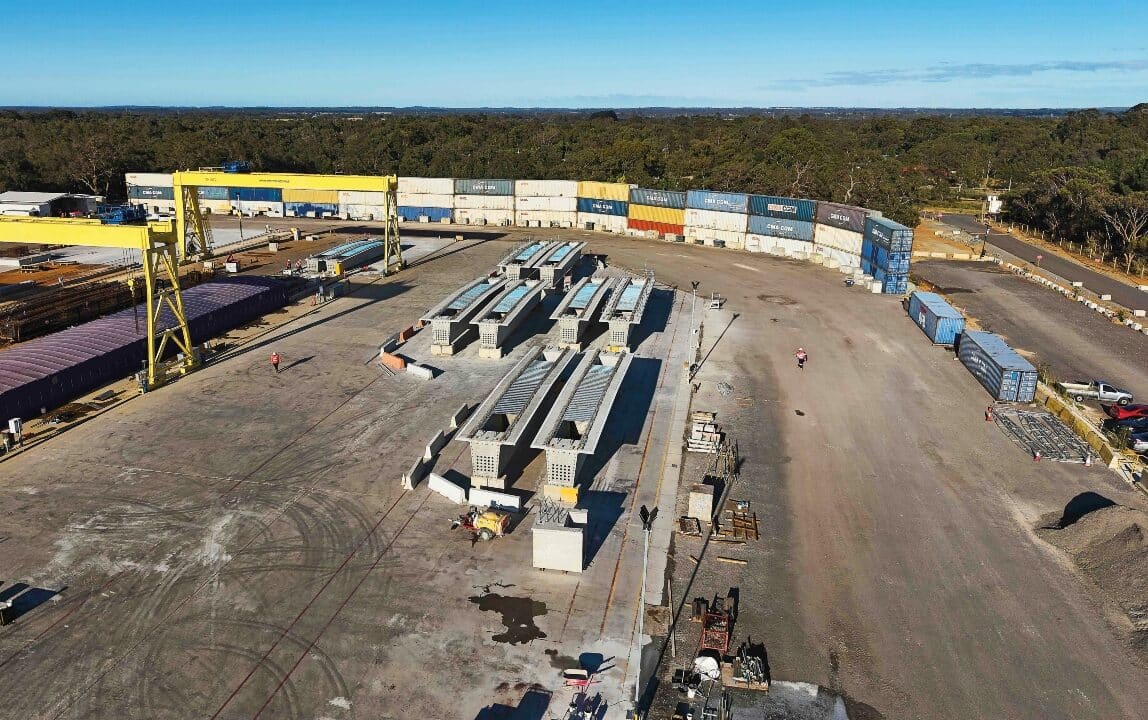
First reported on Roads & Infrastructure (AU)
30 Second Briefing
Western Australia’s circular-economy approach is pushing low‑carbon concrete from trials into major road and bridge works by combining precast elements with alternative binders and recycled aggregates to cut Portland cement use. State agencies, local councils and suppliers are jointly validating mixes through performance‑based specifications, durability testing and field pilots rather than prescriptive cement limits. For designers and contractors, the shift means earlier materials engagement, more emphasis on embodied‑carbon baselines, and careful verification of curing, strength gain and long‑term durability for precast infrastructure components.
Technical Brief
- Mix developers are targeting compatibility with existing precast moulds and reinforcement cages to avoid retooling costs.
- Asset owners are seeking whole‑of‑life cost comparisons, including maintenance intervals, for low‑carbon versus conventional precast elements.
Our Take
National Precast features repeatedly in our infrastructure coverage, including skills development via the new precast-specific Certificate III pathway (June 2026), which suggests the sector is gearing up its workforce to handle more advanced, lower-carbon mix designs and manufacturing methods.
Recent Roads & Infrastructure Magazine pieces on large projects such as the M12 Motorway and the Sydney Metro Viaduct show precast as the default for major transport works, so any low‑carbon concrete solutions promoted here are likely to scale quickly across New South Wales and Western Australia once they are proven in precast supply chains.
Prepared by collating external sources, AI-assisted tools, and Geomechanics.io’s proprietary mining database, then reviewed for technical accuracy & edited by our geotechnical team.
Related Articles


Related Industries & Products
Construction
Quality control software for construction companies with material testing, batch tracking, and compliance management.
Mining
Geotechnical software solutions for mining operations including CMRR analysis, hydrogeological testing, and data management.
QCDB-io
Comprehensive quality control database for manufacturing, tunnelling, and civil construction with UCS testing, PSD analysis, and grout mix design management.