Lincolnshire 1.2km track renewal: possessions and reliability lessons for engineers
Reviewed by Joe Ashwell
First reported on New Civil Engineer
30 Second Briefing
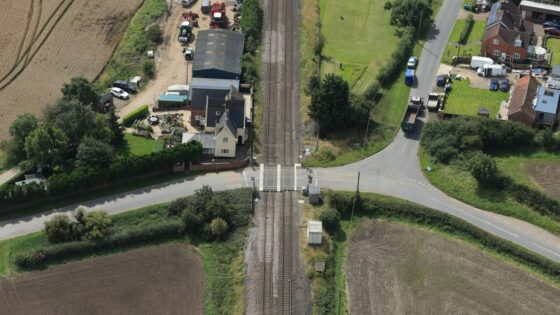
Network Rail will invest £1.5M to renew nearly 1.2km of track near Snelland, Lincolnshire, targeting a known reliability bottleneck on the rural route. Works are expected to include replacement of life‑expired rail, sleepers and ballast, plus tamping to restore line geometry and improve ride quality. Track engineers will need to manage possessions on a single‑line section, with construction sequencing and temporary speed restrictions critical to keeping freight and regional passenger services running during the upgrade.
Technical Brief
- Track access will rely on planned possessions and isolations under standard Rule Book and CDM procedures.
- Ballast and sleeper replacement will trigger mandatory post‑renewal geometry verification using tamping records and track recording runs.
- Temporary speed restrictions must be engineered to maintain braking distances and sighting at rural crossings.
- Lessons on planning safe access on lightly used single lines are directly applicable to other rural renewals.
Our Take
Network Rail’s 1.2km renewal in Lincolnshire sits alongside another recent scheme in the county – a £1.4M upgrade of over 730m of track between Hubbert’s Bridge and Swineshead – signalling a concentrated push on known weak spots on secondary routes rather than just core intercity corridors.
Across our Infrastructure coverage, Network Rail’s current works range from short track renewals like this Lincolnshire job to earthworks and overhead line replacements, indicating that asset managers are bundling discrete, possession-friendly interventions rather than waiting for large, multi-year corridor rebuilds.
For contractors, the repeated appearance of Lincolnshire and other regional locations in our database suggests that smaller, geographically dispersed packages of track work are likely to remain a steady pipeline, favouring firms set up for rapid mobilisation and short possessions rather than mega-project delivery models.
Prepared by collating external sources, AI-assisted tools, and Geomechanics.io’s proprietary mining database, then reviewed for technical accuracy & edited by our geotechnical team.
Related Articles


Related Industries & Products
Construction
Quality control software for construction companies with material testing, batch tracking, and compliance management.
Mining
Geotechnical software solutions for mining operations including CMRR analysis, hydrogeological testing, and data management.
QCDB-io
Comprehensive quality control database for manufacturing, tunnelling, and civil construction with UCS testing, PSD analysis, and grout mix design management.