Komatsu hybrid excavators: fuel, emissions and opex takeaways for road engineers
Reviewed by Tom Sullivan
First reported on Roads & Infrastructure (AU)
30 Second Briefing
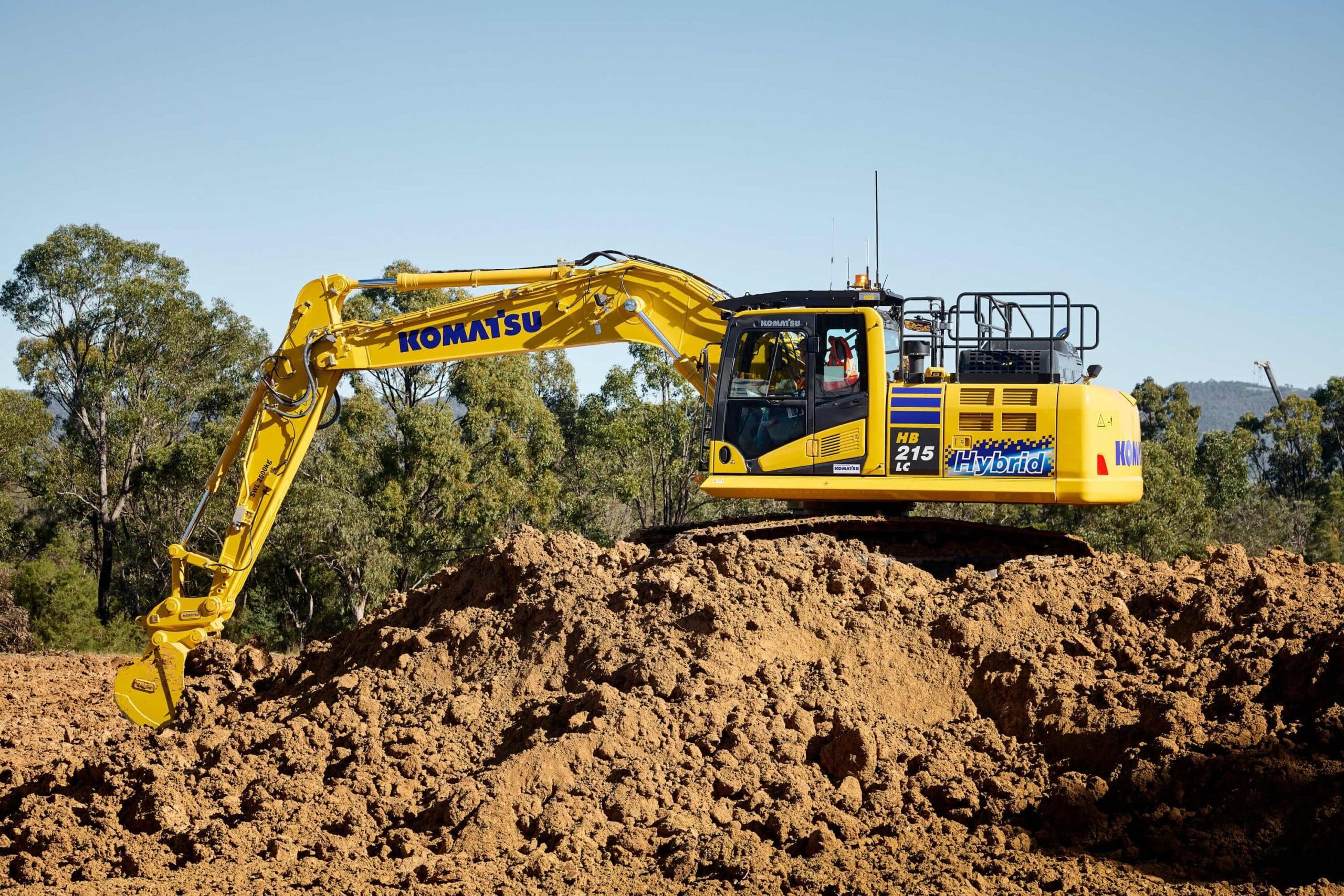
Komatsu is promoting its hybrid excavator as a lower fuel-burn option for contractors exposed to volatile diesel prices and tight margins, a concern that intensified when global crude oil peaked in 2008 and disrupted Australian construction logistics. The machine couples a conventional hydraulic system with an electric swing motor and energy recovery system, cutting fuel use and CO₂ emissions compared with standard diesel excavators in high-cycling earthworks. For civil and road projects, the main implications are reduced operating expenditure per cubic metre moved and improved compliance with emerging emissions and noise limits on urban sites.
Technical Brief
- Lower engine utilisation can extend overhaul intervals, affecting whole-of-life cost modelling for plant fleets.
- Similar hybrid architectures are being evaluated for other earthmoving classes where swing dominates duty cycles.
Our Take
Komatsu’s sustainability framing around crude oil exposure sits alongside several recent items in our database where the company is pushing hybrid-electric or guidance-optimised fleets, such as the FLANDERS hybrid control retrofit on a Komatsu 930E haul truck, signalling a gradual pivot away from pure diesel performance metrics.
Prepared by collating external sources, AI-assisted tools, and Geomechanics.io’s proprietary mining database, then reviewed for technical accuracy & edited by our geotechnical team.


