Insurance-backed credit in Australia: project finance takeaways for contractors
Reviewed by Tom Sullivan
First reported on Roads & Infrastructure (AU)
30 Second Briefing
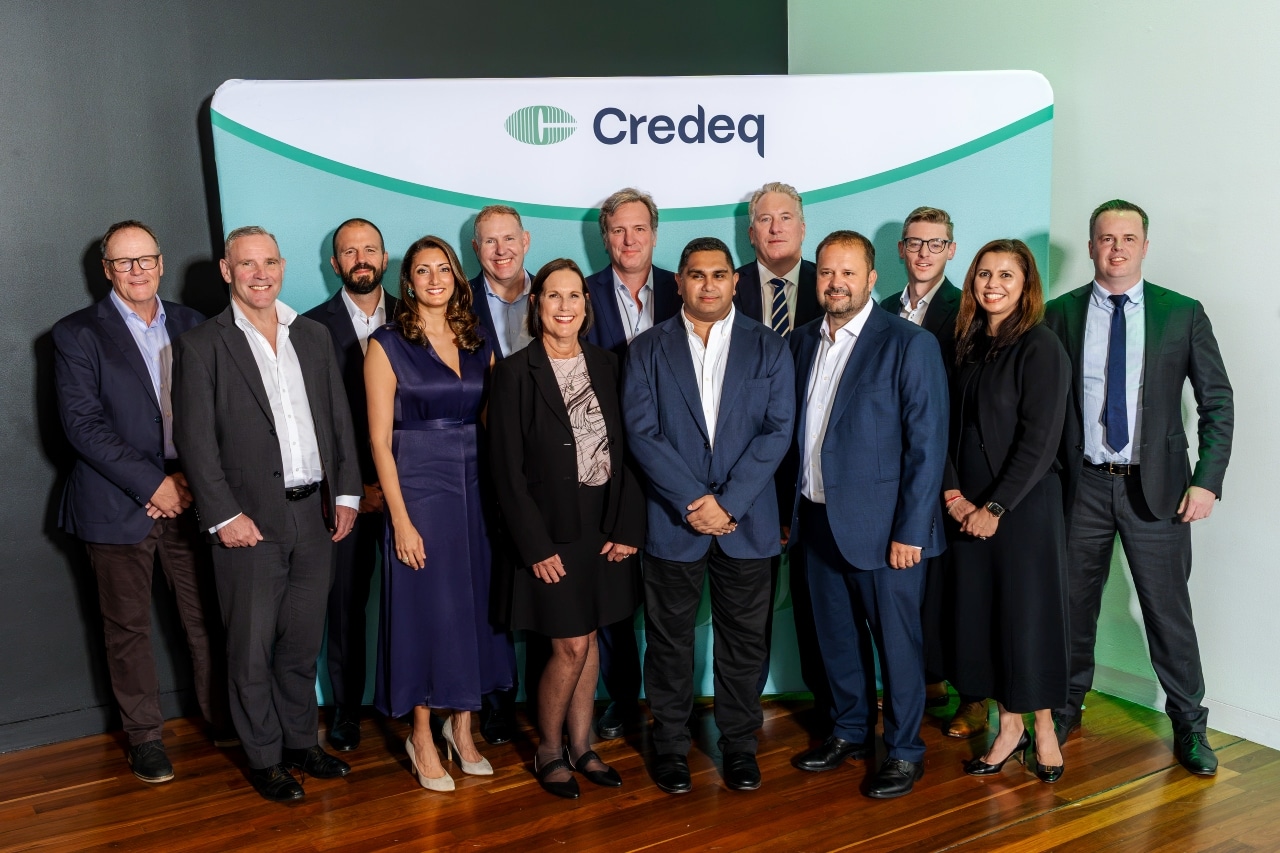
Australian businesses facing higher funding costs, tighter bank credit and working capital strain are turning to insurance-backed trade credit facilities instead of cash-backed guarantees and traditional overdrafts. Credeq has launched in Australia as a global underwriting management agency, structuring credit insurance and related risk solutions that allow contractors and suppliers to unlock additional bank limits and free up cash tied in performance bonds or retention. For infrastructure and construction firms, this can support larger project pipelines and longer payment terms without breaching covenant or security constraints.
Technical Brief
- Credeq operates as a global underwriting management agency, structuring bespoke credit insurance programmes for corporates.
- Facilities are arranged via specialist underwriters rather than direct bank balance sheet exposure.
- Structures can incorporate performance risk, counterparty default risk and contract frustration within a single policy.
- Credit insurance limits are typically assigned per buyer or project counterparty, aligned to contract values and tenors.
- Policies are designed to be bank‑assignable, allowing lenders to treat insured receivables as enhanced collateral.
- Infrastructure and construction clients can ring‑fence project receivables risk from parent balance sheet covenants.
Our Take
Credeq appears repeatedly in our infrastructure coverage as a niche provider of unsecured guarantee and surety capacity, signalling that non-bank risk instruments are becoming a structural feature of how Australian contractors manage balance sheet constraints on bids.
Across the 920 Infrastructure stories in our database, Australia-focused pieces that mention financing tools rather than specific projects are relatively rare, suggesting this shift in insurance-backed credit is being treated by practitioners as a notable change in how projects are banked rather than routine procurement detail.
Prepared by collating external sources, AI-assisted tools, and Geomechanics.io’s proprietary mining database, then reviewed for technical accuracy & edited by our geotechnical team.


