Geomechanics.io

  • Free Tools
Sign UpLog In
Built byBoxcut Studio

Geomechanics.io

Geomechanics, Streamlined.

© 2026 Geomechanics.io. All rights reserved.

Geomechanics.io

CMRR-ioGEODB-ioHYDROGEO-ioQCDB-ioFree Tools & CalculatorsBlogLatest Industry News

Industries

MiningConstructionTunnelling

Company

Terms of UsePrivacy PolicyLinkedIn
    Projects
    Sustainability

    InCapture–Yara Pilbara offshore CO₂ storage: design and risk notes for project teams

    August 30, 2026|

    Reviewed by Tom Sullivan

    InCapture–Yara Pilbara offshore CO₂ storage: design and risk notes for project teams

    First reported on International Mining – News

    30 Second Briefing

    InCapture and Yara Pilbara Fertilisers have signed a non-binding MoU to evaluate large-scale offshore carbon storage infrastructure for industrial emitters in Western Australia’s Pilbara region. The partners will study technical options for multi-user CO₂ transport and injection, along with regulatory approvals for offshore storage permits and long-term liability. Outcomes could shape future capture hubs for gas, fertiliser and mining operations in the Pilbara, influencing pipeline routing, injection well design and integration with existing process plants.

    Technical Brief

    • MoU frames work on technical, regulatory and commercial pathways rather than committing to construction.
    • Offshore storage concept targets shared infrastructure for multiple industrial emitters, not a single-asset solution.

    Our Take

    For Western Australia, offshore CO₂ storage infrastructure linked to a fertiliser producer like Yara Pilbara could later be leveraged by nearby LNG and mining operations, creating shared transport and storage corridors rather than project-by-project solutions.

    In our database of 2,493 tag-matched ‘Projects’ and ‘Sustainability’ items, most industrial decarbonisation efforts still focus on renewables and electrification; testing offshore storage in the Pilbara positions this initiative in a smaller subset that is actively probing long-term geological sequestration options as part of regional industrial planning.

    Geotechnical Software for Modern Teams

    Centralise site data, logs, and lab results with GEODB-io, CMRR-io, and HYDROGEO-io.

    Cancel at any time.

    • Save and export unlimited calculations
    • Advanced data visualisation
    • Generate professional PDF reports
    • Cloud storage for all your projects

    Prepared by collating external sources, AI-assisted tools, and Geomechanics.io’s proprietary mining database, then reviewed for technical accuracy & edited by our geotechnical team.

    Related Articles
    PFAS ‘forever chemical’ cuts in England’s rivers: design implications for treatment works
    Environmental
    2 days ago

    PFAS ‘forever chemical’ cuts in England’s rivers: design implications for treatment works

    Levels of two per- and polyfluoroalkyl substances (PFAS) in England’s rivers have fallen by about 30% over the past decade, according to new Environment Agency monitoring data. The assessment points to improved control at industrial discharge points and some wastewater treatment works, but also identifies gaps where conventional plants lack advanced PFAS removal processes such as activated carbon or high-pressure membrane treatment. For civil and environmental engineers, the findings signal likely future upgrades to sewage works, tighter discharge consents and more stringent design criteria for treatment infrastructure.

    Thames Water’s 100‑day drought: reservoir and aquifer stress for water engineers
    Environmental
    10 days ago

    Thames Water’s 100‑day drought: reservoir and aquifer stress for water engineers

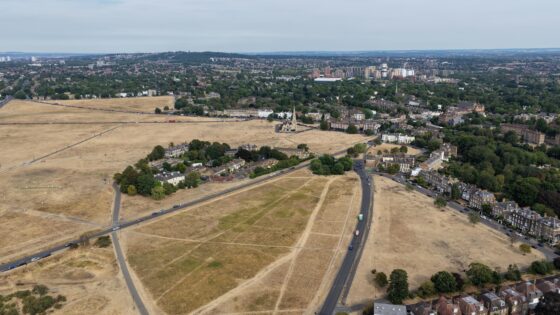
    Thames Water has reached 100 days since declaring a drought across London and the Thames Valley, with key storage such as the Farmoor and Queen Mary reservoirs still below long‑term average levels despite recent rainfall. Groundwater in several Chalk and Thames Gravels aquifers remains depressed, limiting recharge to strategic sources and sustaining pressure on abstraction licences. Civil and water engineers face continued constraints on network planning, leakage control and future resilience schemes, with no immediate scope to relax existing demand‑management measures.

    Rio Tinto Pilbara cane toad barrier: environmental risk lens for mine planners
    Environmental
    12 days ago

    Rio Tinto Pilbara cane toad barrier: environmental risk lens for mine planners

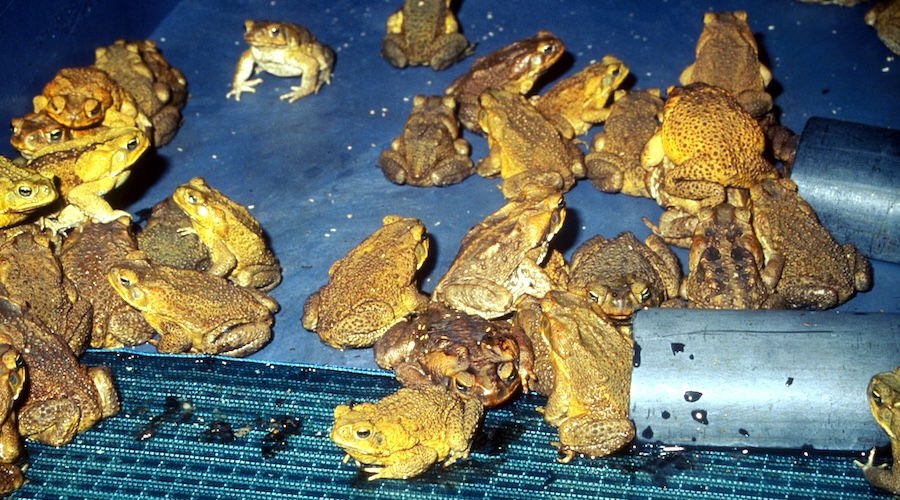
    Rio Tinto and its Rhodes Ridge Joint Venture partners are committing A$28 million over five years to establish a 7,500‑sq‑km Toad Containment Zone between the Indian Ocean and the Great Sandy Desert, modifying or decommissioning 685 pastoral water points to block cane toads before they reach the Pilbara iron ore province. The barrier is intended to protect about 27 million hectares of habitat and at least 25 vulnerable native species, including northern quolls and ghost bats, from a projected invasion within two decades. For miners, success could avoid materially higher environmental approval hurdles and long‑term compliance costs tied to ecosystem damage and Indigenous cultural impacts on bush tucker species such as goannas.

    Related Industries & Products

    Mining

    Geotechnical software solutions for mining operations including CMRR analysis, hydrogeological testing, and data management.

    Construction

    Quality control software for construction companies with material testing, batch tracking, and compliance management.

    CMRR-io

    Streamline coal mine roof stability assessments with our cloud-based CMRR software featuring automated calculations, multi-scenario analysis, and collaborative workflows.

    HYDROGEO-io

    Comprehensive hydrogeological testing platform for managing, analysing, and reporting on packer tests, lugeon values, and hydraulic conductivity assessments.

    GEODB-io

    Centralised geotechnical data management solution for storing, accessing, and analysing all your site investigation and material testing data.

    AllGeotechnicalInfrastructureHazardsEnvironmental