Hydrogen future at Port of Tilbury: practical lessons for major civils power
Reviewed by Tom Sullivan
First reported on The Construction Index
30 Second Briefing
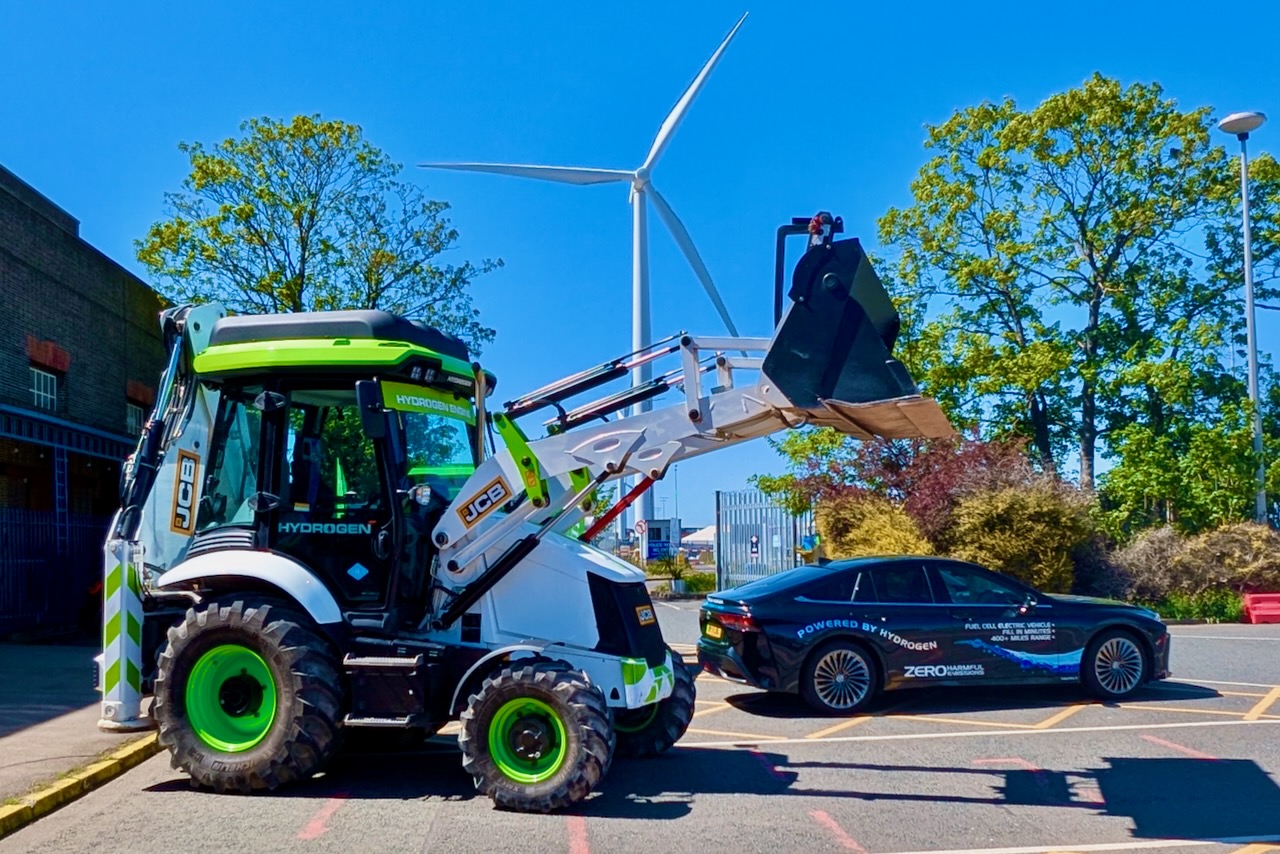
A new green hydrogen production hub at the Port of Tilbury is already fuelling construction equipment on National Highways’ Lower Thames Crossing, providing on-site low‑carbon power for major civils. JCB, GeoPura and Toyota demonstrated hydrogen-powered plant and supply-chain solutions at the port, signalling a shift from diesel generators towards electrolyser-based, containerised power units. For geotechnical and civil contractors, the project offers a live testbed for hydrogen logistics, refuelling regimes and emissions reduction on large linear infrastructure works.
Technical Brief
- For future linear infrastructure, the Tilbury model suggests centralised port‑based hydrogen hubs feeding dispersed work fronts.
Our Take
JCB’s role at the Lower Thames Crossing and Port of Tilbury hydrogen hub aligns with its recent hydrogen ICE generator deployment for Dawsongroup Energy Solutions, signalling that it is now testing hydrogen power both in controlled energy projects and on major civil infrastructure sites.
Across our 21 hydrogen‑tagged pieces, most activity has focused on power generation and transport fleets; using a green hydrogen production hub to support a large road scheme suggests construction plant and site operations are becoming a serious early‑stage demand centre for the fuel.
Recent coverage of JCB’s electric mini excavators and emissions verification on generators indicates the company is hedging across multiple low‑carbon technologies, so National Highways’ hydrogen work here is likely to be one of several parallel decarbonisation pathways rather than a single‑technology bet.
Prepared by collating external sources, AI-assisted tools, and Geomechanics.io’s proprietary mining database, then reviewed for technical accuracy & edited by our geotechnical team.


