Hino 300 Series Hybrid Electric: fleet design and cost notes for engineers
Reviewed by Joe Ashwell
First reported on Roads & Infrastructure (AU)
30 Second Briefing
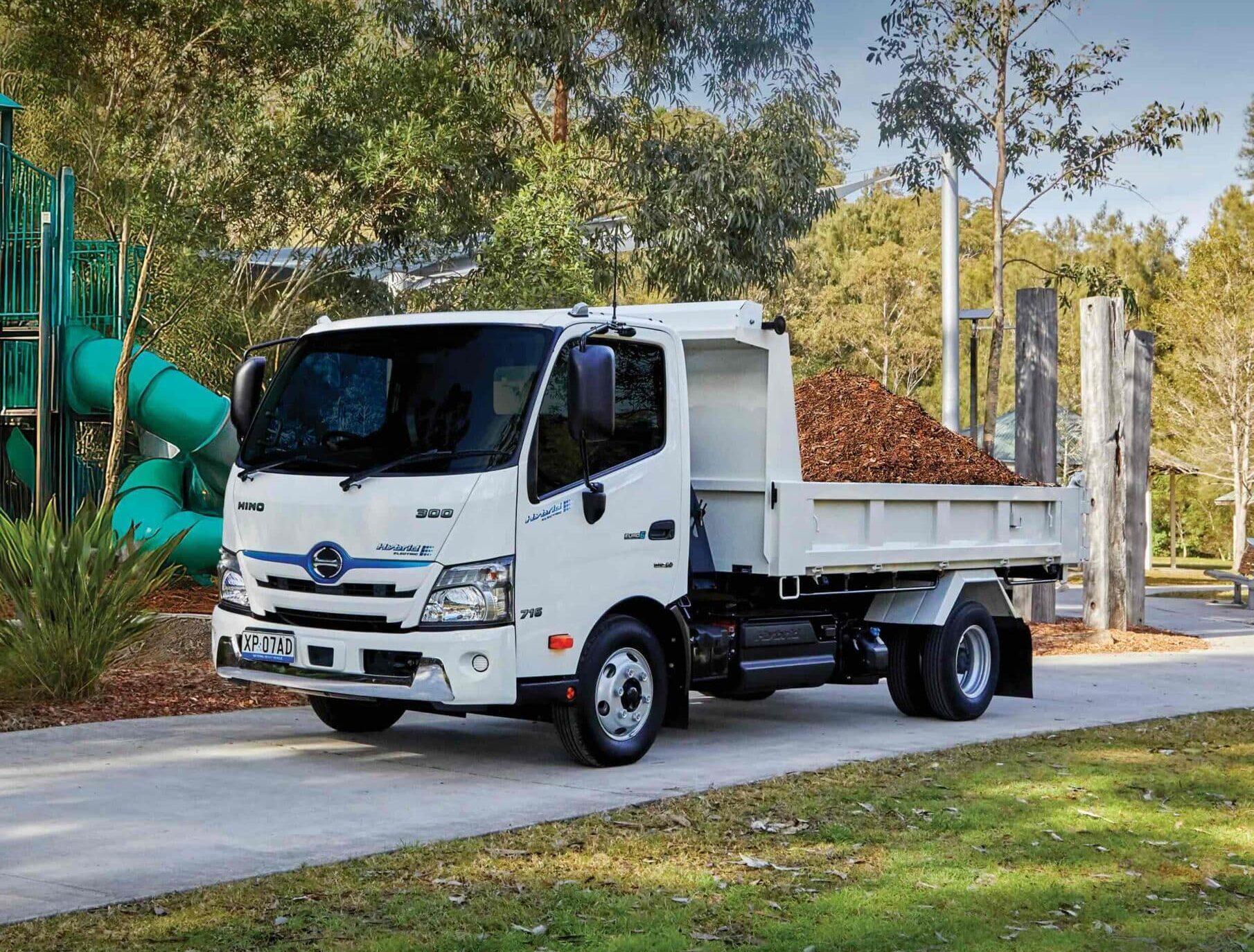
Hino is promoting its 300 Series Hybrid Electric trucks as a more practical option than full battery-electric for Australian commercial fleets facing less than 250-kilometre range limits and high charging infrastructure costs. The diesel-electric hybrid driveline targets urban and regional distribution tasks where stop–start duty cycles allow regenerative braking to cut fuel use and emissions without relying on public charging networks. For fleet engineers, the key appeal is lower upfront capital outlay than full BEVs while retaining conventional refuelling, known residual values and existing workshop practices.
Technical Brief
- Hybrid driveline pairs a small traction battery with conventional diesel engine and automatic transmission.
- Regenerative braking harvests energy during deceleration to support electric launch and low‑speed operation.
- Parallel hybrid layout allows direct mechanical drive from the diesel at steady cruise speeds.
- Electric assistance is tuned for stop–start urban cycles typical of council, delivery and service fleets.
- Existing diesel refuelling infrastructure and workshop tooling remain usable, limiting depot modification requirements.
- Known engine and driveline architecture simplifies compliance with current heavy vehicle maintenance and inspection regimes.
- For municipal and construction fleets, hybrid trucks offer a transitional step while grid charging networks mature.
Our Take
In our infrastructure database, HINO’s 300 Series Hybrid Electric is one of the few light truck offerings explicitly framed as a response to the sub‑250 km range constraint on full battery electric trucks, signalling OEMs see hybrids as a practical bridge technology for Australian urban and peri‑urban freight tasks.
The related August 2026 piece on the 300 Series Hybrid Electric Tipper Pro suggests HINO is targeting construction and small civil contractors specifically, which could make hybrids more visible on roadwork and minor infrastructure sites than fully electric trucks in the near term.
Prepared by collating external sources, AI-assisted tools, and Geomechanics.io’s proprietary mining database, then reviewed for technical accuracy & edited by our geotechnical team.
Related Articles


Related Industries & Products
Construction
Quality control software for construction companies with material testing, batch tracking, and compliance management.
Mining
Geotechnical software solutions for mining operations including CMRR analysis, hydrogeological testing, and data management.
QCDB-io
Comprehensive quality control database for manufacturing, tunnelling, and civil construction with UCS testing, PSD analysis, and grout mix design management.