Henderson Hall fire restoration: envelope stability and roof rebuild notes for engineers
Reviewed by Joe Ashwell
First reported on The Construction Index
30 Second Briefing
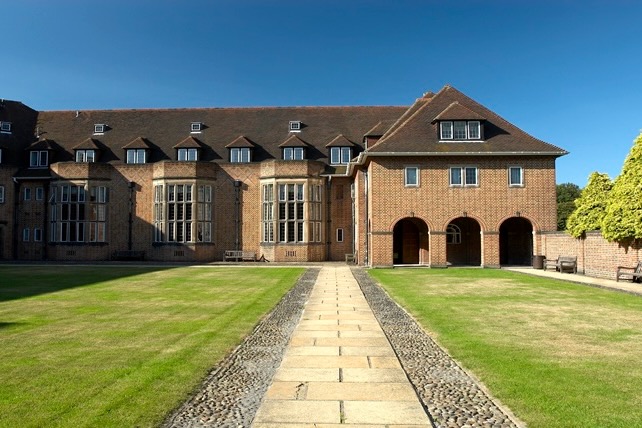
Robertson Construction North East has started restoring Newcastle University’s Grade II listed Henderson Hall, a 1930s former student residence left largely roofless and exposed after a June 2023 fire. Works centre on fully replacing the traditional tiled roof and dormer windows, with Robertson Timber Engineering manufacturing and erecting a new timber roof structure offsite to improve build quality and reduce waste. Additional scope includes structural repairs to the external façade, chimneys and upper-floor party walls, plus stripping water-damaged internal finishes to stabilise the building envelope.
Technical Brief
- Extended exposure without a roof increases risk of freeze–thaw damage, moisture ingress and potential masonry instability.
- Removal of water-damaged internal finishes is a key step to prevent mould, decay and hidden corrosion.
- Offsite-manufactured timber roof elements reduce time working at height, lowering fall and manual handling risks.
Our Take
Robertson Construction North East’s role at Henderson Hall sits alongside its Portland Park leisure build in Ashington (May 2026), signalling that universities and local authorities in the United Kingdom are repeatedly turning to the same Tier-1 regional contractor for both regeneration and complex refurbishment work.
Because Henderson Hall is a 1930s structure with recent fire damage (2023), the restoration is likely to involve intrusive fire-stopping upgrades and timber remediation where Robertson Timber Engineering’s in-house capability can shorten design–build cycles compared with using separate supply chains.
Within our 850 Infrastructure stories, safety-tagged UK university estate projects are relatively sparse, so this Newcastle University job will be a useful reference point for how fire-damaged heritage student accommodation is being brought back into use under current building safety expectations.
Prepared by collating external sources, AI-assisted tools, and Geomechanics.io’s proprietary mining database, then reviewed for technical accuracy & edited by our geotechnical team.


