Final stage of $605M TAS highway upgrades: design and risk notes for engineers
Reviewed by Tom Sullivan
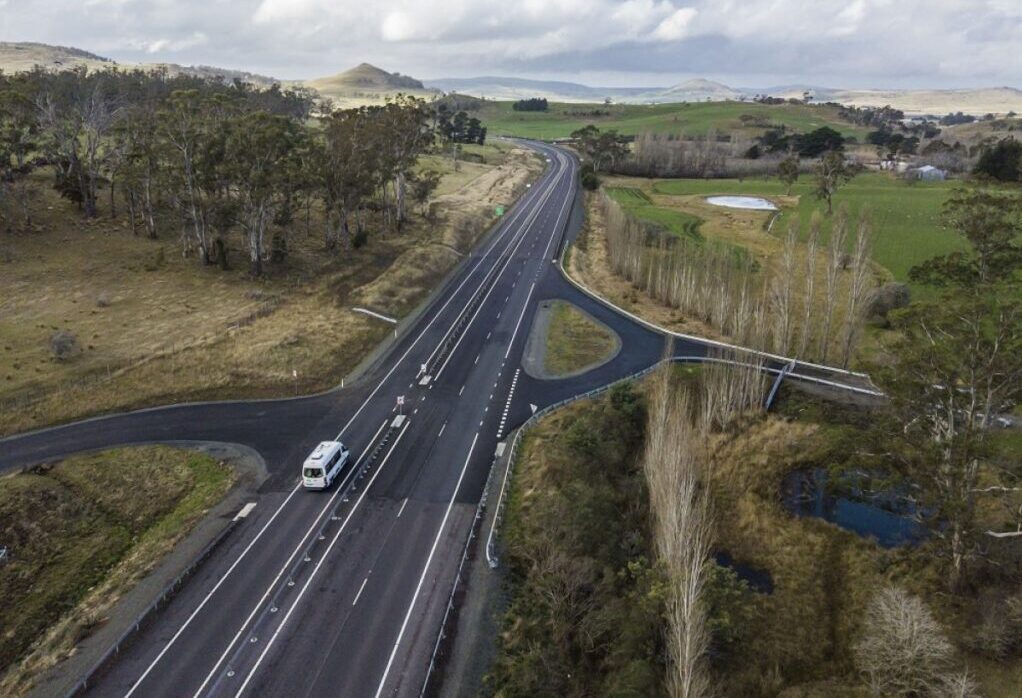
First reported on Roads & Infrastructure (AU)
30 Second Briefing
Final stage works on Tasmania’s $605 million Midland Highway upgrade are set to start after securing approvals under Australia’s Environment Protection and Biodiversity Conservation Act 1999. The project covers about 181 kilometres between Hobart and Launceston, a key freight and tourist corridor carrying heavy road freighters and local traffic. With the Protected Matters Management Plan now cleared, designers and contractors must tightly manage construction impacts on listed species and habitats while delivering final geometry, pavement and safety upgrades.
Technical Brief
- Protected Matters Management Plan conditions will govern work sequencing, access corridors and vegetation clearing limits.
- EPBC Act approval obliges targeted mitigation for listed flora, fauna and habitat during all construction phases.
- Environmental constraints will influence traffic staging layouts, temporary diversions and shoulder closures to maintain corridor safety.
- Construction compounds, laydown areas and spoil stockpiles must be sited to avoid mapped sensitive habitats.
- Fauna-sensitive design is likely to require fencing, underpasses or modified drainage structures at key crossings.
- Night works and lighting levels may be restricted in zones affecting nocturnal or light‑sensitive species.
- Compliance monitoring will require documented inspections, incident reporting and adaptive management for any non‑conformance.
Our Take
For a 181‑kilometre corridor, a $605M program implies a relatively high spend per kilometre compared with many regional highway works in our coverage, signalling a likely emphasis on safety treatments and resilience rather than basic resurfacing alone.
Prepared by collating external sources, AI-assisted tools, and Geomechanics.io’s proprietary mining database, then reviewed for technical accuracy & edited by our geotechnical team.


