Fehmarnbelt tunnel first element: immersion trials and risks for project engineers
Reviewed by Tom Sullivan
First reported on Geoengineer.org – News
30 Second Briefing
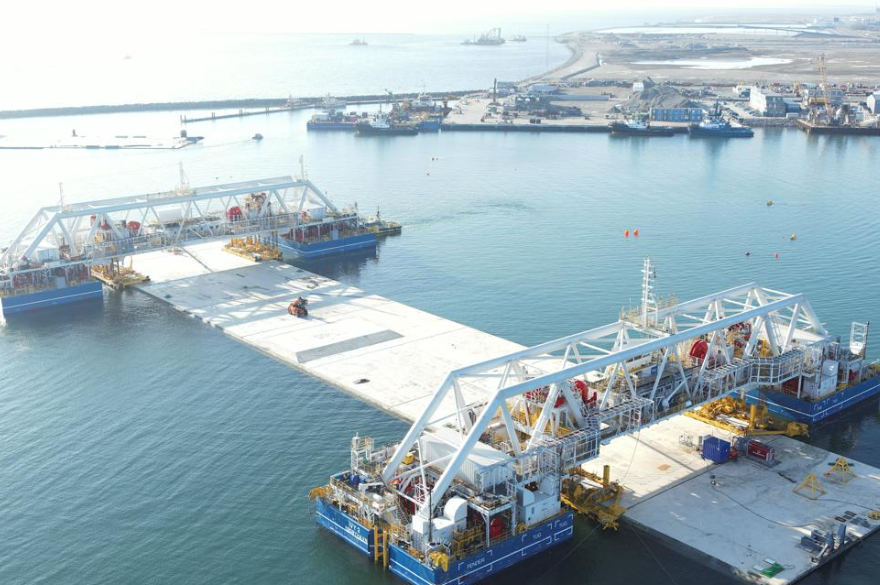
Completion of ballast filling in the first tunnel element of the Fehmarnbelt Fixed Link marks a key step towards immersing the initial section of what will be an 18km immersed road and rail tunnel between Denmark and Germany. The element is the first of 89 standard and special elements to be placed in a dredged trench on the seabed, then covered with gravel and rock armour for stability and scour protection. Engineers now move to immersion trials, critical for tolerances on alignment, settlement behaviour and watertight joint performance.
Technical Brief
- Lessons on controlled immersion, joint sealing and marine risk management are directly transferable to future long immersed-tunnel projects.
Our Take
With 89 tunnel elements planned for the Fehmarnbelt Fixed Link, this sits at the very large end of immersed-tube projects in our infrastructure database, implying complex sequencing for immersion operations and marine traffic management.
The combination of a high element count and the Safety tag suggests regulators and contractors will be under pressure to standardise quality control and emergency response systems across all segments, rather than treating each immersion as a one-off operation.
Prepared by collating external sources, AI-assisted tools, and Geomechanics.io’s proprietary mining database, then reviewed for technical accuracy & edited by our geotechnical team.
Related Articles


Related Industries & Products
Construction
Quality control software for construction companies with material testing, batch tracking, and compliance management.
Tunnelling
Specialised solutions for tunnelling projects including grout mix design, hydrogeological analysis, and quality control.
QCDB-io
Comprehensive quality control database for manufacturing, tunnelling, and civil construction with UCS testing, PSD analysis, and grout mix design management.