Engineering the Highlands’ next chapter: geotechnical takeaways for UK project teams
Reviewed by Joe Ashwell
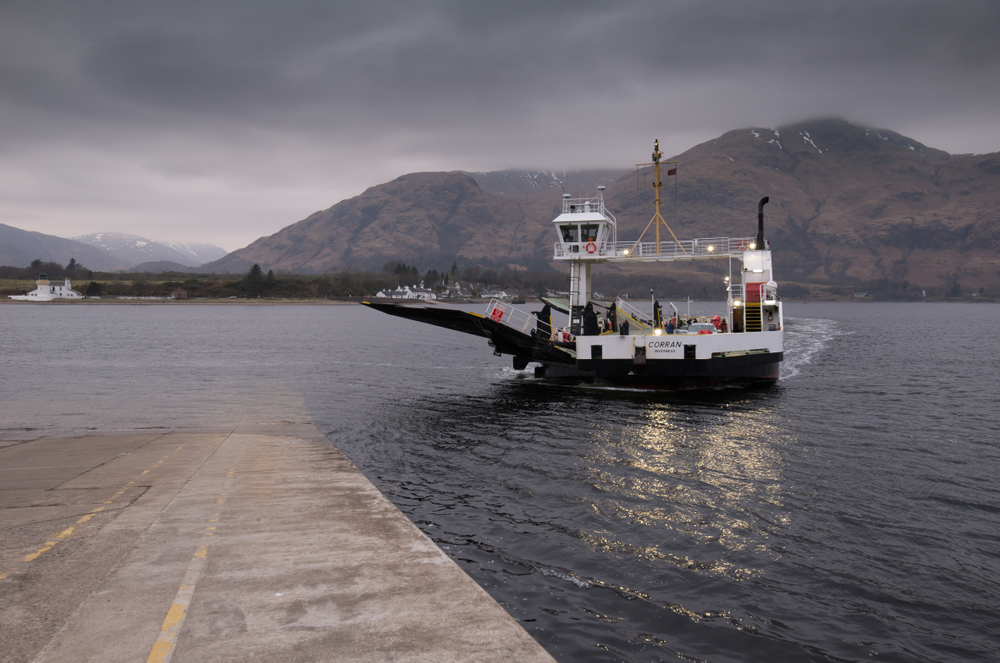
First reported on New Civil Engineer
30 Second Briefing
Scotland’s energy transition is concentrating major grid, port and transport upgrades in the Highlands, positioning the region as a new UK power and hydrogen hub. Developers are advancing large onshore and offshore wind connections, multi‑GW transmission reinforcements and port deepening works to handle heavy turbine components and electrolysers. For civil and geotechnical engineers, this signals sustained demand for foundations in complex glacial soils, coastal protection for upgraded quays, and resilience design for assets exposed to high wind and wave loading.
Technical Brief
- Acceleration is already straining existing Highland transport, grid and port assets beyond their original design envelopes.
- Legacy single‑carriageway trunk roads and weight‑restricted bridges constrain abnormal turbine and transformer movements north.
- Rail freight paths on key Highland lines are limited, forcing greater reliance on long heavy‑haul road convoys.
- Shallow draughts and limited quay bearing capacities at older ports restrict direct landing of large offshore components.
- Many coastal structures pre‑date modern wave and overtopping design criteria, raising questions over future climate resilience.
- Glacially derived soils and peatlands complicate linear infrastructure routing, drainage design and long‑term embankment performance.
- Planning and consenting timeframes for overhead lines and substations are now a critical path risk for delivery.
- For other UK regions, Highland experience foreshadows similar bottlenecks where legacy networks meet rapid energy build‑out.
Our Take
New Civil Engineer’s role as organiser of the British Construction & Infrastructure Awards 2026 suggests that projects in the Highlands and wider North could gain profile through future award cycles, which often help smaller regional schemes attract national contractors and consultants.
Prepared by collating external sources, AI-assisted tools, and Geomechanics.io’s proprietary mining database, then reviewed for technical accuracy & edited by our geotechnical team.
Related Articles


Related Industries & Products
Construction
Quality control software for construction companies with material testing, batch tracking, and compliance management.
Mining
Geotechnical software solutions for mining operations including CMRR analysis, hydrogeological testing, and data management.
QCDB-io
Comprehensive quality control database for manufacturing, tunnelling, and civil construction with UCS testing, PSD analysis, and grout mix design management.