Energy Independence Bill grid measures: design implications for civil teams
Reviewed by Tom Sullivan
First reported on New Civil Engineer
30 Second Briefing
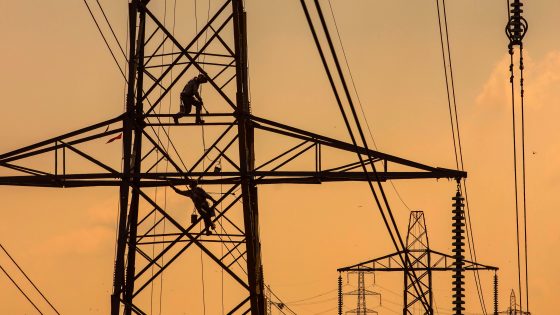
Action to accelerate consenting and investment for major electricity grid upgrades is being packaged into the UK government’s new Energy Independence Bill, introduced to Parliament on 4 November. Measures are expected to target long lead times for National Grid transmission reinforcements, new 400kV corridors and substation expansions needed to connect offshore wind, solar and battery projects. For civil and geotechnical teams, the bill signals a pipeline of large-scale foundations, cable routes and substation platforms likely to move more quickly from planning into detailed design and construction.
Technical Brief
- For similar grid programmes, shortened consent cycles typically shift risk towards design–build contractors on ground conditions and constructability.
Prepared by collating external sources, AI-assisted tools, and Geomechanics.io’s proprietary mining database, then reviewed for technical accuracy & edited by our geotechnical team.
Related Articles


Related Industries & Products
Construction
Quality control software for construction companies with material testing, batch tracking, and compliance management.
Mining
Geotechnical software solutions for mining operations including CMRR analysis, hydrogeological testing, and data management.
QCDB-io
Comprehensive quality control database for manufacturing, tunnelling, and civil construction with UCS testing, PSD analysis, and grout mix design management.