Geomechanics.io

  • Free Tools
Sign UpLog In
Built byBoxcut Studio

Geomechanics.io

Geomechanics, Streamlined.

© 2026 Geomechanics.io. All rights reserved.

Geomechanics.io

CMRR-ioGEODB-ioHYDROGEO-ioQCDB-ioFree Tools & CalculatorsBlogLatest Industry News

Industries

MiningConstructionTunnelling

Company

Terms of UsePrivacy PolicyLinkedIn
    Product
    Projects

    Cummins ‘50’ mining engines at 100 years: lifecycle cost lessons for fleets

    October 20, 2026|

    Reviewed by Tom Sullivan

    Cummins ‘50’ mining engines at 100 years: lifecycle cost lessons for fleets

    First reported on Australian Mining

    30 Second Briefing

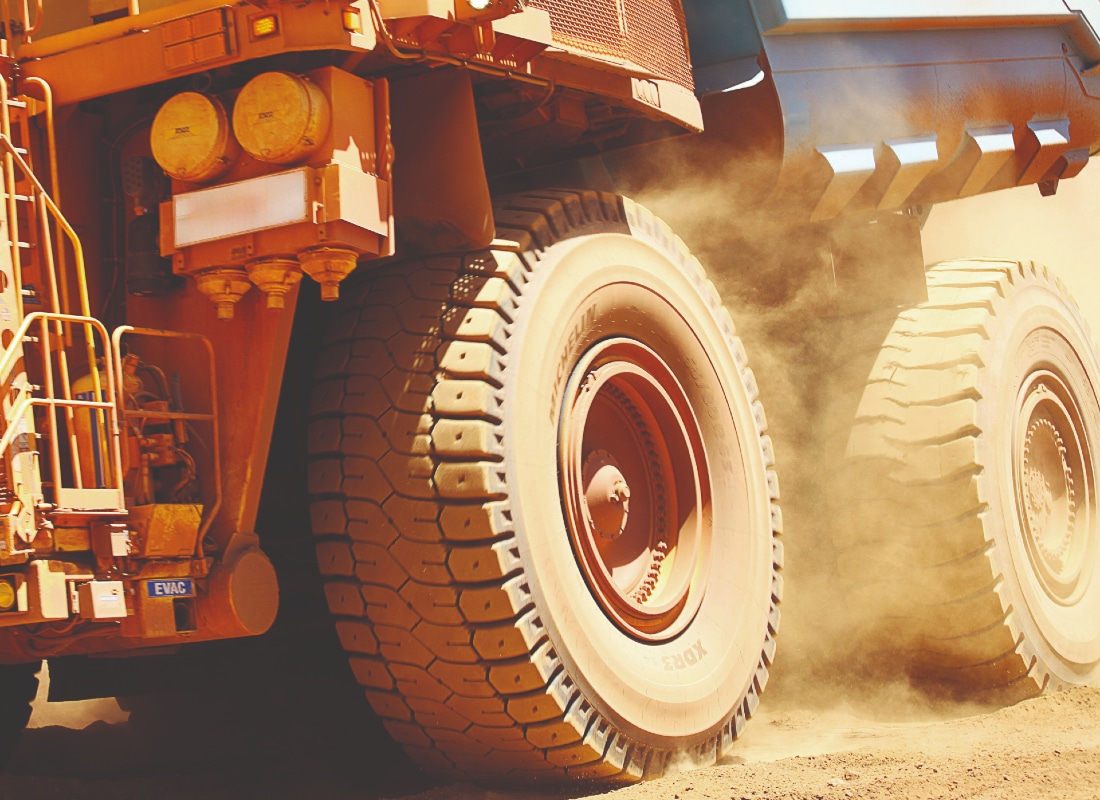
    Cummins marks 100 years in mining off the back of its “50” platform engines, which power ultra-class haul trucks and loaders with outputs above 1500hp and are designed for high-load, high-dust duty cycles. The company ties engine durability to long-term customer partnerships, bundling condition-based maintenance, rebuild programmes and parts logistics to keep large fleets running at high availability. For mine operators, the focus is on lifecycle cost and uptime rather than just horsepower, with Cummins integrating data-driven service support into existing diesel fleets.

    Technical Brief

    • Modular subassemblies allow in‑frame overhauls and staged component replacement rather than full engine change‑outs.
    • High-capacity filtration and sealed harnessing are engineered specifically for abrasive, high-dust mine environments.
    • Cooling packages are sized for slow-speed, high-load haul cycles rather than on‑highway duty assumptions.
    • Electronic controls integrate with mine fleet management systems for load profiling and fuel burn analysis.
    • Condition data from engines feeds rebuild scheduling and parts stocking at regional depots.
    • Similar lifecycle-focused engine platforms are increasingly being specified in new mining truck procurements to de‑risk availability.

    Our Take

    Cummins features across several of our recent Product-tagged mining pieces, from the upgraded QSK60 mining engine to integration in Atlas Copco’s ECO Controller hybrids, signalling a push to anchor its engines at the centre of mixed diesel–battery job site power systems.

    The new Australian-focused coverage sits alongside Cummins’ Darlington campus expansion in the UK, suggesting the company is scaling both manufacturing and digital support (via platforms like PrevenTech) to back higher-horsepower fleets in key mining regions rather than treating them as isolated markets.

    In our database of 1256 Mining stories, Cummins is one of the few engine OEMs that appears both in traditional diesel powertrain articles and in hybrid/energy management pieces, which likely positions it as a default option for miners wanting to transition gradually rather than leap straight to full electrification.

    Geotechnical Software for Modern Teams

    Centralise site data, logs, and lab results with GEODB-io, CMRR-io, and HYDROGEO-io.

    Cancel at any time.

    • Save and export unlimited calculations
    • Advanced data visualisation
    • Generate professional PDF reports
    • Cloud storage for all your projects

    Prepared by collating external sources, AI-assisted tools, and Geomechanics.io’s proprietary mining database, then reviewed for technical accuracy & edited by our geotechnical team.

    Related Articles
    Austral–Hammer Metals takeover: copper pit options and risks for mine planners
    Mining
    about 11 hours ago

    Austral–Hammer Metals takeover: copper pit options and risks for mine planners

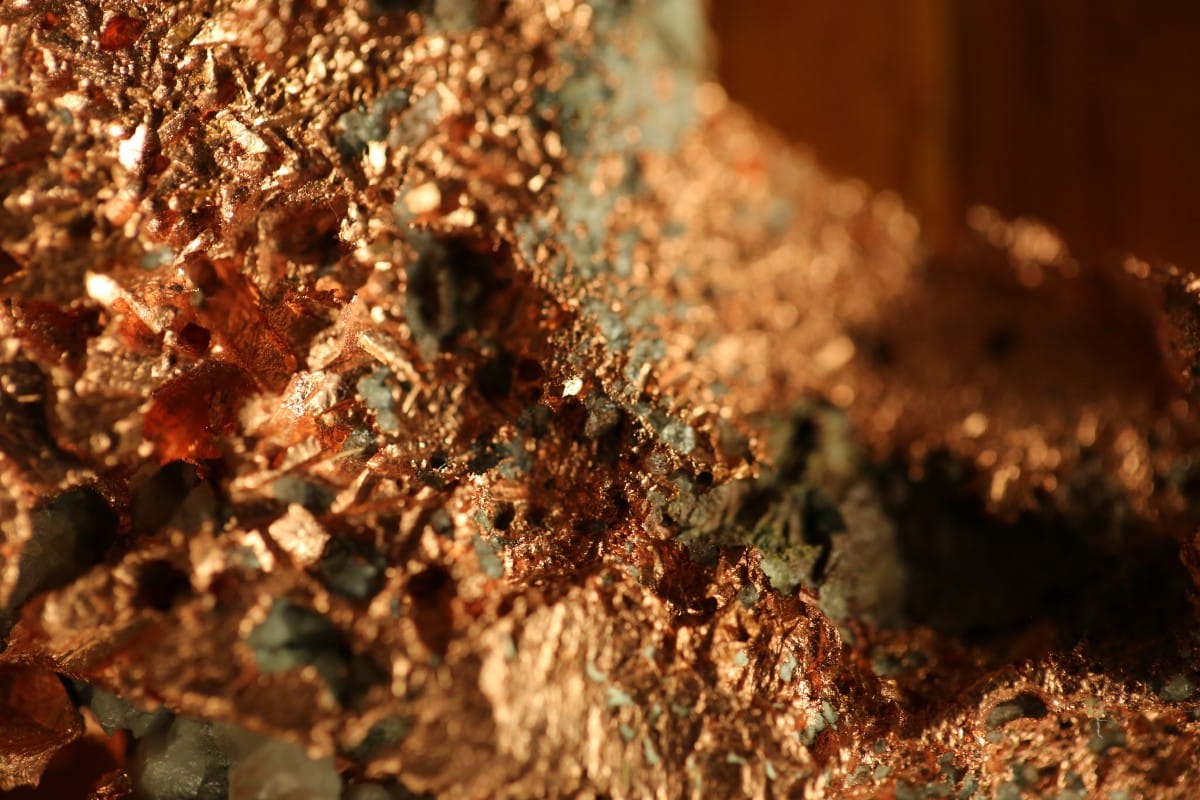
    Austral Resources has secured Federal Court approval for its scheme of arrangement to acquire Hammer Metals, with the deal becoming legally effective on 16 November and aimed at expanding copper operations in north-west Queensland. The transaction consolidates Austral’s existing Lady Annie–type heap leach and SX–EW copper production footprint with Hammer’s Mount Isa–region exploration ground, including several IOCG and copper–gold targets. For geotechnical and mine planners, the combined tenure increases optionality for open-pit and potential underground copper development in a tightly contested Queensland copper belt.

    Tungsten Mining’s Watershed project: DFS economics and design notes for engineers
    Mining
    about 11 hours ago

    Tungsten Mining’s Watershed project: DFS economics and design notes for engineers

    Tungsten Mining’s definitive feasibility study for the Watershed tungsten project in Far North Queensland reports a pre-tax net present value of $1.57 billion and internal rate of return of 70 per cent, with post-tax figures of $1.11 billion NPV and 57 per cent IRR. The project centres on open-pit extraction of scheelite and wolframite ores, with processing via conventional crush–grind–flotation to produce tungsten concentrate. These economics signal a potentially high-margin Australian tungsten supply source, relevant for long-term offtake and project finance decisions.

    Mount Isa critical minerals hub: feasibility insights for process engineers
    Mining
    about 11 hours ago

    Mount Isa critical minerals hub: feasibility insights for process engineers

    A proposed critical minerals and rare earths research centre in Mount Isa has secured a $965,000 commitment from the Australian and Queensland governments and Mount Isa City Council to fund a feasibility study. The concept focuses on metallurgical testing, piloting and treatment of critical minerals and rare earths, potentially giving North West Queensland miners local access to bench‑scale and pilot‑scale process development instead of sending samples interstate. For geometallurgy and flowsheet design teams, a local hub could shorten testwork lead times and de‑risk new processing routes for complex orebodies.

    Related Industries & Products

    Mining

    Geotechnical software solutions for mining operations including CMRR analysis, hydrogeological testing, and data management.

    Construction

    Quality control software for construction companies with material testing, batch tracking, and compliance management.

    CMRR-io

    Streamline coal mine roof stability assessments with our cloud-based CMRR software featuring automated calculations, multi-scenario analysis, and collaborative workflows.

    QCDB-io

    Comprehensive quality control database for manufacturing, tunnelling, and civil construction with UCS testing, PSD analysis, and grout mix design management.

    HYDROGEO-io

    Comprehensive hydrogeological testing platform for managing, analysing, and reporting on packer tests, lugeon values, and hydraulic conductivity assessments.

    AllGeotechnicalInfrastructureHazardsEnvironmental