Critical minerals’ post-construction test: capex, opex and offtake lessons for mine planners
Reviewed by Tom Sullivan
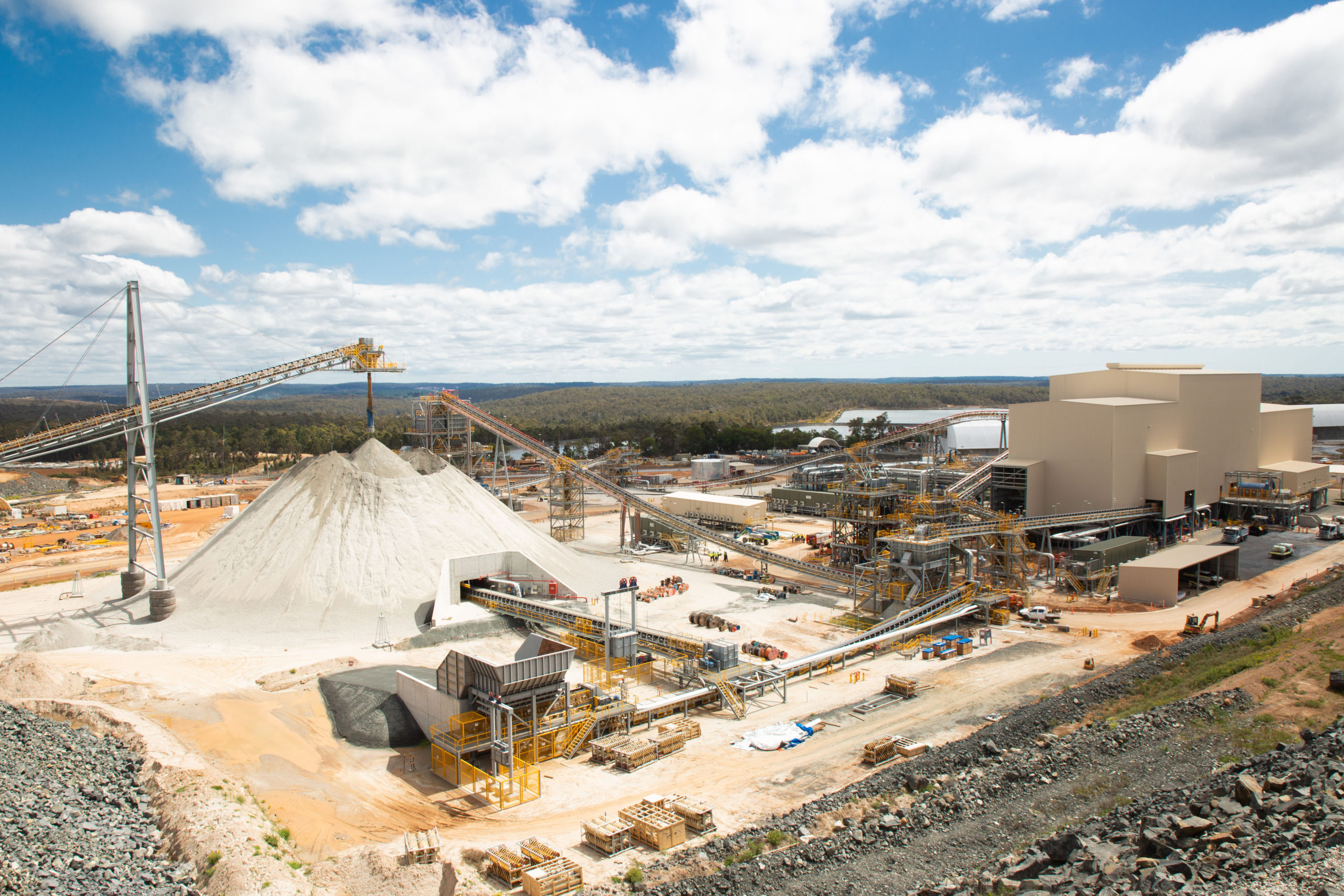
First reported on MINING.com
30 Second Briefing
Albemarle’s decision to idle its remaining lithium hydroxide train at the Kemerton plant in Western Australia, despite feedstock from the Greenbushes hard-rock mine, shows how higher conversion costs can overwhelm improved lithium prices. The IEA’s 2026 Global Critical Minerals Outlook reports refining capex outside established hubs running 20% to over 150% higher and opex about 50% higher, while copper smelter treatment and refining charges collapsed from $21.25/t in 2025 to zero in 2026 as utilisation outside China fell below 70%. Risk-sharing models such as the US–MP Materials neodymium-praseodymium price floor at $110/kg, and Syrah’s 11,250 t/y Vidalia graphite facility awaiting final Tesla and Lucid qualification, stress that new refineries must prove margins, throughput and customer acceptance across the cycle, not just at commissioning.
Technical Brief
- Processors only capture a conversion margin after feedstock, energy, reagents and logistics, not full product value.
- Tolling contracts can cap commodity price exposure but, without minimum volumes, leave refineries exposed to fixed-cost underutilisation.
- For new refineries, due diligence needs explicit break-even utilisation, binding feedstock, qualified demand and downside price stress tests.
Our Take
The 20–150% capital cost premium and 50% operating cost premium for refining outside China sharpen the economics for assets like Albemarle’s Chilean conversion projects in our coverage, which are already competing for capital against lower-cost Chinese lithium hydroxide capacity.
Benchmark copper treatment and refining charges dropping from $21.25/t in 2025 to effectively zero in 2026, alongside sub‑70% smelter utilisation outside China, implies new non‑Chinese smelting projects in regions such as Latin America and Africa will need either captive concentrate, subsidies, or integrated mine‑smelter models to clear investment hurdles.
Prepared by collating external sources, AI-assisted tools, and Geomechanics.io’s proprietary mining database, then reviewed for technical accuracy & edited by our geotechnical team.
Related Articles


Related Industries & Products
Mining
Geotechnical software solutions for mining operations including CMRR analysis, hydrogeological testing, and data management.
Construction
Quality control software for construction companies with material testing, batch tracking, and compliance management.
CMRR-io
Streamline coal mine roof stability assessments with our cloud-based CMRR software featuring automated calculations, multi-scenario analysis, and collaborative workflows.
HYDROGEO-io
Comprehensive hydrogeological testing platform for managing, analysing, and reporting on packer tests, lugeon values, and hydraulic conductivity assessments.
GEODB-io
Centralised geotechnical data management solution for storing, accessing, and analysing all your site investigation and material testing data.