Costain’s Dover Harbour Board framework: design and staging notes for engineers
Reviewed by Tom Sullivan
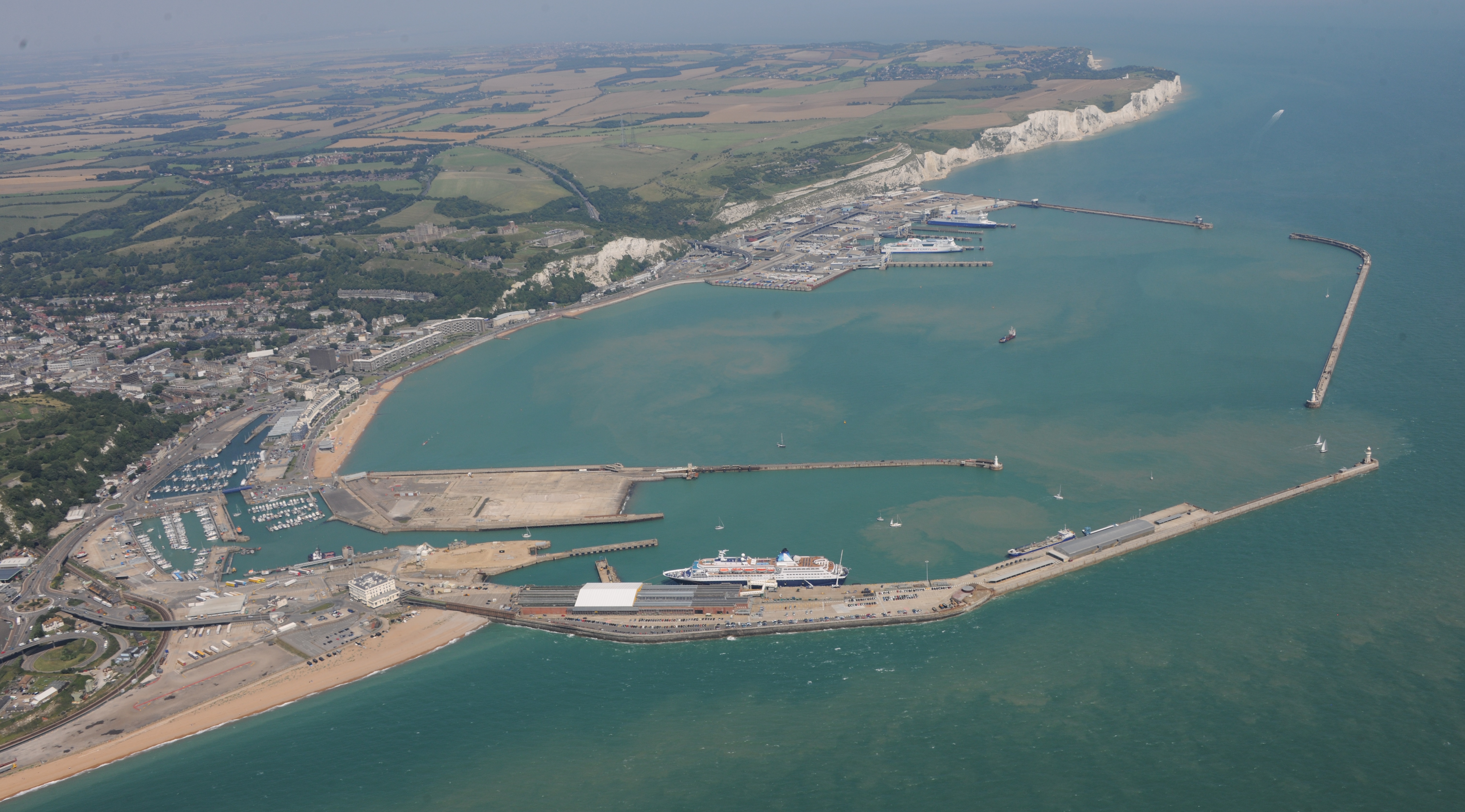
First reported on New Civil Engineer
30 Second Briefing
Costain has been selected by Dover Harbour Board for a framework lot to deliver critical infrastructure upgrades at the Port of Dover, the UK’s busiest roll-on/roll-off freight gateway. The programme will target increased capacity for international trade flows, likely involving reconstruction and reconfiguration of berths, marshalling areas and associated road links to handle higher HGV and passenger volumes. For civil and geotechnical teams, the work signals upcoming demand for heavy-duty pavements, quay strengthening, ground improvement and staged construction planning within a live, security-controlled port environment.
Technical Brief
- Costain’s role is defined as “infrastructure solutions”, implying integrated design–build and programme management capability.
- Contract structure suggests call-off work packages rather than a single EPC contract, enabling phased commissioning.
- Live port status will constrain possessions, likely driving night-time or tidal-window construction methodologies.
- Security-controlled environment will require coordinated logistics planning for materials, plant access and spoil removal.
- Brownfield marine setting implies interface with existing quay walls, services and utilities owned by Dover Harbour Board.
Our Take
Costain’s win on the Dover Harbour Board Framework follows its recent placement on National Grid’s major civils framework, signalling that UK clients are repeatedly shortlisting the firm for multi-asset infrastructure programmes rather than one‑off schemes.
In our database of 820 Infrastructure stories, Costain features frequently in UK energy-transition work (e.g. East Coast Cluster CO₂ transport and Cadent gas upgrades), so a port framework at Dover positions the company across both classic transport infrastructure and low‑carbon networks.
The Dover Harbour Board Framework sits in a UK market where Costain is already delivering technically complex works such as 3D‑printed low‑carbon concrete elements, suggesting the client could have access to more innovative construction methods if they choose to deploy them on port assets.
Prepared by collating external sources, AI-assisted tools, and Geomechanics.io’s proprietary mining database, then reviewed for technical accuracy & edited by our geotechnical team.
Related Articles


Related Industries & Products
Construction
Quality control software for construction companies with material testing, batch tracking, and compliance management.
Mining
Geotechnical software solutions for mining operations including CMRR analysis, hydrogeological testing, and data management.
QCDB-io
Comprehensive quality control database for manufacturing, tunnelling, and civil construction with UCS testing, PSD analysis, and grout mix design management.