Connecting industry and education: practical steps to bridge the skills gap for civil engineers
Reviewed by Tom Sullivan
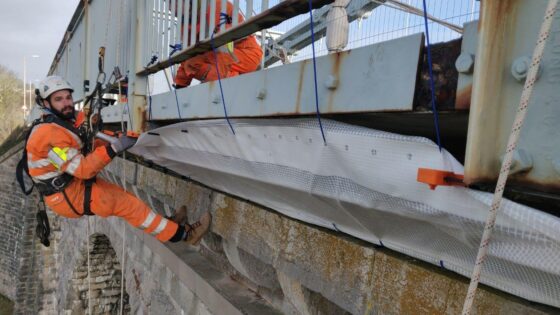
First reported on New Civil Engineer
30 Second Briefing
Calls to connect UK civil engineering firms directly with schools and colleges focus on tackling the sector’s widening skills gap by making curricula visibly linked to real project roles and site work. The opinion argues that many pupils disengage because they cannot see how classroom subjects translate into jobs such as site engineer, CAD technician or ground investigation specialist. For practitioners, the message is to invest time in outreach, work experience and contextualised STEM teaching to secure future design, construction and geotechnical talent.
Technical Brief
- Op-ed is framed around a personal account of disengagement at school leading into civil engineering.
- For similar infrastructure programmes, aligning early education with formal safety responsibilities could reduce future competence gaps.
Our Take
New Civil Engineer’s role in early careers initiatives – from Heathrow Airport’s innovation competition to the Beyond Design Early Careers Bridges Challenge – suggests it is increasingly acting as a convenor between employers and young engineers, which is exactly the kind of industry–education interface this op-ed is calling for.
Within our 946 Infrastructure stories and 2450 tag-matched pieces, skills and data-competency gaps often surface indirectly in coverage of BIM and asset-management issues, such as the NCE webinar on the ‘data handover gap’, signalling that capability shortfalls are now a live project-risk factor rather than just an HR concern.
The repeated involvement of New Civil Engineer in awards and challenge programmes with bodies like the Association of Directors of Environment, Economy, Planning & Transport and the Rochester Bridge Trust indicates that local authorities and asset owners are already using media-led platforms as low-cost testbeds for new skills and ideas before committing to full project deployment.
Prepared by collating external sources, AI-assisted tools, and Geomechanics.io’s proprietary mining database, then reviewed for technical accuracy & edited by our geotechnical team.
Related Articles


Related Industries & Products
Construction
Quality control software for construction companies with material testing, batch tracking, and compliance management.
Mining
Geotechnical software solutions for mining operations including CMRR analysis, hydrogeological testing, and data management.
QCDB-io
Comprehensive quality control database for manufacturing, tunnelling, and civil construction with UCS testing, PSD analysis, and grout mix design management.