CITB construction demand outlook 2026–30: labour and programme risks for project teams
Reviewed by Joe Ashwell
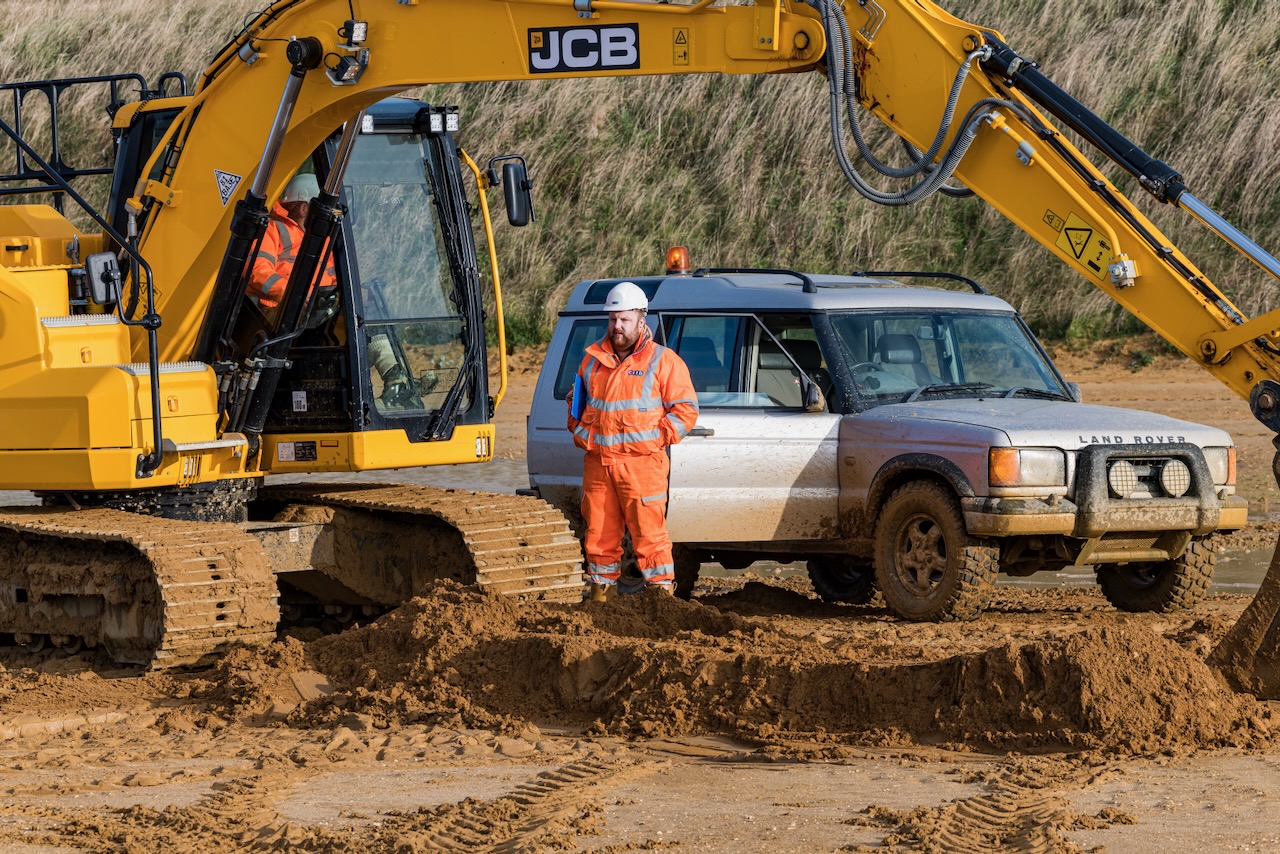
First reported on The Construction Index
30 Second Briefing
CITB’s Construction Workforce Outlook 2026–30 forecasts activity picking up from 2026 after a subdued 2024–25 pipeline, but warns that net labour losses continue as retirements and exits outpace new entrants. The report points to persistent shortages in core site trades and technical roles, including groundworkers, steel fixers and site engineers, with regional gaps most acute on major infrastructure corridors. Contractors are urged to plan for tighter labour availability in preconstruction, adjust programme durations, and expand apprenticeship and upskilling routes to stabilise delivery capacity.
Technical Brief
- CITB’s Construction Workforce Outlook 2026–30 is framed as a quantitative forecast for labour demand and supply.
- Forecasting horizon explicitly spans five years, enabling alignment with medium-term infrastructure and construction investment pipelines.
- CITB uses occupation-level breakdowns, allowing separate planning for site trades, technical staff and professional roles.
- Regional analysis identifies specific hotspots, enabling targeted safety training where high-risk civil and infrastructure works cluster.
- Outlook is intended to inform revisions to CITB grant-funded training, including site safety and supervision courses.
- Data is designed to support principal contractors’ CDM duty planning by evidencing competence and resourcing assumptions.
- Findings feed into industry skills strategies with HSE, trade bodies and unions, linking workforce gaps to safety risk exposure.
- For similar major projects, using such structured forecasts can de-risk programme safety by aligning resourcing with method statements.
Our Take
CITB’s 2026–30 workforce outlook will land just as government is consulting on merging CITB and ECITB, so any forecast skills gaps could directly shape whether a single Industry Training Board is justified and how its levy and remit are structured.
Prepared by collating external sources, AI-assisted tools, and Geomechanics.io’s proprietary mining database, then reviewed for technical accuracy & edited by our geotechnical team.
Related Articles


Related Industries & Products
Construction
Quality control software for construction companies with material testing, batch tracking, and compliance management.
Mining
Geotechnical software solutions for mining operations including CMRR analysis, hydrogeological testing, and data management.
QCDB-io
Comprehensive quality control database for manufacturing, tunnelling, and civil construction with UCS testing, PSD analysis, and grout mix design management.