Bribie Island Bridge $750M design: network resilience and staging notes for engineers
Reviewed by Joe Ashwell
First reported on Roads & Infrastructure (AU)
30 Second Briefing
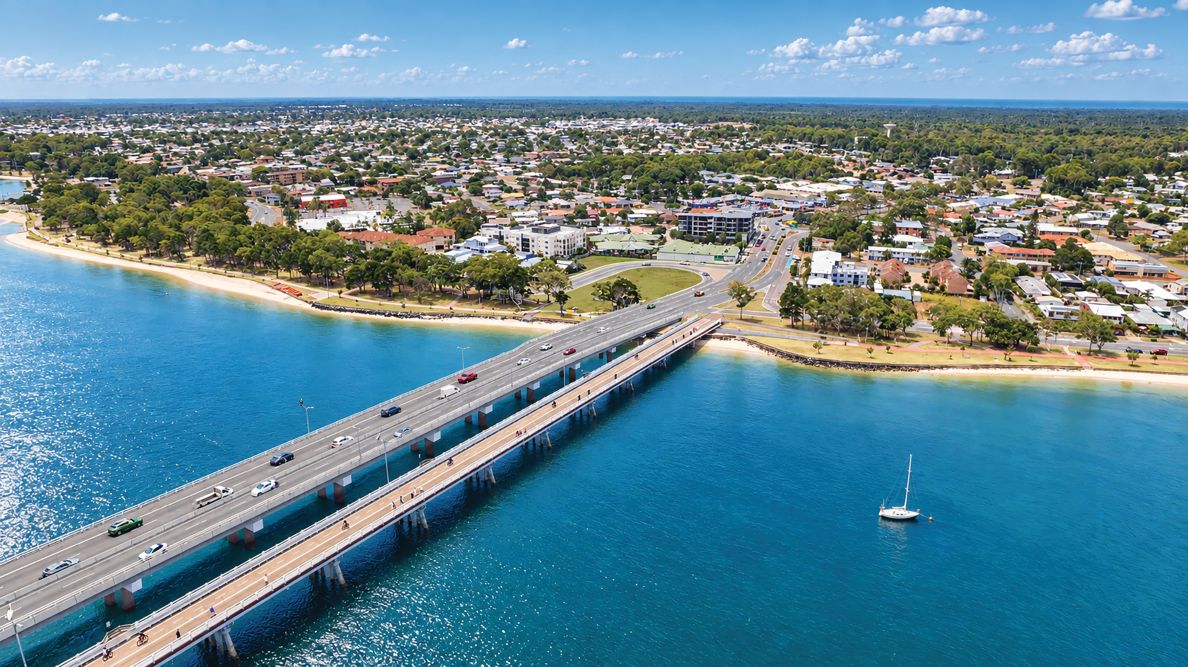
Preferred design for Queensland’s new Bribie Island Bridge sets out a four-lane traffic structure costed at about $750 million, to be built immediately alongside the existing bridge. The concept includes upgraded bridge approaches and reconfigured local intersections to handle higher traffic volumes and improve network resilience during incidents or maintenance. Retention of the old bridge after completion suggests potential for staged construction, reduced traffic switching risk and future options for active transport or lower-load local access.
Technical Brief
- Alignment of the new bridge immediately adjacent to the existing structure enables tight corridor utilisation.
- Parallel-bridge configuration supports staged traffic switches, reducing reliance on night or full closures.
- Upgraded approaches and intersections imply substantial earthworks, drainage reconfiguration and new pavement tie-ins on both shores.
- Locating the new deck beside the old constrains marine piling operations within an already-narrow navigation channel.
- Construction will need to manage live traffic on the existing bridge, driving sequencing, temporary barriers and speed restrictions.
- Existing bridge foundations and scour protection will influence pile layout, vibration limits and allowable construction plant.
Our Take
The Bribie Island Bridge proposal aligns with the Queensland Government’s pattern of pairing major capital projects with network-wide safety and access programs, as seen in the School Transport Infrastructure Program coverage from 13 Nov 2025, which can help secure community support and justify large outlays in coastal growth corridors.
Given Roads & Infrastructure Magazine’s move into deeper technical content via its podcast series (launched 16 Jul 2026), this bridge is a likely candidate for future discussion of design choices, constructability in a marine environment, and staging to minimise disruption on a constrained island access route.
Prepared by collating external sources, AI-assisted tools, and Geomechanics.io’s proprietary mining database, then reviewed for technical accuracy & edited by our geotechnical team.
Related Articles


Related Industries & Products
Construction
Quality control software for construction companies with material testing, batch tracking, and compliance management.
Mining
Geotechnical software solutions for mining operations including CMRR analysis, hydrogeological testing, and data management.
QCDB-io
Comprehensive quality control database for manufacturing, tunnelling, and civil construction with UCS testing, PSD analysis, and grout mix design management.