BAM’s first ASTI contract: civil and geotechnical takeaways for grid engineers
Reviewed by Joe Ashwell
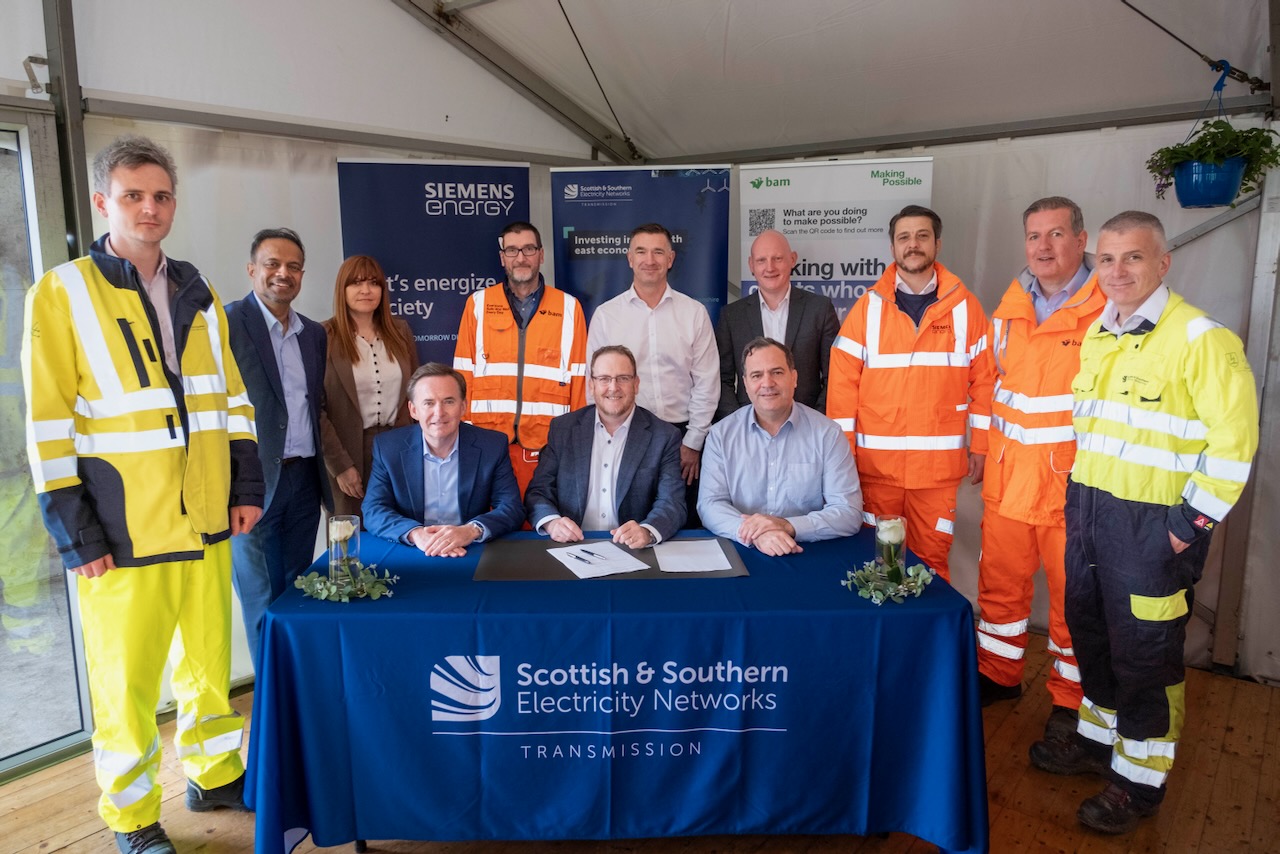
First reported on The Construction Index
30 Second Briefing
BAM UK & Ireland has secured its first contract under National Grid’s Accelerated Strategic Transmission Investment (ASTI) framework to deliver a new SSEN Transmission substation in Aberdeenshire in joint venture with Siemens Energy. The project will add high-voltage substation capacity to support grid reinforcement for North Sea renewables and wider Scottish transmission upgrades. Civil and geotechnical scope is expected to centre on heavy foundations, high-spec switchgear compounds and grid connection works under ASTI’s compressed delivery timelines.
Technical Brief
- BAM–Siemens Energy JV structure enables single-point responsibility for civil works, plant installation and commissioning.
- SSEN Transmission client role suggests alignment with Scottish transmission licence conditions and associated technical standards.
- Aberdeenshire greenfield location likely demands substantial earthworks, platform formation and drainage for heavy plant foundations.
- High-voltage yard layout will drive large clear working areas, crane access routes and heavy pavement design.
- ASTI framework typically compresses outage windows, pushing off-line construction, preassembly and modular substation components.
- Similar ASTI packages are expected to bundle civils, primary plant and protection/control to minimise contract interfaces.
Our Take
BAM UK & Ireland’s role on the Aberdeenshire ASTI substation follows a run of complex UK public-infrastructure work in our database, including rail (Darlington station upgrade) and healthcare (North Devon District Hospital accommodation), signalling that clients see it as a low‑risk delivery partner for live operational environments.
The involvement of Siemens Energy alongside SSEN Transmission at this UK ASTI site aligns with other grid-modernisation pieces in our coverage where OEMs are embedded early in substation design, which typically shortens commissioning and eases integration of advanced protection and control systems.
Prepared by collating external sources, AI-assisted tools, and Geomechanics.io’s proprietary mining database, then reviewed for technical accuracy & edited by our geotechnical team.


