£50m Salisbury Plain barracks projects: logistics and phasing notes for engineers
Reviewed by Joe Ashwell
First reported on The Construction Index
30 Second Briefing
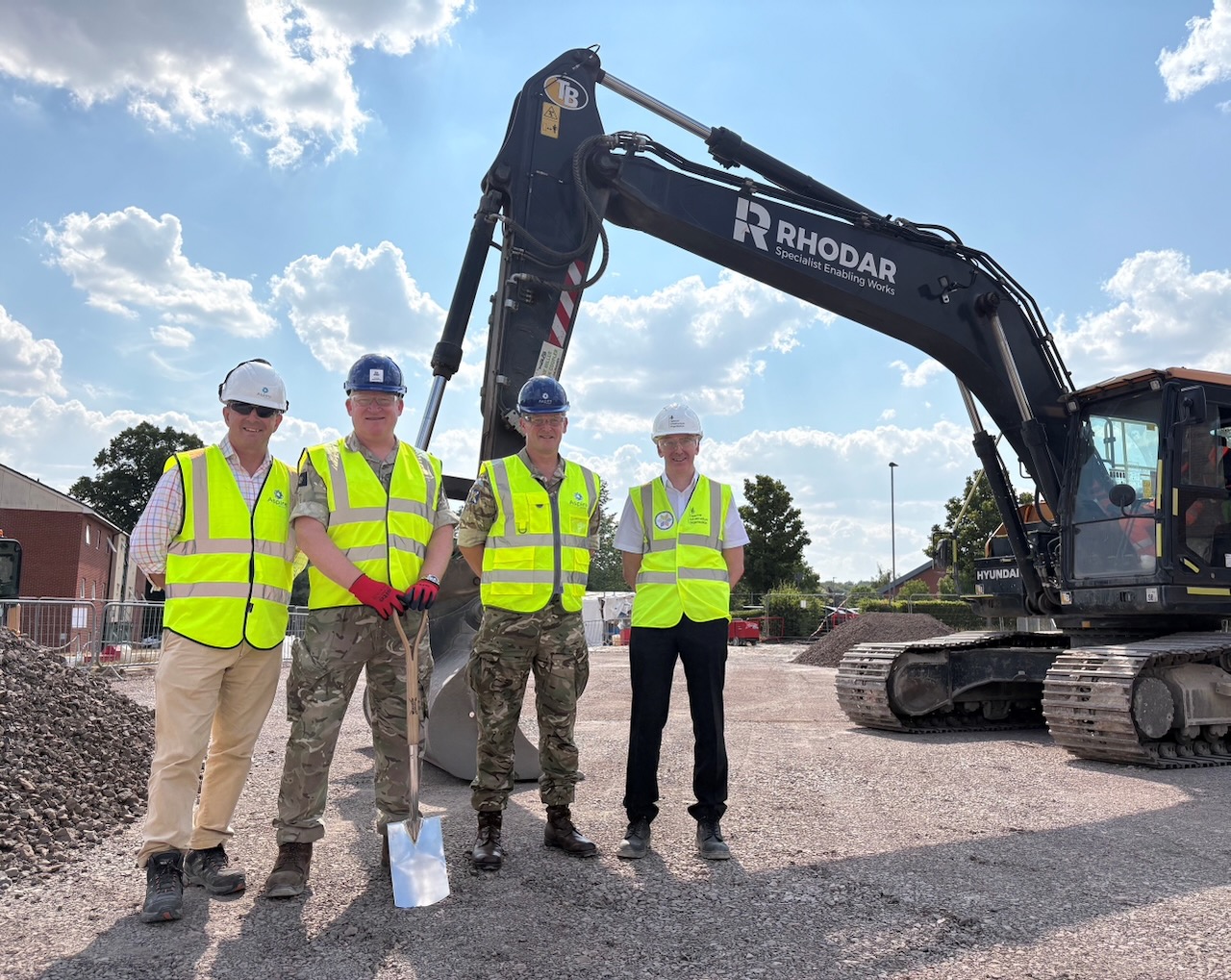
Work has started on a £50m programme by Aspire Defence Ltd to build new living, working, and training facilities on Salisbury Plain for three British Army units under the Ministry of Defence’s Defence Estate Optimisation portfolio. The scheme will deliver modern accommodation blocks and technical buildings designed to current MoD standards, replacing older stock and consolidating units onto fewer, more serviceable sites. Contractors will need to manage construction within an active training area, with tight security protocols and restricted access shaping logistics, groundworks, and phasing.
Technical Brief
- Works sit within the Defence Estate Optimisation portfolio, tying into wider Army basing rationalisation.
- Security vetting and controlled access for contractors are embedded into site mobilisation and daily logistics planning.
- Existing utilities and communications infrastructure must be maintained live while new facilities are tied in.
- Phasing requires temporary decant accommodation and staged handovers to avoid double‑running obsolete buildings.
- Groundworks and haulage are constrained by live‑fire ranges and protected environmental zones on the Plain.
- Similar DEO schemes are increasingly bundling living, working and training assets into single capex packages.
Our Take
The Ministry of Defence appears frequently in our infrastructure coverage, from the £26bn, 10‑year naval base modernisation programme to this Salisbury Plain work, signalling a sustained pipeline of defence estate projects rather than isolated upgrades.
With Ramboll and other consultants now on the £3.5bn CPS2 framework that includes the Ministry of Defence as a client, design and assurance for barracks schemes on Salisbury Plain are likely to be influenced by a relatively small pool of pre‑approved professional service providers.
Reds10’s recent strategic move into façades and its track record on Ministry of Defence work in our database suggest that modular and offsite solutions could increasingly feature in defence accommodation projects of this scale, putting pressure on traditional site‑heavy delivery models.
Prepared by collating external sources, AI-assisted tools, and Geomechanics.io’s proprietary mining database, then reviewed for technical accuracy & edited by our geotechnical team.
Related Articles


Related Industries & Products
Construction
Quality control software for construction companies with material testing, batch tracking, and compliance management.
Mining
Geotechnical software solutions for mining operations including CMRR analysis, hydrogeological testing, and data management.
QCDB-io
Comprehensive quality control database for manufacturing, tunnelling, and civil construction with UCS testing, PSD analysis, and grout mix design management.