Geomechanics.io

  • Free Tools
Sign UpLog In

Geomechanics.io

Geomechanics, Streamlined.

© 2026 Geomechanics.io. All rights reserved.

Geomechanics.io

CMRR-ioGEODB-ioHYDROGEO-ioQCDB-ioFree Tools & CalculatorsBlogLatest Industry News

Industries

MiningConstructionTunnelling

Company

Terms of UsePrivacy PolicyLinkedIn
    Sustainability

    Water industry renationalisation referendum: funding and asset impacts for engineers

    April 11, 2026|

    Reviewed by Joe Ashwell

    Water industry renationalisation referendum: funding and asset impacts for engineers

    First reported on New Civil Engineer

    30 Second Briefing

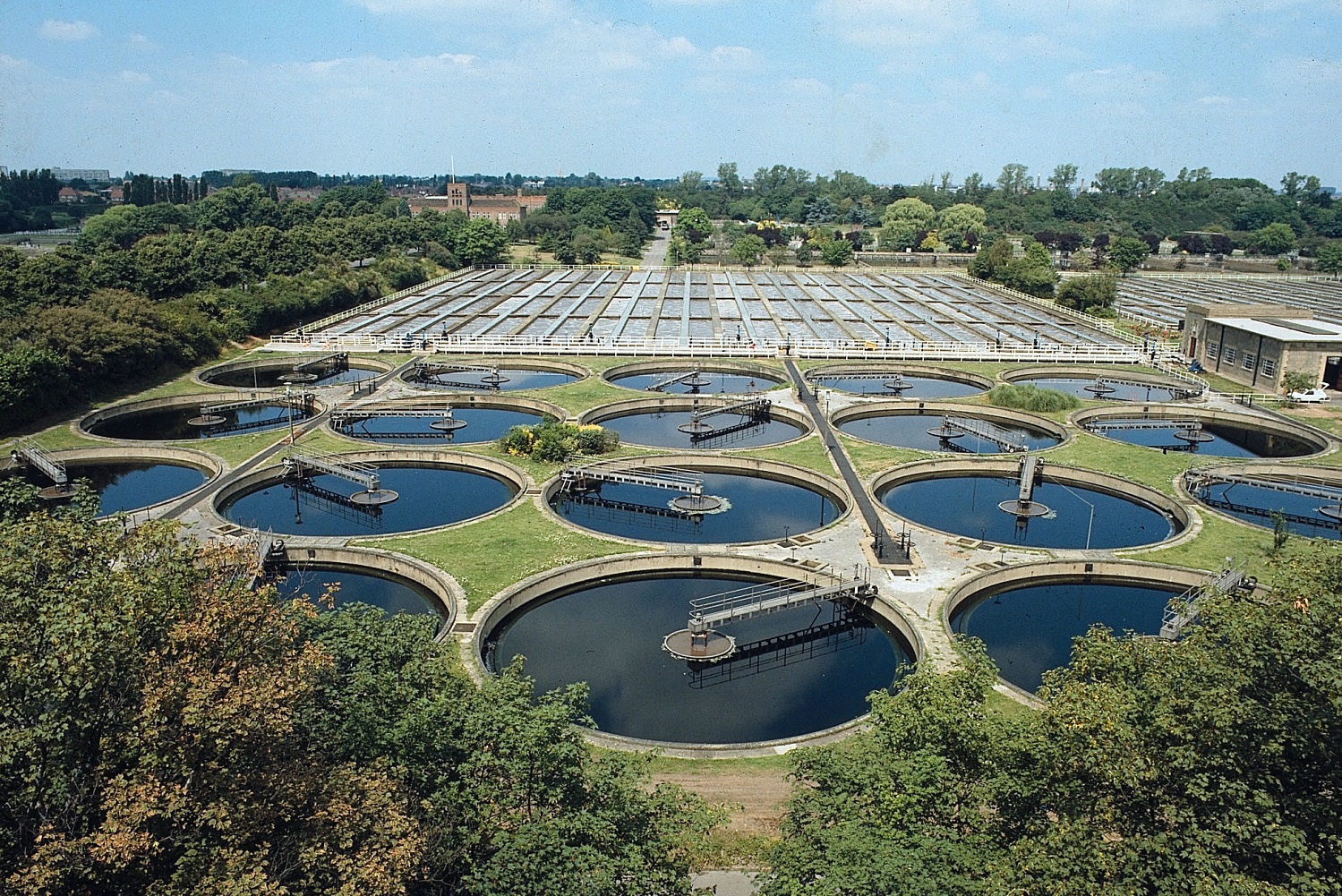
    Calls for a national referendum on renationalising England’s privatised water and sewerage companies have intensified after 20,000 people signed a petition launched by a campaigner from Channel 4’s “Dirty Business” series. The move targets companies responsible for combined sewer overflows, long-term leakage issues and high storm discharge volumes into rivers and coastal waters. Any shift to public ownership would directly affect funding models for major wastewater upgrades, long-life pipeline renewals and resilience works on ageing treatment works and trunk mains.

    Technical Brief

    • Any renationalisation would shift capex for CSO upgrades and trunk mains from private balance sheets to government.
    • Funding model changes could reprofile long-life asset renewals over long pipeline design horizons.
    • Public ownership could tighten performance obligations on infiltration, exfiltration and leakage in ageing clay and AC sewers.
    • Procurement routes for major WwTW expansions may move from regulated-utility frameworks to public-works contracts.
    • Risk allocation for groundwater ingress, surcharge and flooding on combined systems could transfer back to the state.
    • Debt restructuring of existing water companies would affect available borrowing headroom for resilience and redundancy schemes.

    Geotechnical Software for Modern Teams

    Centralise site data, logs, and lab results with GEODB-io, CMRR-io, and HYDROGEO-io.

    No credit card required.

    • Save and export unlimited calculations
    • Advanced data visualisation
    • Generate professional PDF reports
    • Cloud storage for all your projects

    Prepared by collating external sources, AI-assisted tools, and Geomechanics.io’s proprietary mining database, then reviewed for technical accuracy & edited by our geotechnical team.

    Related Articles

    Streamlining UK infrastructure delivery: planning reforms for project engineers
    Policy
    about 12 hours ago

    Streamlining UK infrastructure delivery: planning reforms for project engineers

    Major UK infrastructure schemes such as HS2 and the Lower Thames Crossing are increasingly stalled by multi-year Development Consent Order processes, overlapping environmental assessments and repeated judicial reviews. Industry voices are pushing for a single integrated consenting regime, statutory time limits on planning examinations and clearer National Policy Statements to cut delays on projects involving multi-bore tunnels, high-speed rail viaducts and 400kV grid reinforcements. For civil and geotechnical teams, this could mean earlier certainty on alignments, ground investigation scopes and procurement of specialist contractors.

    Northern Miner podcast: Nadrowski on critical mineral flows and policy takeaways
    Policy
    1 day ago

    Northern Miner podcast: Nadrowski on critical mineral flows and policy takeaways

    Portfolio manager Tomasz Nadrowski, author of Mineral War: China’s Quest for Weapons of Mineral Destruction, warns that current single‑route supply chains for critical minerals lack sufficient parallel “flows” to balance volatile inflows and outflows in a non‑fungible global market. He argues that for many inputs, buyers effectively face a binary choice of sourcing from China or going without, given Beijing’s dominance in battery and rare earth capacity. Nadrowski advocates higher tariffs, price floors and targeted downstream manufacturing incentives to prevent further de‑industrialisation in Western economies.

    ATSB welcomes new commissioner: safety investigation focus for engineers
    Policy
    2 days ago

    ATSB welcomes new commissioner: safety investigation focus for engineers

    James Miller has been appointed Commissioner of the Australian Transport Safety Bureau (ATSB) for a three‑year term, taking responsibility for national rail, marine and aviation safety investigations. Miller brings more than 50 years’ aviation experience, including as Qantas Fleet Captain, into a role that shapes standards and incident analysis across complex, multi‑modal transport networks. For civil and transport engineers, his background suggests continued emphasis on data‑driven accident investigation, operational risk management and interface safety at rail and port infrastructure.

    Related Industries & Products

    Mining

    Geotechnical software solutions for mining operations including CMRR analysis, hydrogeological testing, and data management.

    Construction

    Quality control software for construction companies with material testing, batch tracking, and compliance management.

    CMRR-io

    Streamline coal mine roof stability assessments with our cloud-based CMRR software featuring automated calculations, multi-scenario analysis, and collaborative workflows.

    HYDROGEO-io

    Comprehensive hydrogeological testing platform for managing, analysing, and reporting on packer tests, lugeon values, and hydraulic conductivity assessments.

    GEODB-io

    Centralised geotechnical data management solution for storing, accessing, and analysing all your site investigation and material testing data.

    AllGeotechnicalInfrastructureHazardsEnvironmental