Victoria’s halved public transport fares: capacity and operations lens for engineers
Reviewed by Tom Sullivan
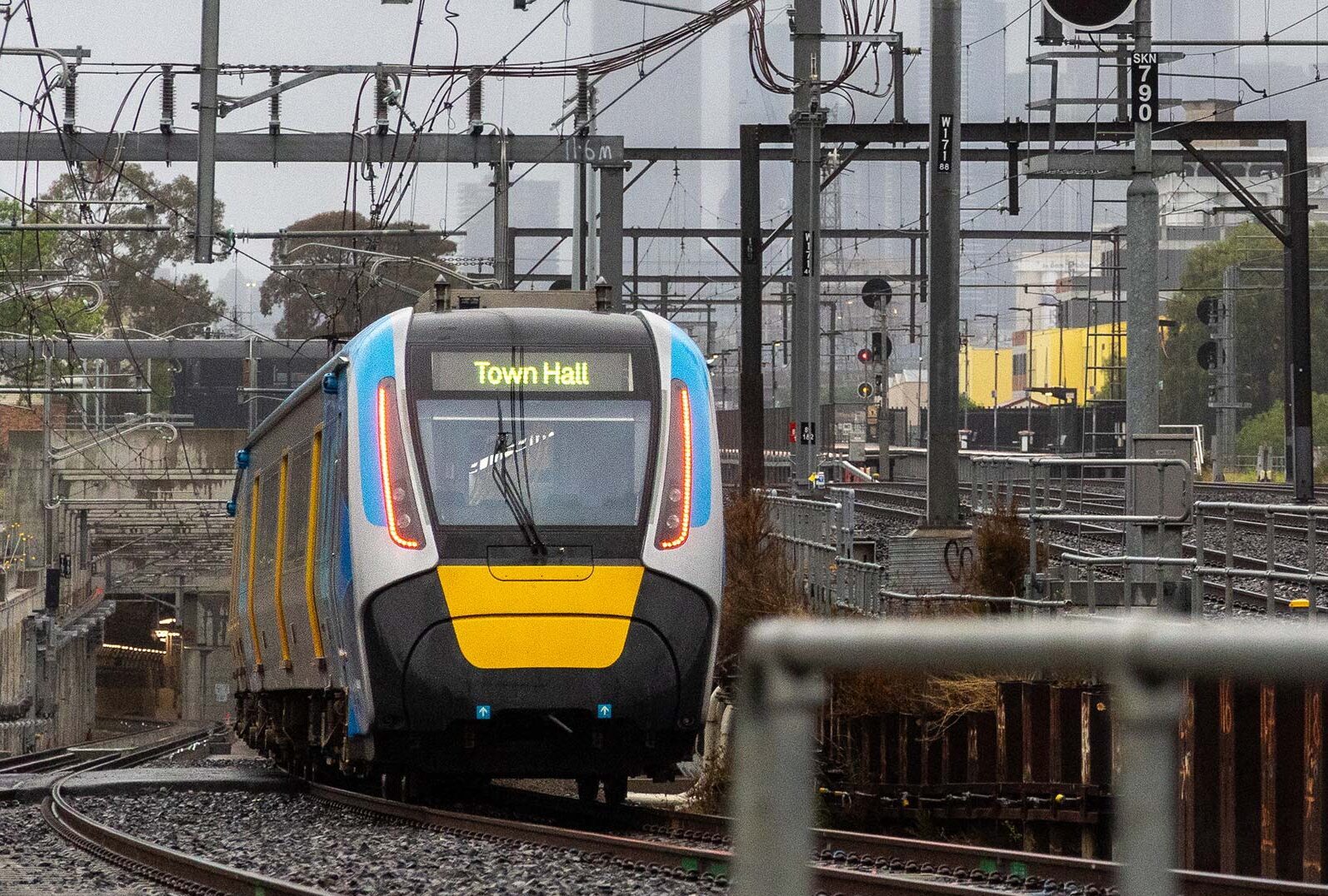
First reported on Roads & Infrastructure (AU)
30 Second Briefing
Half‑price public transport has commenced in Victoria, cutting the full daily fare cap from $11.40 to $5.70 for travel anywhere across the state until 31 December. The measure targets households hit by rising fuel costs and is expected to shift more commuters from private cars to trains, trams and buses, increasing peak‑period passenger loads on existing rail corridors and bus routes. Operators may need to adjust service frequencies, rolling stock allocation and station crowd management to handle higher demand without degrading network reliability.
Technical Brief
- Halved fares apply to full daily caps, affecting revenue forecasts for operators and infrastructure funding models.
- Lower ticket prices may alter peak/off‑peak demand ratios, complicating timetable and maintenance possession planning.
- Increased PT attractiveness can defer or resize some planned road‑capacity upgrades and park‑and‑ride expansions.
- Higher utilisation of existing rail corridors may accelerate track, overhead and platform asset wear rates.
- Bus route loading changes could drive short‑term reallocations of depots, layover spaces and driver rosters.
- Similar temporary fare interventions internationally have triggered measurable shifts in mode share within weeks.
Our Take
In our infrastructure coverage, Victoria features heavily for capital-intensive works like level crossing removals and new rail bridges, so a fare cut by the Victorian Government is likely aimed at driving patronage onto the very rail capacity being added.
The halved daily fare sits against a backdrop of ongoing Victorian Government rail upgrades such as the Macleod and Diggers Rest level crossing projects, which suggests operators should plan for short-term load increases on upgraded corridors rather than just legacy peak routes.
With 838 Infrastructure stories and 2219 tag-matched ‘Projects’ pieces in our database, this Victoria-focused fare move stands out as a demand-side lever, whereas most recent Victorian Government items have concentrated on supply-side safety and capacity works funded through the Transport Accident Commission and Level Crossing Removal Project.
Prepared by collating external sources, AI-assisted tools, and Geomechanics.io’s proprietary mining database, then reviewed for technical accuracy & edited by our geotechnical team.
Related Articles


Related Industries & Products
Mining
Geotechnical software solutions for mining operations including CMRR analysis, hydrogeological testing, and data management.
Construction
Quality control software for construction companies with material testing, batch tracking, and compliance management.
CMRR-io
Streamline coal mine roof stability assessments with our cloud-based CMRR software featuring automated calculations, multi-scenario analysis, and collaborative workflows.
HYDROGEO-io
Comprehensive hydrogeological testing platform for managing, analysing, and reporting on packer tests, lugeon values, and hydraulic conductivity assessments.
GEODB-io
Centralised geotechnical data management solution for storing, accessing, and analysing all your site investigation and material testing data.