Unite pay deal: labour cost implications for UK outage and maintenance projects
Reviewed by Tom Sullivan
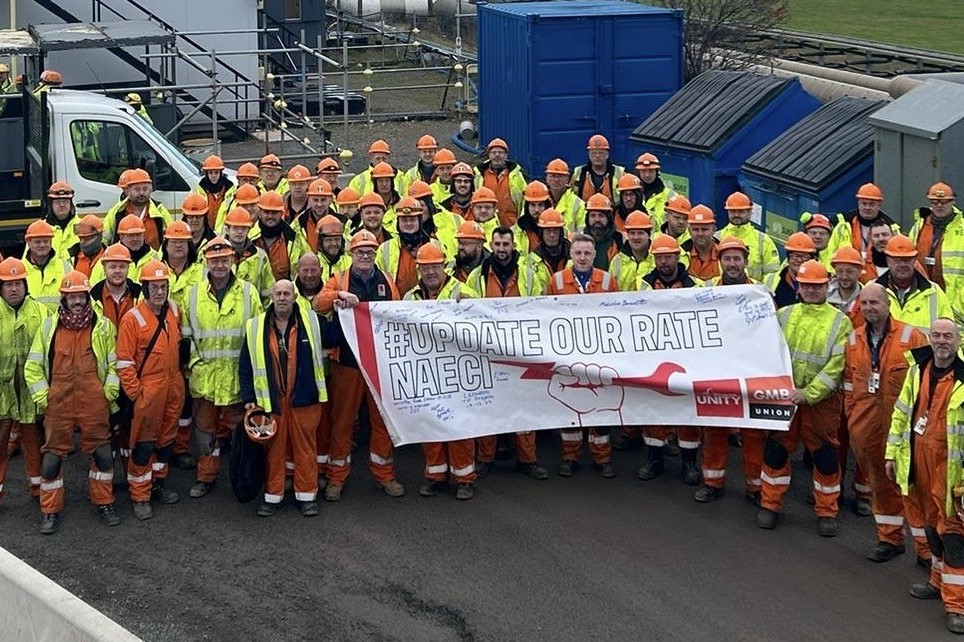
First reported on The Construction Index
30 Second Briefing
Engineering construction workers covered by the National Agreement for the Engineering Construction Industry have narrowly accepted a 4.5% pay rise, up from a 3.6% offer, affecting around 3,000 staff on repair and maintenance contracts at sites including EDF’s Sizewell B and Torness, Grangemouth, Drax, Stanlow ESSAR and GSK Montrose. The deal adds roughly £2,000 to annual wages for NAECI-grade personnel, influencing labour costs on major outage, shutdown and maintenance programmes. Unite, citing the slim majority, is already seeking to open 2027 pay talks with employers.
Technical Brief
- Contractors delivering repair and maintenance frameworks at these assets must reprofile labour allowances in existing NEC/JCT-style contracts.
- Framework bidders for 2025–2027 maintenance campaigns will need to adjust schedule risk and contingency for wage drift.
- Narrow ballot margin increases risk of industrial relations volatility during critical outage windows and turnaround periods.
- Unite’s push to open 2027 talks early introduces an additional wage-uncertainty variable into long-term capex/opex planning.
- For multi-year EPCM and term-maintenance agreements, escalation clauses tied to NAECI will now trigger higher pass-through costs.
Our Take
With multiple NAECI-covered sites in the United Kingdom such as Sizewell B, Torness, Drax and Stanlow ESSAR involved, a settled deal with Unite reduces the risk of coordinated industrial action across a significant slice of the UK’s power and process infrastructure workforce through to 2027.
Our infrastructure database shows Sizewell assets appearing both in labour relations coverage (this Unite deal) and in major project pieces like the £40bn Sizewell C early works, signalling that nuclear hubs in the UK are simultaneously managing large capital programmes and sensitive workforce negotiations.
Including GSK Montrose and Grangemouth alongside power stations suggests the agreement spans both energy and high‑hazard chemical/pharma facilities, which typically pushes contractors to standardise NAECI terms and site access protocols across a wide range of critical UK industrial assets.
Prepared by collating external sources, AI-assisted tools, and Geomechanics.io’s proprietary mining database, then reviewed for technical accuracy & edited by our geotechnical team.


