PwC on British Columbia’s critical minerals push: project and grid lessons for mine planners
Reviewed by Tom Sullivan
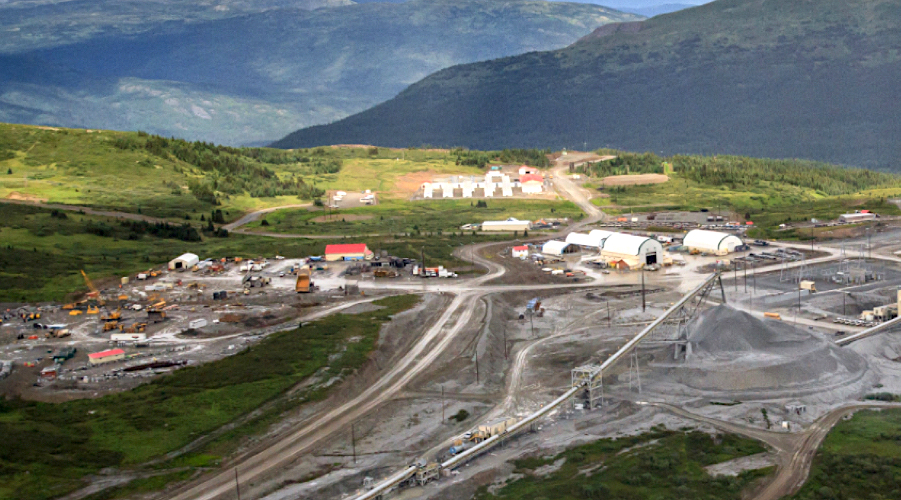
First reported on MINING.com
30 Second Briefing
British Columbia and the Yukon risk ceding critical minerals investment to the US and Australia unless they speed mine builds, grid expansion and permitting, PwC Canada’s BC Mine 2025 report warns. Metallurgical coal’s share of BC mining revenue fell from just over 60% in 2023 to under 50% last year, while copper rose to 25%, as Ottawa prioritises Newmont’s Red Chris, LNG Canada Phase 2 and the North Coast Transmission Line. PwC flags northern transmission constraints and corridor-based planning in the Yukon and northwest BC as decisive for turning approvals into producing assets.
Technical Brief
- PwC’s BC Mine 2025 report quantifies copper’s revenue share increase from 19% to 25% in one year.
- Metallurgical coal’s revenue share dropped by more than 10 percentage points between 2023 and last year.
- Skeena’s gold–silver project advanced through a substituted BC-led environmental assessment co-developed with the Tahltan Nation.
- Ottawa’s priority list explicitly couples mines (Red Chris) with enabling infrastructure (North Coast Transmission Line, LNG Canada Phase 2).
- PwC flags Yukon and northwest BC transmission as a binding constraint, pushing corridor-style planning to aggregate multiple deposits.
- The report links critical mineral demand to industrial policy, defence needs and energy security, not just commodity pricing cycles.
- Long-term competitiveness is framed around conversion of approvals to operating mines versus US and Australian timelines.
Our Take
PwC’s role in both this BC critical minerals review and the Yukon Eagle gold mine receivership process (via PricewaterhouseCoopers) signals that Canadian governments and lenders are leaning on the firm for restructuring and strategic oversight across multiple copper–gold jurisdictions in the northwest.
With metallurgical coal’s revenue share in British Columbia dropping from just over 60% to below 50% while copper rises, BC increasingly resembles the ‘critical minerals’ profile seen in other copper-heavy pieces in our database rather than a coal-dominated province, which may influence how projects like Red Chris are prioritised for grid and road upgrades.
Merdeka Gold Resources’ planned Hong Kong equity raise and Uzbekistan’s sizeable gold export figures in the same news cycle underline that BC copper–gold projects are competing for capital against emerging-market gold stories, making timely delivery of enabling infrastructure such as the North Coast Transmission Line strategically important for attracting non-Canadian investors.
Prepared by collating external sources, AI-assisted tools, and Geomechanics.io’s proprietary mining database, then reviewed for technical accuracy & edited by our geotechnical team.
Related Articles

Related Industries & Products
Mining
Geotechnical software solutions for mining operations including CMRR analysis, hydrogeological testing, and data management.
Construction
Quality control software for construction companies with material testing, batch tracking, and compliance management.
CMRR-io
Streamline coal mine roof stability assessments with our cloud-based CMRR software featuring automated calculations, multi-scenario analysis, and collaborative workflows.
HYDROGEO-io
Comprehensive hydrogeological testing platform for managing, analysing, and reporting on packer tests, lugeon values, and hydraulic conductivity assessments.
GEODB-io
Centralised geotechnical data management solution for storing, accessing, and analysing all your site investigation and material testing data.