Geomechanics.io

  • Free Tools
Sign UpLog In
Built byBoxcut Studio

Geomechanics.io

Geomechanics, Streamlined.

© 2026 Geomechanics.io. All rights reserved.

Geomechanics.io

CMRR-ioGEODB-ioHYDROGEO-ioQCDB-ioFree Tools & CalculatorsBlogLatest Industry News

Industries

MiningConstructionTunnelling

Company

Terms of UsePrivacy PolicyLinkedIn
    Projects

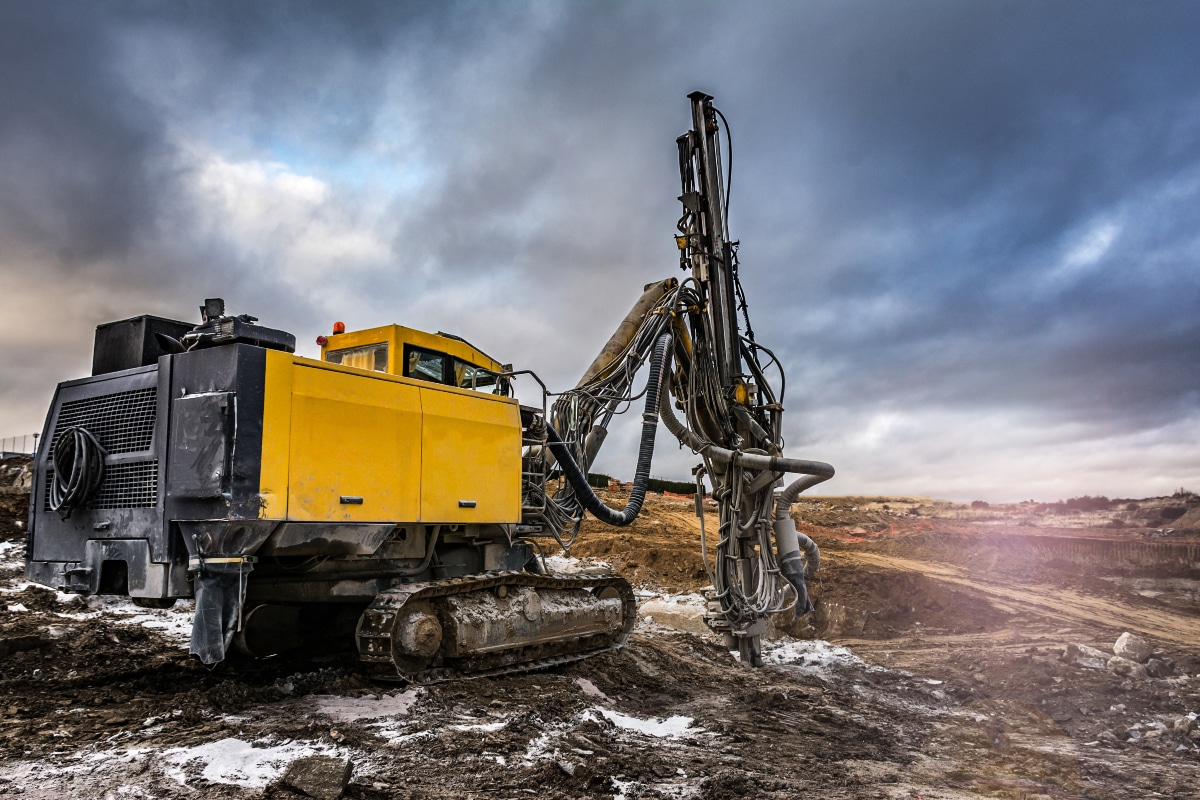
    Bengalla growth for New Hope: strip mine sequencing and design notes for planners

    February 17, 2026|

    Reviewed by Joe Ashwell

    Bengalla growth for New Hope: strip mine sequencing and design notes for planners

    First reported on Australian Mining

    30 Second Briefing

    New Hope Group has lifted coal output across its Australian assets and is advancing growth plans at the Bengalla thermal coal mine in the Hunter Valley, where it holds an 80 per cent interest alongside Mitsui, Taipower and J-Power. The open-cut operation, which typically produces export-quality thermal coal for Asian power utilities via the Port of Newcastle, is the company’s key near-term expansion focus. For mine planners and geotechs, any Bengalla growth path will centre on additional strip mining, dragline and truck–shovel sequencing, and associated waste dump and haul road reconfiguration.

    Technical Brief

    • New Hope reported higher ROM coal production quarter-on-quarter across its Australian operations, including Bengalla.

    Our Take

    With coal-related pieces forming a noticeable subset of our 1047 Mining stories, New Hope Group’s plans at the Bengalla mine sit against a backdrop of Australian coal operators reassessing mine lives and capital allocation as policy and demand signals diverge.

    The New South Wales Renewable Energy Zones rollout, highlighted in the 12 Feb 2026 item on replacing ageing coal plants, suggests that any growth push at Bengalla will need to factor in progressively tighter regional power and planning settings for coal in NSW.

    For a single-asset coal operation in Australia, incremental growth at Bengalla typically implies either higher strip ratios or step-out pits, which can materially change rehabilitation liabilities and water management design even if nameplate capacity changes are modest.

    Geotechnical Software for Modern Teams

    Centralise site data, logs, and lab results with GEODB-io, CMRR-io, and HYDROGEO-io.

    No credit card required.

    • Save and export unlimited calculations
    • Advanced data visualisation
    • Generate professional PDF reports
    • Cloud storage for all your projects

    Prepared by collating external sources, AI-assisted tools, and Geomechanics.io’s proprietary mining database, then reviewed for technical accuracy & edited by our geotechnical team.

    Related Articles
    Fortescue copper–arsenic Toowong Process: project economics lens for mine planners
    Mining
    about 11 hours ago

    Fortescue copper–arsenic Toowong Process: project economics lens for mine planners

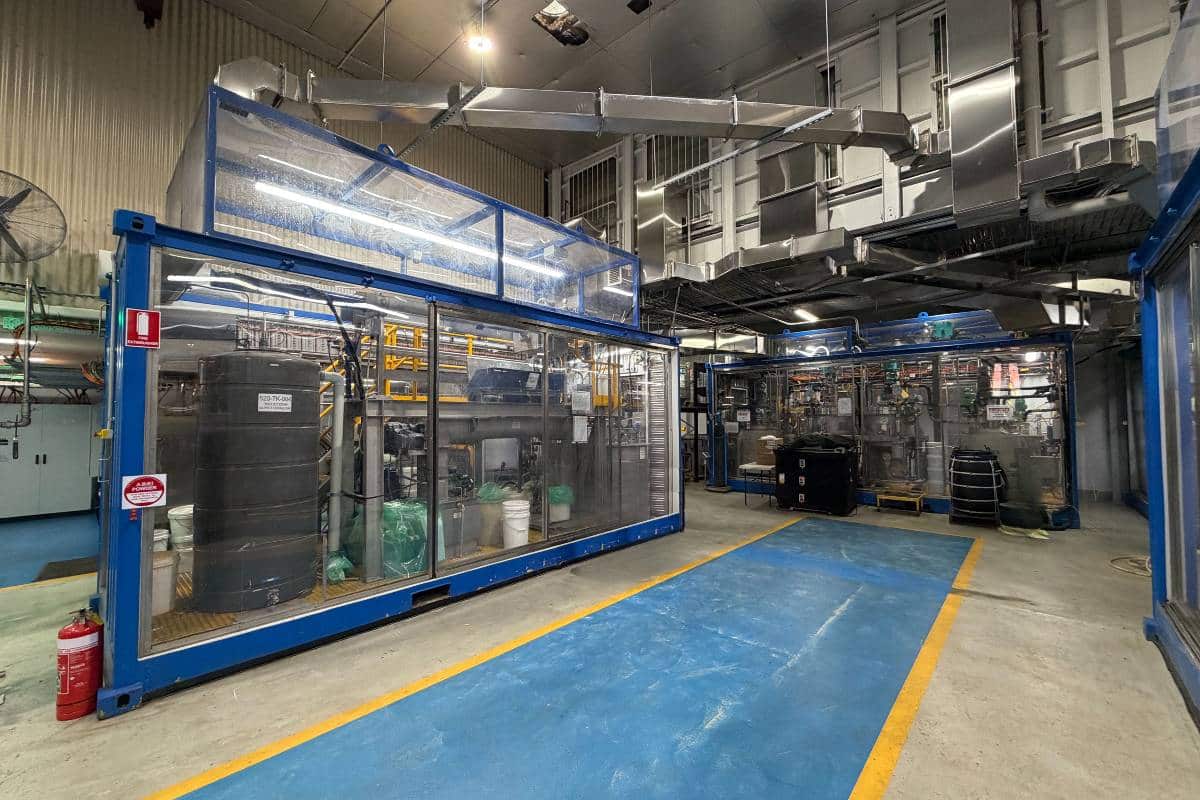
    Fortescue has sold more than 40 tonnes of copper concentrate treated with its patented Toowong Process, a low-temperature, low-pressure hydrometallurgical circuit that removes arsenic from copper concentrates. Developed and tested over four years after Fortescue acquired the technology, the process targets a longstanding penalty element constraint that limits saleability of high-arsenic ores. Commercial deployment could materially change project economics for arsenic-rich copper deposits, enabling miners to convert previously marginal or stranded resources into exportable concentrate streams.

    Core’s Finniss lithium: 92 m Blackbeard hit and what it means for mine design
    Mining
    about 11 hours ago

    Core’s Finniss lithium: 92 m Blackbeard hit and what it means for mine design

    Core Lithium has reported its longest mineralised downhole intersection at the Blackbeard prospect within the Finniss lithium operation in the Northern Territory, with diamond drillhole NMRD104 returning 92m at 1.25 per cent Li₂O, including 73m at 1.45 per cent Li₂O. The thick, continuous spodumene-bearing pegmatite materially extends known mineralisation at depth and along strike, improving the potential for larger, more coherent underground or bulk open-pit mine designs. For resource modellers and geotechs, the interval supports tighter geological domaining and may justify updated pit shells and geotechnical slope assessments.

    South32 Australian manganese output lift: throughput takeaways for mine planners
    Mining
    about 11 hours ago

    South32 Australian manganese output lift: throughput takeaways for mine planners

    South32 lifted Australia Manganese saleable output 15 per cent quarter-on-quarter to 902,000 wet metric tonnes in the September 2026 quarter, driven by higher utilisation of the primary processing circuit, while keeping full-year production guidance unchanged across its operations. Alumina production also increased, and the company is continuing capital deployment into base metals growth projects, including copper and zinc developments. For mine planners and process engineers, the numbers signal more stable plant throughput assumptions and sustained demand for processing circuit optimisation and debottlenecking work.

    Related Industries & Products

    Mining

    Geotechnical software solutions for mining operations including CMRR analysis, hydrogeological testing, and data management.

    CMRR-io

    Streamline coal mine roof stability assessments with our cloud-based CMRR software featuring automated calculations, multi-scenario analysis, and collaborative workflows.

    HYDROGEO-io

    Comprehensive hydrogeological testing platform for managing, analysing, and reporting on packer tests, lugeon values, and hydraulic conductivity assessments.

    GEODB-io

    Centralised geotechnical data management solution for storing, accessing, and analysing all your site investigation and material testing data.

    AllGeotechnicalInfrastructureHazardsEnvironmental