Alkane’s deeper gold at Peak Hill: geotechnical and mine planning takeaways
Reviewed by Tom Sullivan
First reported on Australian Mining
30 Second Briefing
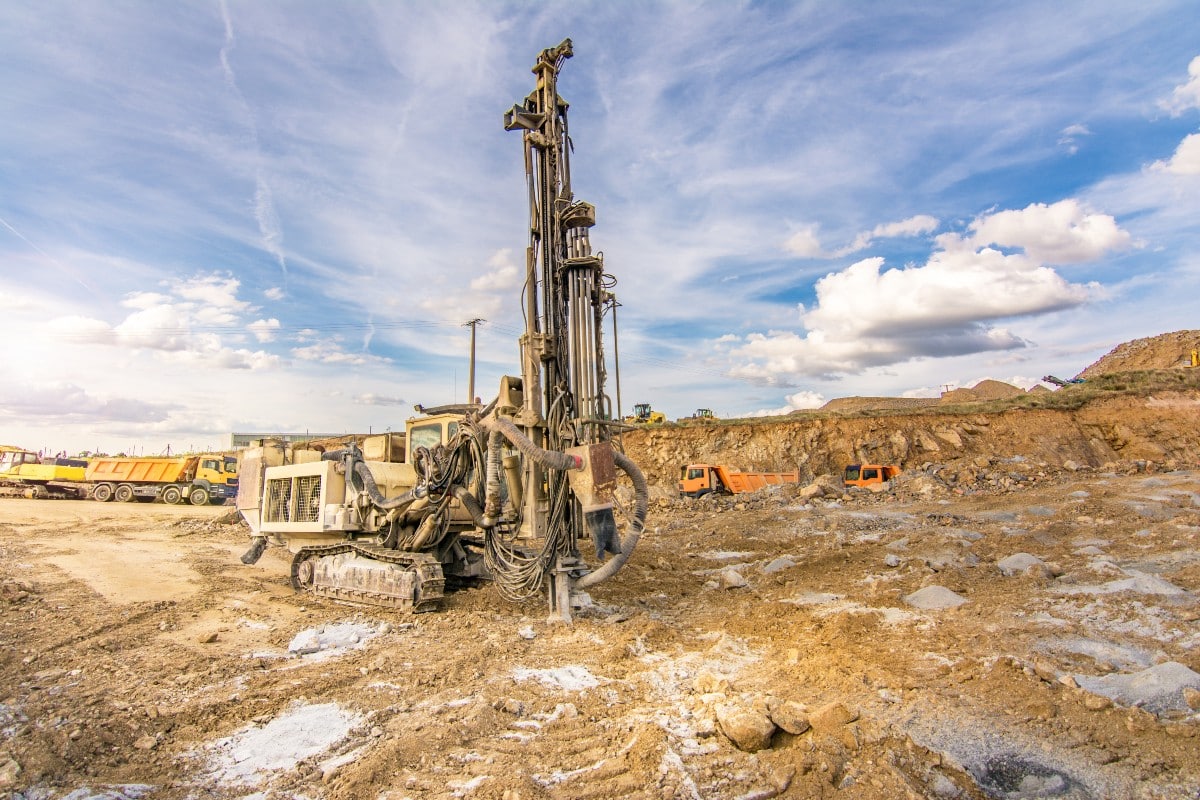
Alkane Resources has intersected gold–copper mineralisation about 1km below the former Proprietary open pit at Peak Hill, NSW, in 1651m diamond hole PHD084, which cut altered zones with low-grade mineralisation interpreted as a continuation of the Peak Hill epithermal system. The company is weighing a follow-up deep drilling campaign targeting this down-plunge potential beneath the historic open pit. For geotechnical and mine planners, any future underground concept will hinge on rock mass conditions at >1km depth and interaction with the existing pit wall and backfill.
Technical Brief
- Downhole geology shows broad alteration halos, suggesting a large fluid pathway rather than isolated pods.
- Epithermal system continuity at depth raises potential for porphyry-style roots with different rock mass behaviour.
- Any future underground access would need to negotiate legacy pit walls, ramps and possible backfill voids.
- Historic open pit disturbance likely complicates crown pillar design and long-term pit slope stability.
- Core from >1km depth offers new inputs for geotechnical domains, RMR/Q classification and seismic hazard assessment.
Our Take
Alkane Resources has been a frequent name in our Mining coverage, with other 2026 pieces showing it advancing gold, copper and rare earths prospects and posting record quarterly profit, which suggests the company has balance-sheet capacity to follow up deep drilling at Peak Hill if results justify it.
The 1 km‑deep gold–copper intercept beneath the Proprietary open pit fits a pattern in our database of Australian operators targeting deeper extensions below historic workings, similar to Alkane’s own drilling campaigns at Nagambie and Costerfield, where step‑out holes have been used to convert previously unmined ground into mineable inventory.
Within the 615 keyword‑matched gold and copper items in our database, New South Wales projects like Peak Hill and Hillgrove stand out for re‑examining historic districts, signalling that brownfields exploration in NSW is increasingly competing with greenfields plays for exploration capital.
Prepared by collating external sources, AI-assisted tools, and Geomechanics.io’s proprietary mining database, then reviewed for technical accuracy & edited by our geotechnical team.
Related Articles

Related Industries & Products
Mining
Geotechnical software solutions for mining operations including CMRR analysis, hydrogeological testing, and data management.
Tunnelling
Specialised solutions for tunnelling projects including grout mix design, hydrogeological analysis, and quality control.
CMRR-io
Streamline coal mine roof stability assessments with our cloud-based CMRR software featuring automated calculations, multi-scenario analysis, and collaborative workflows.
HYDROGEO-io
Comprehensive hydrogeological testing platform for managing, analysing, and reporting on packer tests, lugeon values, and hydraulic conductivity assessments.
GEODB-io
Centralised geotechnical data management solution for storing, accessing, and analysing all your site investigation and material testing data.